Written by Paul Worrall
I put off going to a life drawing class for years, convinced everyone else in the room would be a proper artist and I’d be the one embarrassing myself. When I finally went — genuinely nervous, sat at the back — it turned out half the room were beginners too, and nobody was paying the slightest bit of attention to anyone else’s paper. That first-time dread is probably the single biggest reason people never go, so I wanted to write this properly rather than just listing venues.
I’m Paul Worrall. I spent nearly a decade running digital marketing for ARTdiscount, one of the UK’s largest online art retailers, and I now run Discount Art Supplies — a price comparison platform used by over 41,000 UK artists every week. This isn’t a list of every studio in the country — it’s how to actually go about finding a genuine class near you, and what to expect once you’re there.
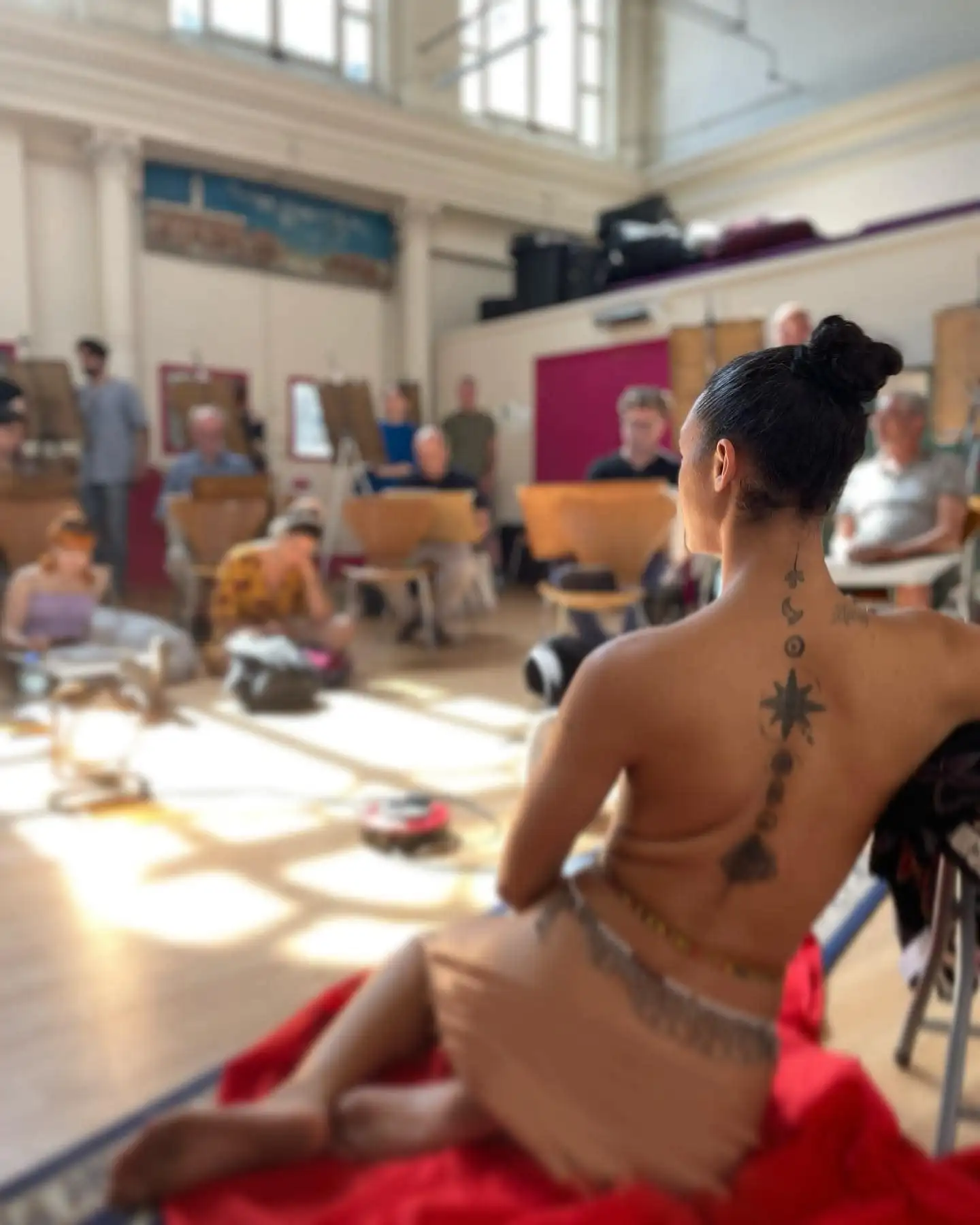
What Actually Happens at a Life Drawing Class
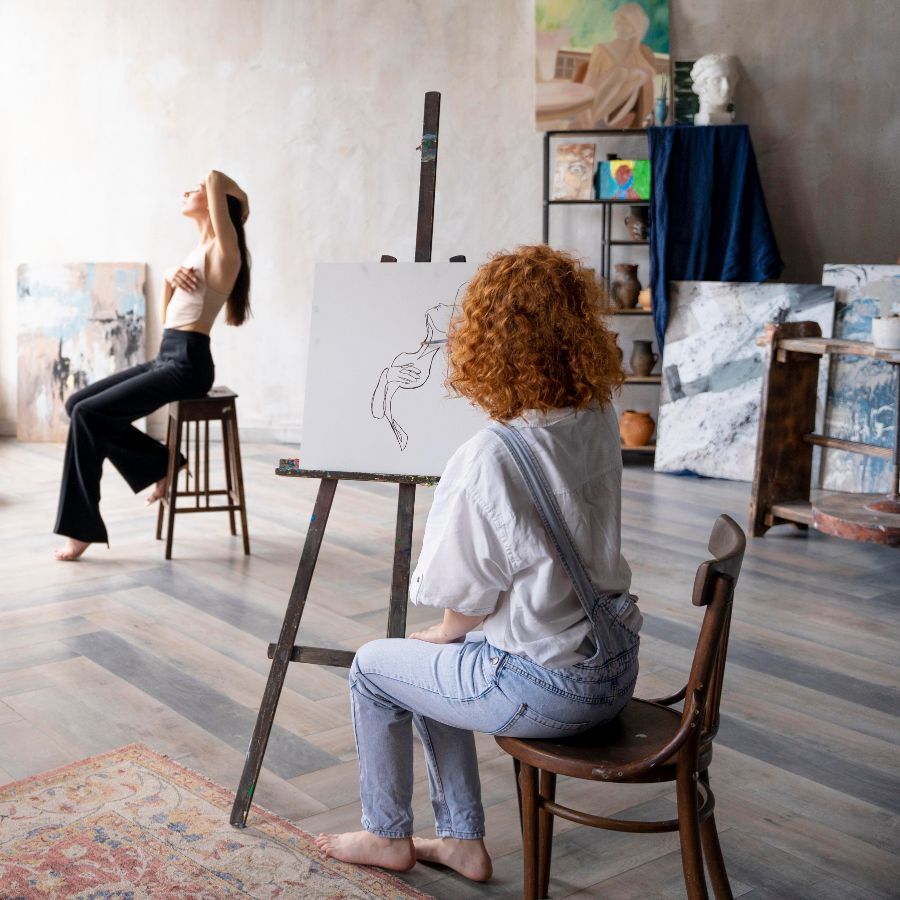
A model holds a series of poses — usually starting with short, quick warm-up poses of a minute or two, building up to longer poses of twenty minutes or more later in the session. You’re drawing what you see, at whatever skill level you’re at, with breaks between poses. Most sessions run for around two to three hours with a tutor or facilitator present, though the level of formal instruction varies a lot between a structured course and a relaxed drop-in session.
The nude figure is standard practice, and it’s handled entirely professionally by everyone in the room — models are there to be drawn, not looked at, and it’s treated with the same matter-of-fact seriousness as any other subject. Some sessions do use clothed or costumed models if that’s more comfortable for you, so it’s importent to check with the organiser beforehand if that’s a preference.
Where to Actually Find One
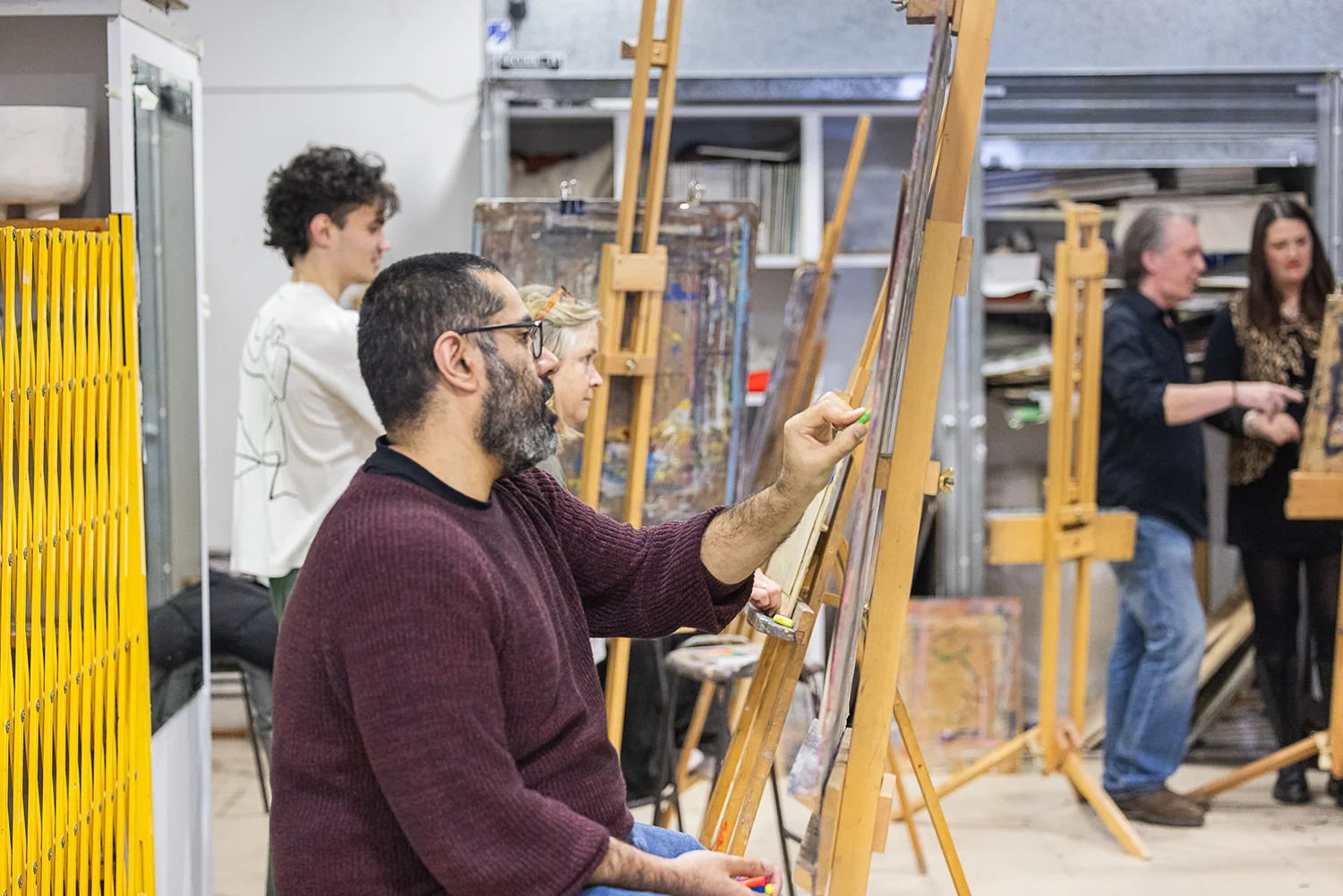
Meetup and Eventbrite are genuinely the most reliable starting points — search “life drawing” plus your town or city and you’ll almost always find a recurring local group, often meeting weekly or fortnightly in a pub function room, community hall or studio. These tend to be the most relaxed, sociable option and the easiest to just turn up to.
Council adult education services run structured life drawing courses in most UK cities, usually over a set number of weeks with proper tuition included, which is a genuinely good option if you want more formal guidance than a drop-in session offers.
Universities and art schools with a fine art department often run public or open-enrolment life drawing evenings alongside their student courses — worth checking directly with any art college near you, even if you’re not a student there.
Local art societies and art shops often either run their own sessions or know exactly who does in your area — it’s always worth asking directly if you’re struggling to find anything online, since a lot of smaller, informal groups don’t have much of a web presence at all.
Online life drawing sessions are a genuine, if different, option too — Draw Brighton is a well-established example, running both in-person classes and online sessions with reference material available afterward, which is worth knowing about if there’s genuinely nothing local to you.
A Note on London
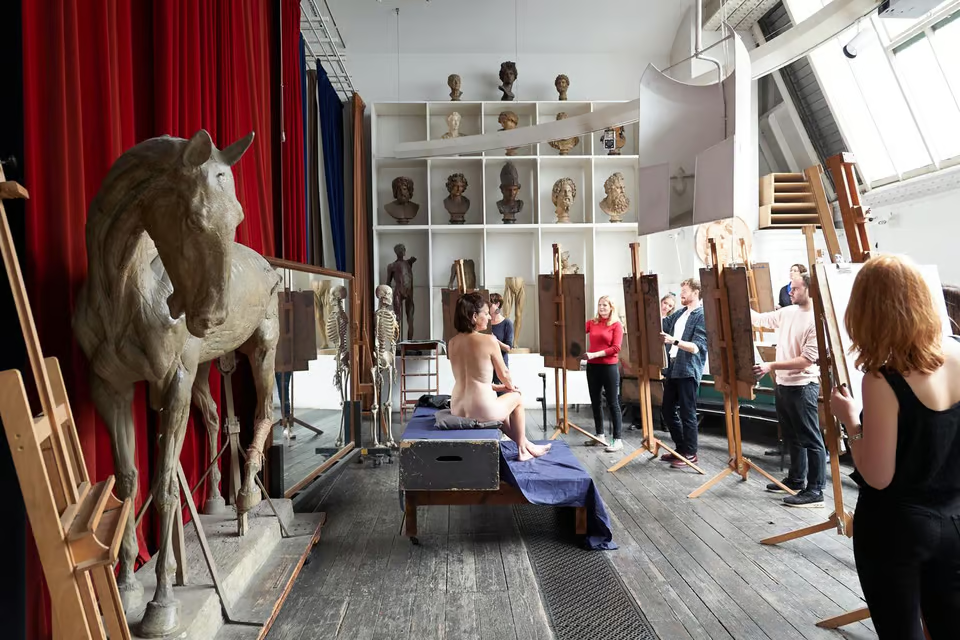
London genuinely has more choice than anywhere else in the UK, from structured courses at City Lit in Covent Garden to sessions run directly by the Royal Academy, alongside dozens of independent Meetup and Eventbrite groups across almost every borough. If you’re in or near the capital, you’ll consistantly have more options at more price points than most of the rest of the country, from free drop-in evenings to proper tutored courses.
What to Bring
A sketchbook or a stack of loose paper, a range of pencils or a stick of charcoal, and something firm to lean on — a drawing board or clipboard, since most venues don’t provide easels for a drop-in session. Many organisers do supply basic materials if you ask in advance, so it’s worth a quick message before turning up empty-handed. I’ve covered what’s actually worth buying in my Best Sketchbooks guide and Best Drawing Boards guide if you want to properly kit yourself out beforehand.
FAQ
Do I need to already be good at drawing to go to a life drawing class?
No. Most sessions welcome complete beginners alongside experienced artists, and nobody is looking over your shoulder judging the result. The point is practice, not performance.
Is life drawing always with a nude model?
Usually, yes, since the human form is the whole point of the practice, but it’s handled professionally and matter-of-factly by everyone in the room. Some sessions do use clothed or costumed models, so it’s worth checking with the organiser if you’d prefer that.
What should I bring to my first life drawing class?
A sketchbook or loose paper, a range of pencils or charcoal, and a drawing board or firm surface to lean on, since most venues don’t provide easels. Many sessions do supply materials if you ask in advance, so it’s worth checking beforehand.
Whatever you end up drawing with, it’s worth a quick check on sketchbook, pencil and charcoal prices before you buy — they vary more across UK retailers than people expect. At Discount Art Supplies we compare prices across all the major UK art retailers in real time, so you can find the best current deal before your first session.