Written by Paul Worrall
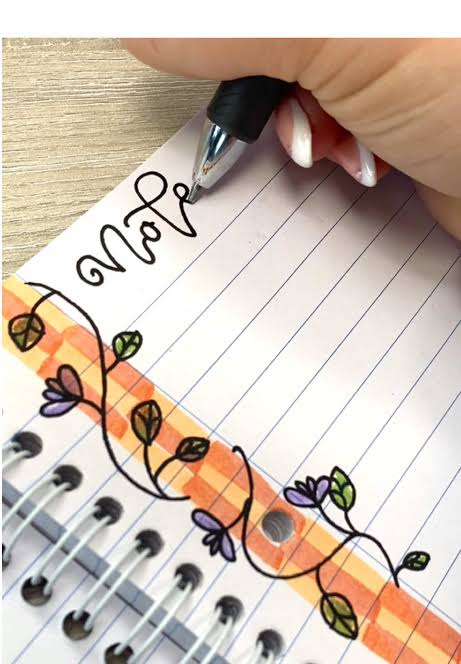
I doodle constantly during boring conference calls at my day job, and I’ve got notebooks going back years full of made-up creatures and odd little characters that exist purely because a meeting was dragging on. It’s genuinely one of the most useful drawing habits I’ve kept up, precisely because nothing about it matters — there’s no pressure, no finished piece to be proud of, just idle hands and a pen.
I’m Paul Worrall. I spent nearly a decade running digital marketing for ARTdiscount, one of the UK’s largest online art retailers, and I now run Discount Art Supplies — a price comparison platform used by over 41,000 UK artists every week. If you’ve read my Canvas Painting Ideas or Digital Art Ideas guides, this is the same spirit — genuinely low-pressure ideas — but focused specifically on doodling and inventing your own characters, which is a skill worth building entirely on its own terms.
1. A Made-Up Creature
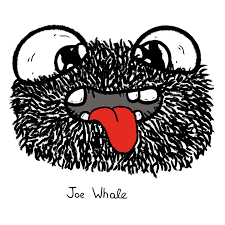
Combine two animals you’d never see together — a hedgehog with octopus legs, a cat with moth wings — and see what comes out. It sounds silly, but forcing two unrelated references together genuinely produces more original results than sitting down to “invent a creature” with a blank prompt.
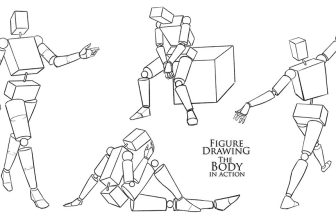
2. A Simple Robot Character
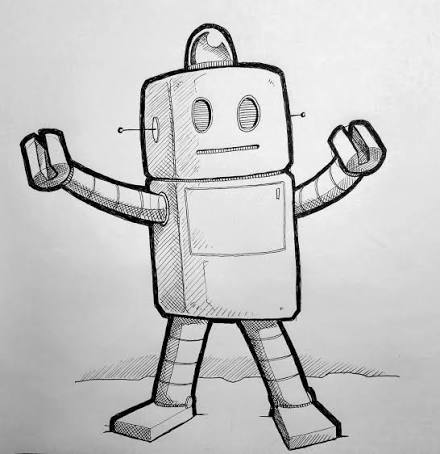
Robots are genuinely forgiving to design because there’s no anatomy to get wrong — just shapes bolted together. Give it a single defining feature, like an oversized head or tiny legs, and you’ll end up with something with actual personality despite taking almost no time to draw.
3. An Everyday Object With a Face
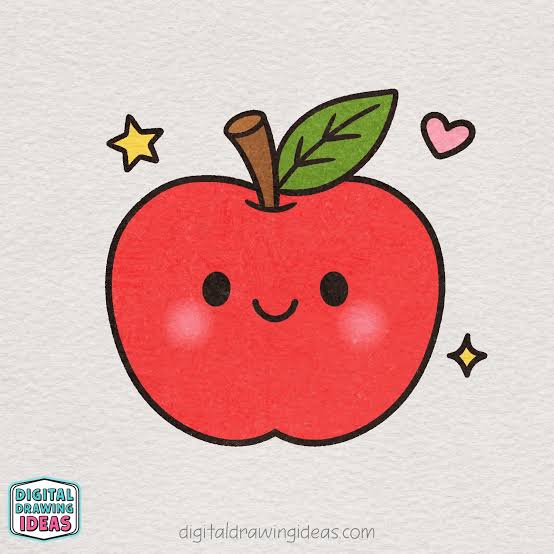
A teapot, a lamp, your own mug — add two eyes and a mouth and suddenly it’s a character. This is a genuinely good exercise in expression, since you’re working out how much personality you can convey with the smallest possible changes to a simple shape.
4. A Fantasy Creature Mashup
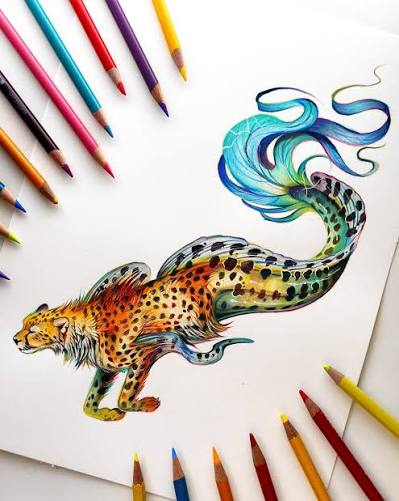
Take a familiar fantasy archetype — a dragon, a griffin — and deliberately push it somewhere unexpected. A tiny dragon the size of a mouse, a griffin made entirely of leaves and branches. Starting from something recognisable and then subverting it is a genuinely reliable way to land on something original.
5. A Cartoon Animal in a Costume
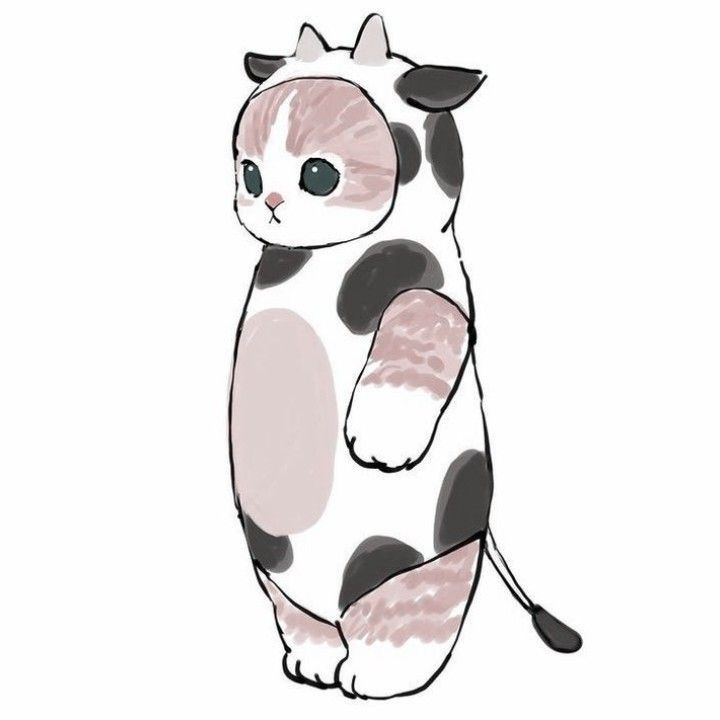
A fox in a detective coat, a badger in a spacesuit — dressing an animal in an unexpected outfit is an accessable way into character design, since the animal shape does most of the work and the costume is where the personality and story comes from.
6. A Margin Doodle Pattern
Small repeating shapes filling the margin of a page — spirals, leaves, tiny geometric patterns — is the classic “boring meeting” doodle for a reason. It keeps your hand moving and loose without demanding any real decision-making, which makes it a genuinely good warm-up before anything more considered.
7. An Original Superhero-Style Character
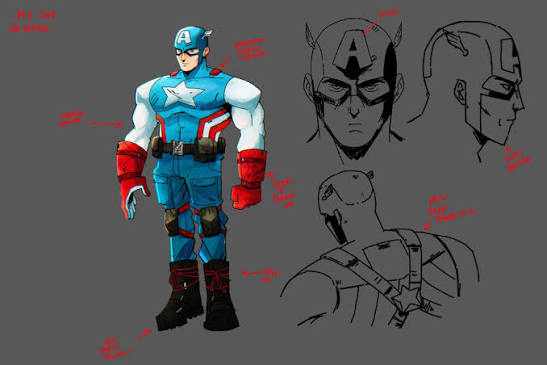
Not an existing character — your own, built from a simple power idea and a strong silhouette. A genuinely useful trick is designing the silhouette first, in solid black with no detail, and only adding features once the outline alone reads clearly. If the silhouette isn’t recognisable on its own, detail almost never fixes it.
8. An Original Anime-Style Character
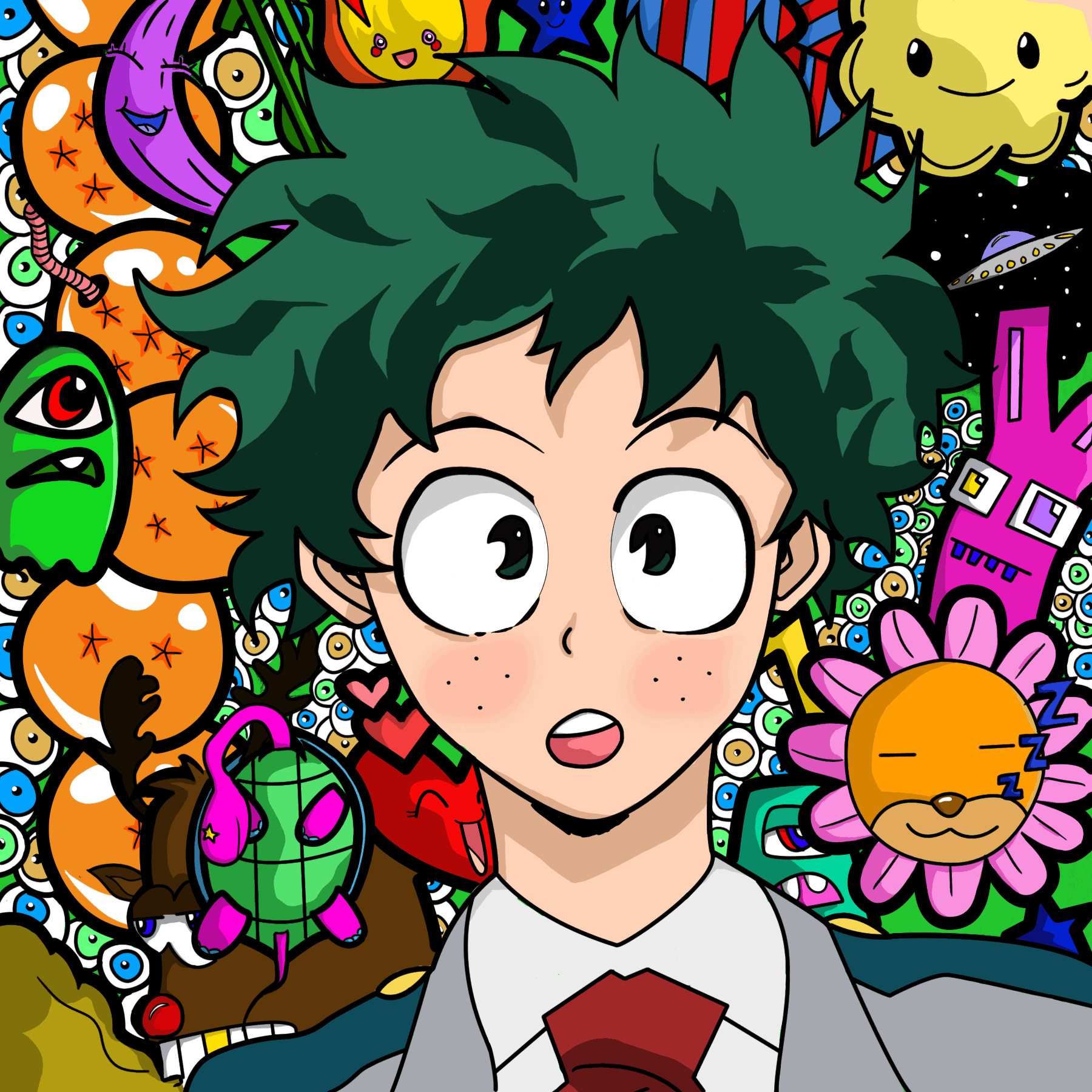
Working in an anime-influenced style with your own original design is a genuinely good way to practice stylised proportions and expressive faces without the pressure of full realism. Simplified eyes and exaggerated expressions are far more forgiving of imperfect line work than a realistic portrait would be.
9. A Tiny Repeating Pattern Filler
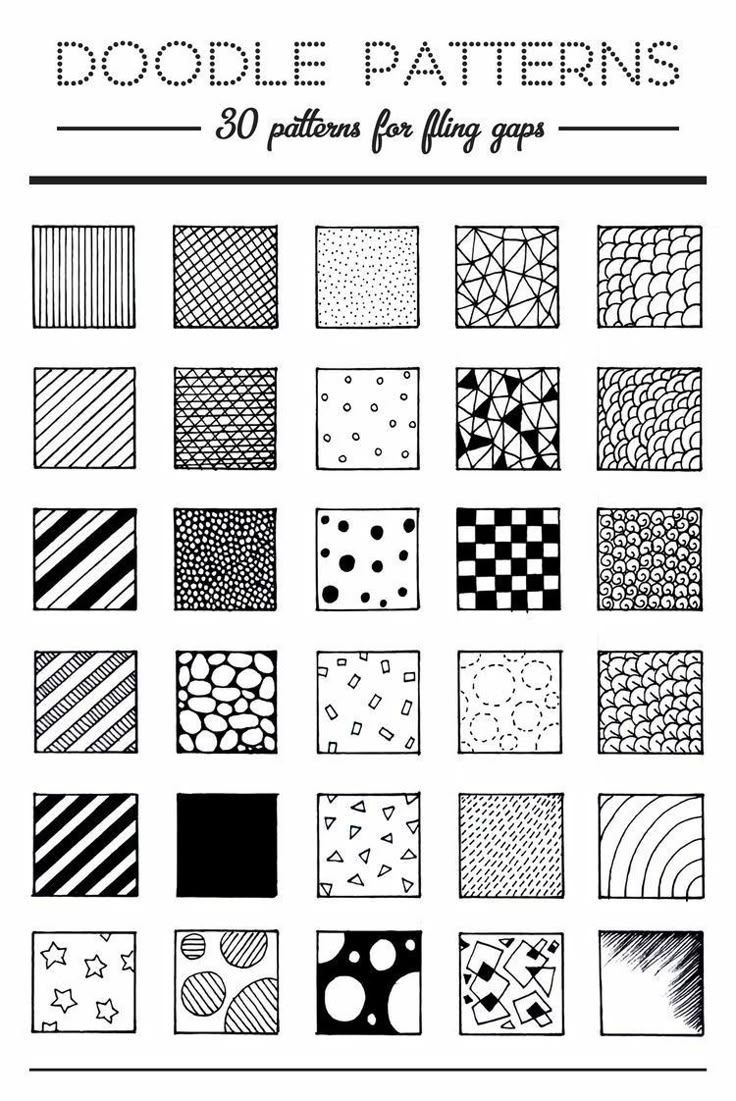
Similar to the margin doodle above but more deliberate — filling an entire page with small repeating motifs, mandala-style. It’s imposible to rush this one, which is precisely the point; it forces a slower, more meditative pace that’s genuinely different from most of the other ideas on this list.
10. A Cartoon Self-Portrait
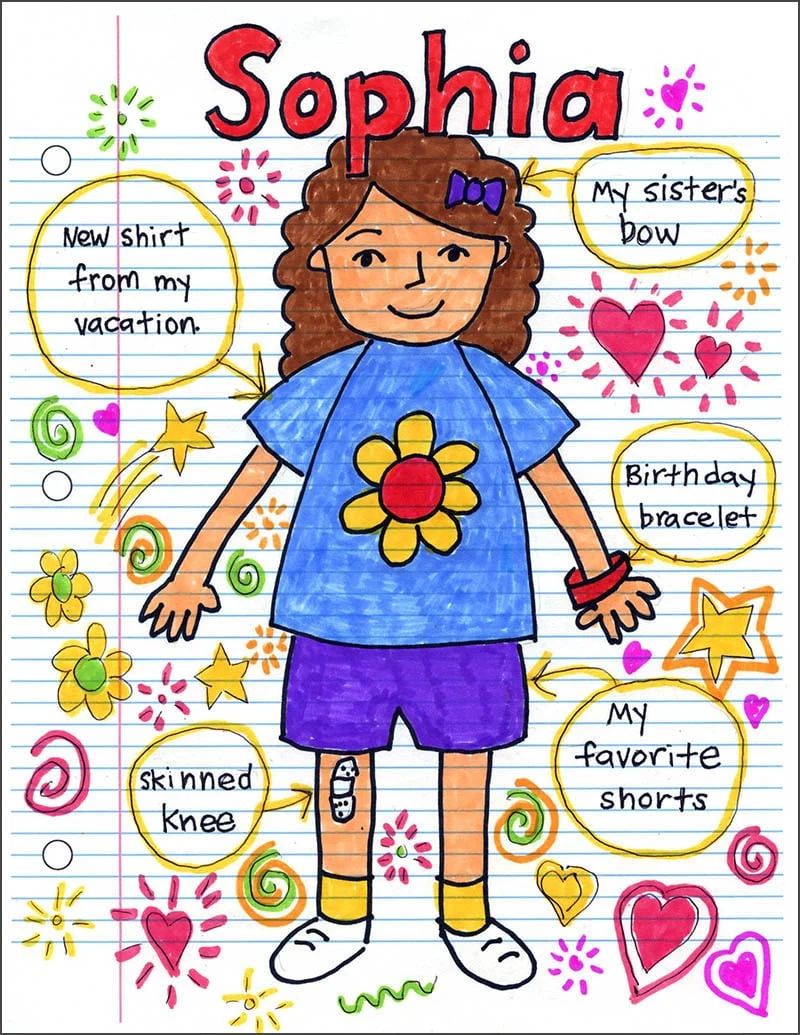
Exaggerate your own features into a simplified cartoon version of yourself. Nobody’s going to critique the accuracy, which makes it one of the lowest-pressure ways to practice caricature and expression at the same time.
Building the Habit
The thing that actually makes doodling useful isn’t any single idea above — it’s having a sketchbook or notebook genuinely within reach when the idle moment happens, rather than needing to sit down and decide to draw. Keep something small in a bag, by the sofa, on a desk. The doodles that recieve the least thought are usually the ones that end up the most interesting.
FAQ
Is doodling actually good practice for drawing?
Genuinely, yes. Doodling removes the pressure of a finished result, which makes it one of the easiest ways to build hand control and idea generation without the fear of getting something wrong.
How do I come up with my own original character designs?
Start by combining two unrelated things — an animal and an object, two different animals, a familiar shape with an unusual personality. Constraint genuinely sparks more original ideas than a blank “draw a character” prompt ever does.
What’s the best way to practice doodling regularly?
Keep a small sketchbook or notebook somewhere you’ll actually have it — a bag, a desk drawer, next to the sofa — and doodle in idle moments rather than treating it as a scheduled task. Little and often beats occasional long sessions.
Whatever you’re doodling with, it’s worth a quick check on sketchbook and pen prices before you buy — they vary more across UK retailers than people expect. At Discount Art Supplies we compare prices across all the major UK art retailers in real time, so you can find the best current deal before you buy.