Written by Paul Worrall
Oil paint is wonderful to work with and a pain to clean up. It won’t wash out with water, it lingers in the base of the bristles, and if you leave it a day too long it sets into a brush you’ll struggle to rescue. The good news is that cleaning oil paint brushes properly is quick once you have a routine, and you don’t have to fill your house with the smell of white spirit to do it.
This guide covers both the solvent method and the solvent-free method, so you can choose what suits you. If you paint with acrylic, watercolour or gouache, my guide on how to clean paint brushes covers those.
Oil Brush Cleaning Kit: Quick Picks
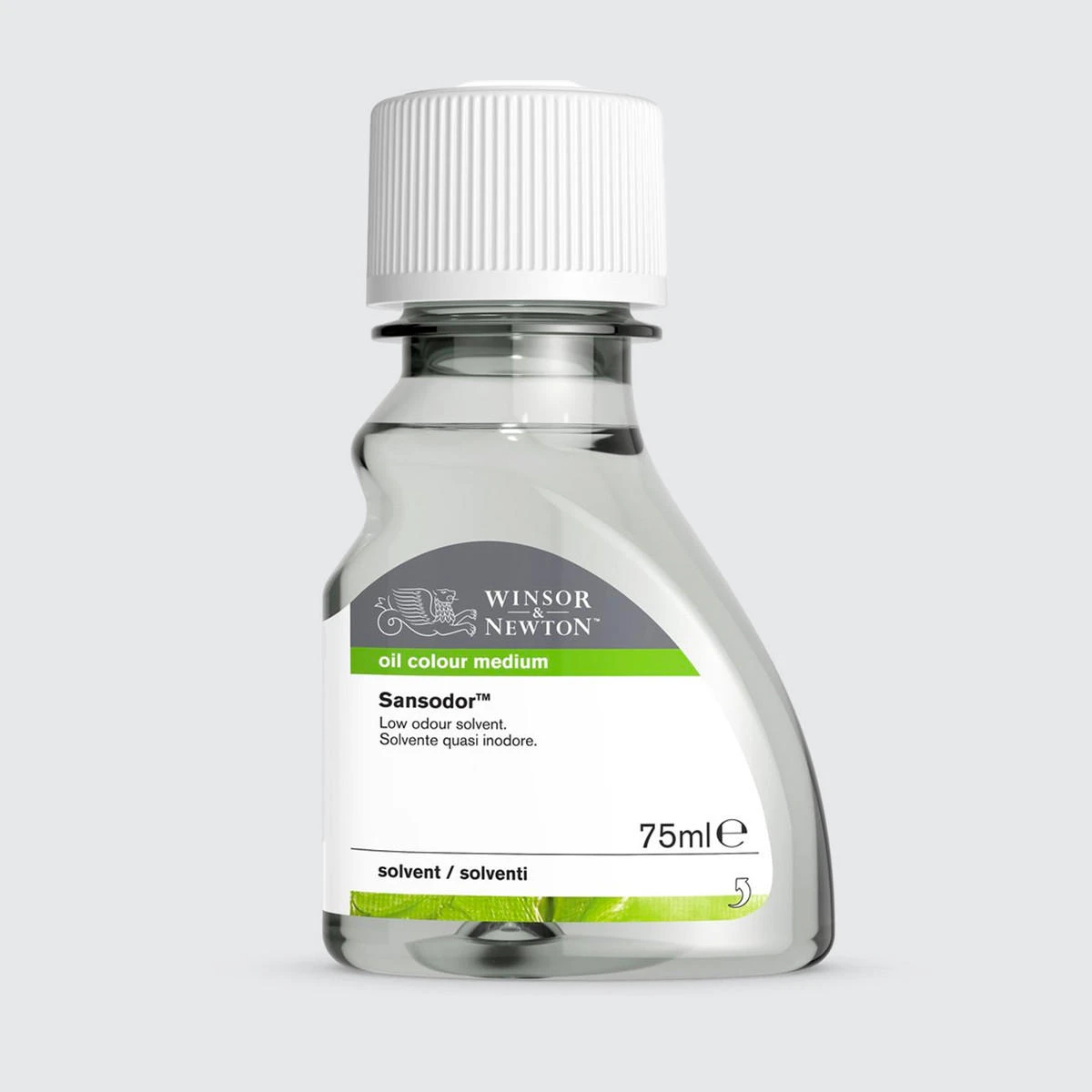
Best low-odour solvent: Winsor & Newton Sansodor
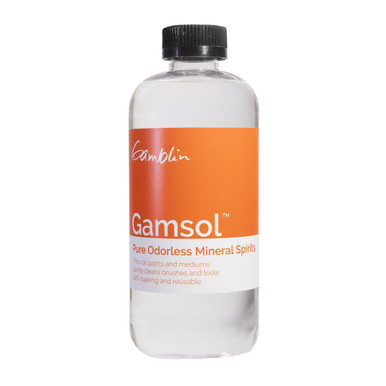
Best odourless mineral spirit: Gamblin Gamsol
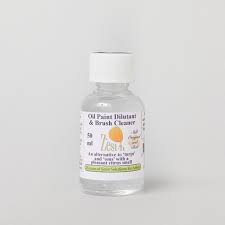
Best non-flammable alternative: Zest-it Oil Paint Dilutant & Brush Cleaner
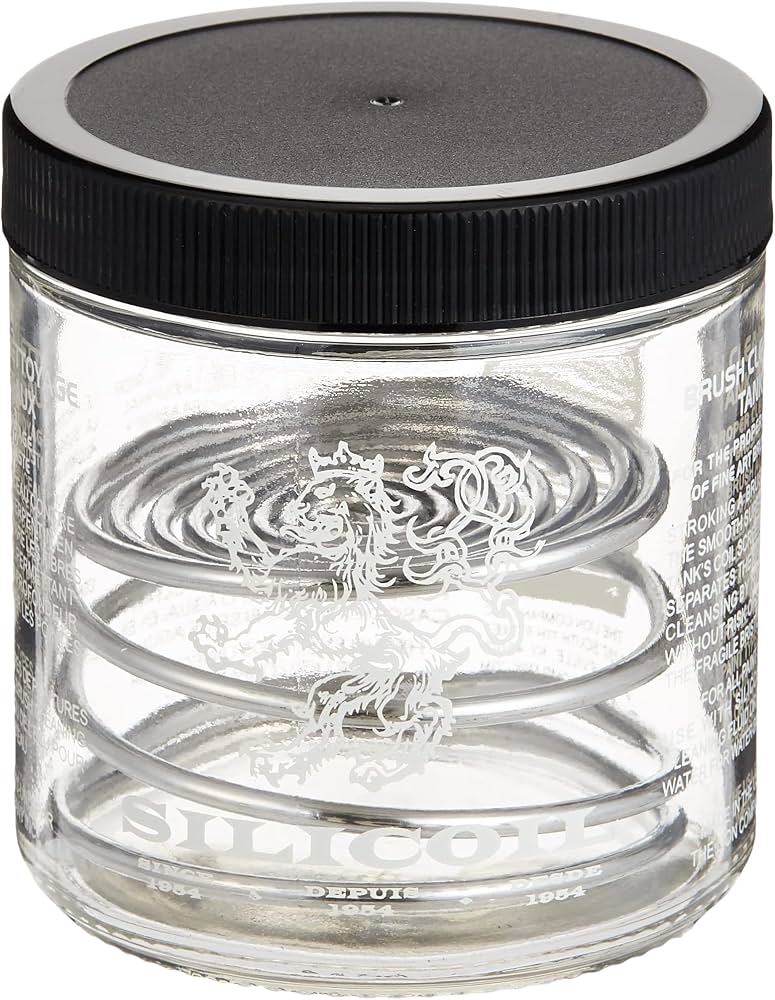
Best brush washer: Brush cleaning tank with coil
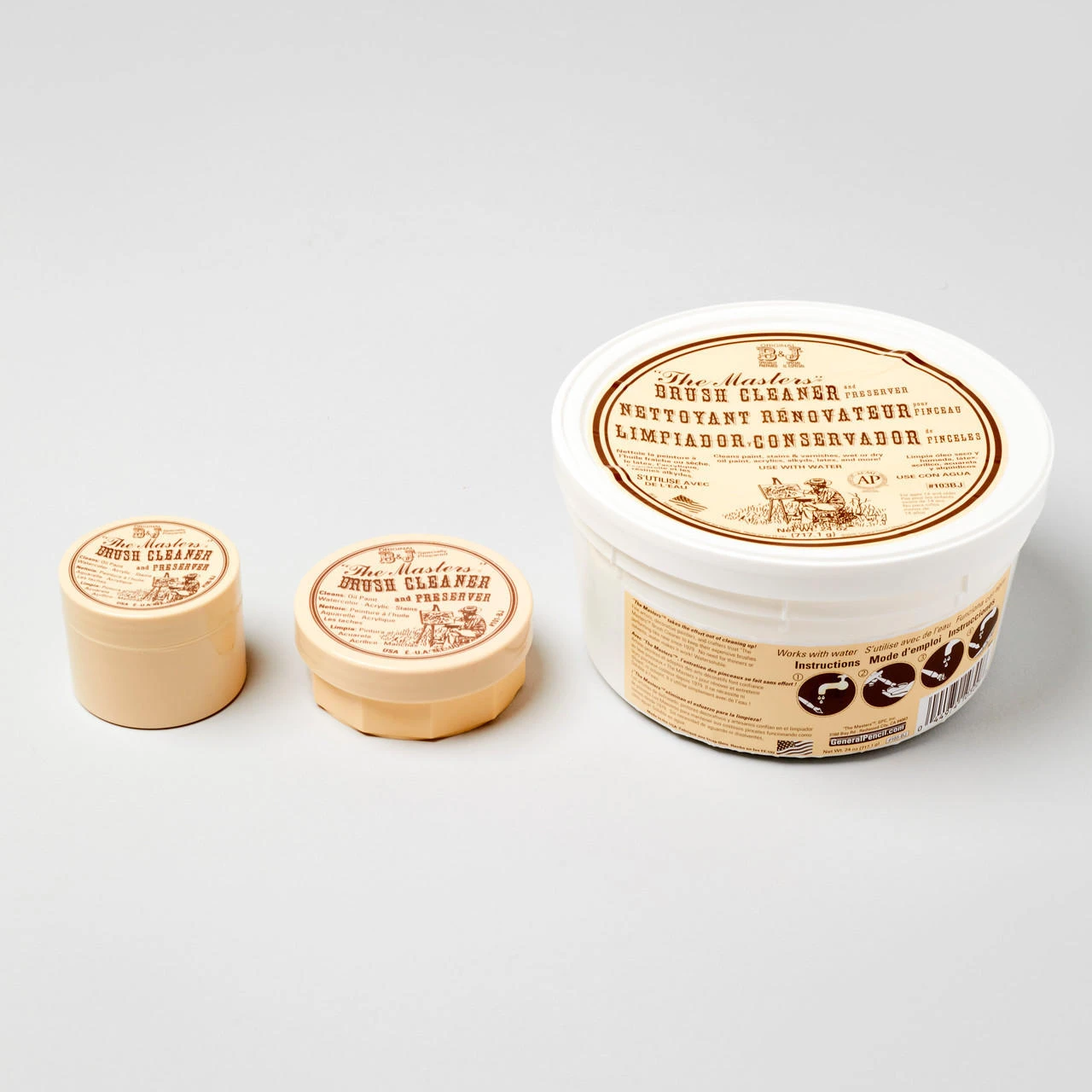
Best brush soap: The Masters Brush Cleaner and Preserver
Why Oil Paint Brushes Need a Different Method
Oil paint is pigment bound in oil, usually linseed, so water simply runs off it. To clean an oil brush you first have to dissolve or loosen the paint with something oil-friendly, either a solvent or more oil, and then wash out what’s left with soap and water. Skip the first stage and you’ll be scrubbing a brush under the tap for ages without getting anywhere. Water-based paints like acrylic and tempera are a different story, and I explain how tempera works in my tempera paint guide.
Oil paint also dries slowly, by reacting with the air rather than evaporating, so you have more time than with acrylic. That doesn’t mean you can leave brushes loaded overnight. Clean them at the end of every session. If you’re setting up to paint in oils for the first time, my guide to the best gesso primer covers whether acrylic gesso works under oil paint.
How to Clean Oil Paint Brushes With Solvent
This is the quickest method and the one most oil painters use.
1. Wipe off the excess. Squeeze and wipe as much paint as you can out of the bristles with a rag or kitchen roll. The more you remove now, the less solvent you use and the longer it stays clean.
2. Rinse in solvent. Swish the brush in a jar of low-odour solvent or odourless mineral spirit, working the bristles gently against the bottom or against a coil insert. Don’t jab the brush straight down, as that splays the bristles. Wipe it on a rag and repeat until very little colour comes out.
3. Wash with soap and water. Lather the bristles with brush soap or mild soap, work it gently into the base near the ferrule, and rinse. Repeat until the lather is clean. This removes the last of the paint and the solvent, so it doesn’t sit in the brush and dry out the bristles.
4. Reshape and dry. Squeeze out the water, reshape the head, and leave it to dry flat or standing upright with the bristles facing up.
Check price on AmazonCompare prices
White Spirit, Turpentine or Low-Odour Solvent?
You can clean oil paint brushes with white spirit, and plenty of people do, because it’s cheap and you can buy it at any DIY shop. The downside is the smell and the fumes, which are unpleasant in a small room or a house with kids in it. Traditional turpentine has the same problem, only stronger.
That’s why most artists now use a low-odour solvent. Winsor & Newton describe their Sansodor as performing like turpentine but with a low odour, and say art schools often allow it as the only solvent in their studios. Gamblin’s Gamsol is an odourless mineral spirit sold by UK art shops for the same jobs. Both still need a well-ventilated room, and low odour doesn’t mean harmless, so read the label and keep the lid on.
Check price on AmazonCompare prices
How to Clean Oil Paint Brushes Without White Spirit
If you want to avoid traditional solvents altogether, there are two good routes.
Zest-it. Zest-it Oil Paint Dilutant & Brush Cleaner is made from citrus and sold as a safer alternative to turps and white spirit. It’s non-flammable and biodegradable, and you use it in exactly the same way as a solvent: wipe, rinse in Zest-it, then wash with soap and water. It’s a British product and widely stocked, including at Cass Art.
Check price on AmazonCompare prices
Oil and soap. This is the fully solvent-free method, and Golden’s Just Paint site sets it out well. Wipe out the loose paint, then dip the brush in oil up to the ferrule and work it out on a paper towel, repeating with fresh towels until the oil comes out clear. During a painting session, use a drying oil such as linseed or safflower, so any oil left in the brush won’t upset your painting. At the end of the day you can use a cheap non-drying oil like vegetable oil. Then wash the brush with brush soap or mild soap and water, rinse until it runs clear, and reshape.
It’s slower than solvent, and strongly staining colours take more work to shift, but it’s the gentlest option for anyone sensitive to fumes or painting in a shared space.
How to Clean Oil Brushes Between Colours
You don’t need a full wash every time you change colour. Wipe the brush thoroughly on a rag, give it a quick swish in your solvent jar or oil, and wipe again. Many oil painters keep two jars: a dirty one for the first rinse and a cleaner one for the second. A brush cleaning tank with a coil insert in the base helps, as it lets you rub the bristles against the coil while the pigment sinks below it.
The simplest trick of all is to have more brushes on the go. Keeping separate brushes for lights and darks saves you a lot of cleaning in the middle of a painting.
Check price on AmazonCompare prices
The Final Wash: Brush Soap
Whichever method you use, finish with soap and water. A brush soap like The Masters Brush Cleaner and Preserver is made for this, lifting the last of the pigment and conditioning the bristles, and it’s sold by Cass Art and lots of other UK art shops. Mild hand soap works too. Work the lather into the base of the bristles, rinse, and repeat until it runs clean.
Check price on AmazonCompare prices
How to Clean Dried Oil Paint Brushes
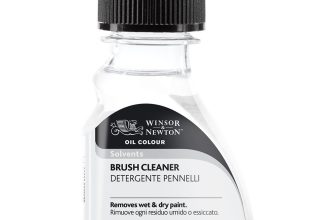
If oil paint has hardened in a brush, a normal solvent rinse won’t do much. Winsor & Newton’s Brush Cleaner & Restorer is sold for removing dried oil, alkyd and acrylic paint, and is a sensible first thing to try. Soak the bristles, keeping the cleaner off the handle, then wash with soap and water. Paint that’s only been dry for a day or two can usually be succesfully removed. A brush that’s been solid for months may never fully recover, so keep it for rough work and replace it. The same cleaner works on dried acrylic too, which I cover in more detail in my guide on how to clean paint brushes.
Check price on AmazonCompare prices
Disposing of Solvent and Oily Rags Safely
Never pour solvent or oily paint water down the sink. Gamblin’s studio safety advice is to let dirty solvent stand in a closed container so the pigment settles to the bottom, then pour the clear solvent off into a clean container and reuse it. When it no longer clears, the sludge needs to go to your local recycling centre, so check your council’s guidance on what they accept.
Oily rags are the one real danger in oil painting, and it’s worth taking seriously. Rags and paper towels soaked in linseed oil can heat up as they dry and spontaneously catch fire. Store them in a closed metal container, or soak them in water in a sealed bag, and get them out of the house rather than leaving a pile in the corner of the room.
Where to Buy Oil Brush Cleaners Cheapest
Solvents, Zest-it and brush soaps are sold at Cass Art, Jackson’s, Amazon and most UK art shops, and prices for the same bottle vary accross retailers more than you’d think, particularly on the larger sizes. Our solvent price comparison shows UK retailers side by side. Liquids are heavy, so check delivery costs before you buy. If your brushes are beyond saving, you can also compare prices on oil painting brushes.
Frequently Asked Questions
How do you clean oil paint brushes? Wipe off as much paint as possible, rinse the brush in a low-odour solvent or a cleaner like Zest-it, then wash with brush soap or mild soap and water until it runs clear. Reshape the bristles and let the brush dry.
Can you clean oil paint brushes with white spirit? Yes. White spirit removes oil paint from brushes, but it has a strong smell and fumes. Many artists prefer a low-odour solvent such as Winsor & Newton Sansodor or Gamblin Gamsol, used in a well-ventilated room.
How do you clean oil paint brushes without white spirit? Use a citrus-based cleaner such as Zest-it, or the oil-and-soap method: work the paint out with oil on paper towels, then wash the brush with soap and water.
How do you clean oil brushes between colours? Wipe the brush on a rag, rinse it briefly in solvent or oil, and wipe again. Keeping separate brushes for light and dark colours reduces how often you need to clean.
Can you pour solvent down the sink? No. Let used solvent settle in a closed container, pour off and reuse the clear solvent, and take the remaining sludge to your local recycling centre.
Clean oil brushes properly and they’ll last for years. And if you like to plan your compositions before you pick up a brush, my guide to the best sketching pencils is worth a look. When you do need new solvent, soap or brushes, check the prices first. We compare UK retailers so you can see who’s cheapest without opening ten tabs. If you’d like to hear about sales as they land, join the newsletter or our Facebook group of 15,000+ artists.