

- All
- Favorite
- Popular
- Most rated


Conté a Paris 12 Square Pastels Set – Mixed Colours, Pack of 1
Offers: 2
Conté à Paris Soft Pastels Set of 10 – Multicoloured
Offers: 5
Conté à Paris Portrait Pastel Pencils, Pack of 6, Multicoloured
Offers: 3

Conté à Paris 12 Pack Portrait Colour Crayons – Multicoloured
Offers: 3
Conté à Paris Sketch Set 750411 with 7 Colours & Accessories
Offers: 1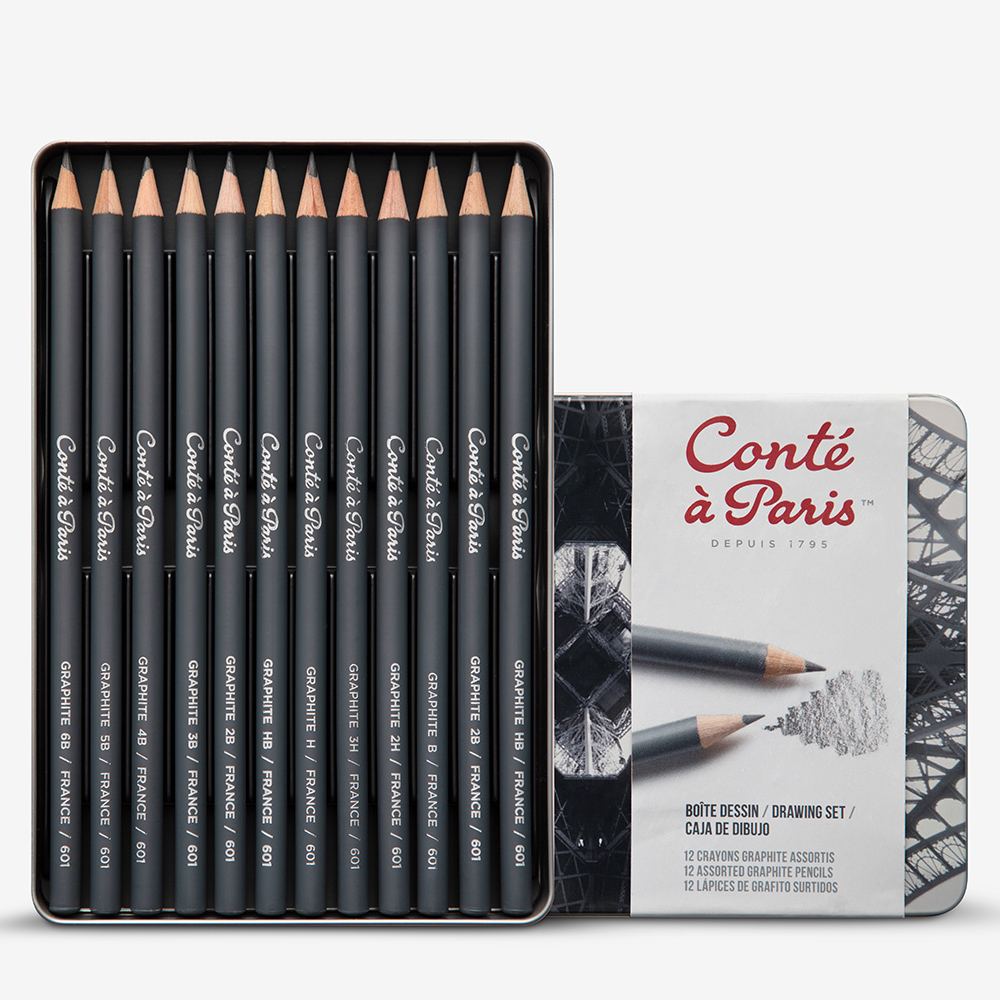
Conté a Paris Graphite Pencils Set of 12 – Pack of 1
Offers: 2
Conté à Paris Sanguine Sketching Crayons Pack of 12
Offers: 4
Conté à Paris Sketching Carre Crayons, Pack of 12, Black
Offers: 4
Conté à Paris Black Sketching Crayons Pack of 12
Offers: 3
Conté à Paris Landscape Pastel Pencil Set – Pack of 6
Offers: 4
Conté Carré 50247 Multicolour Pastel Chalks Set 1 Pack

Conté à Paris 18-Piece Sketching Pencil Set Model 50127
Offers: 5
Conte a Paris 48 Assorted Colour Crayons – Model 50134
Offers: 6
Conté à Paris Sketching Pencils 12 Count – Multicoloured
Offers: 2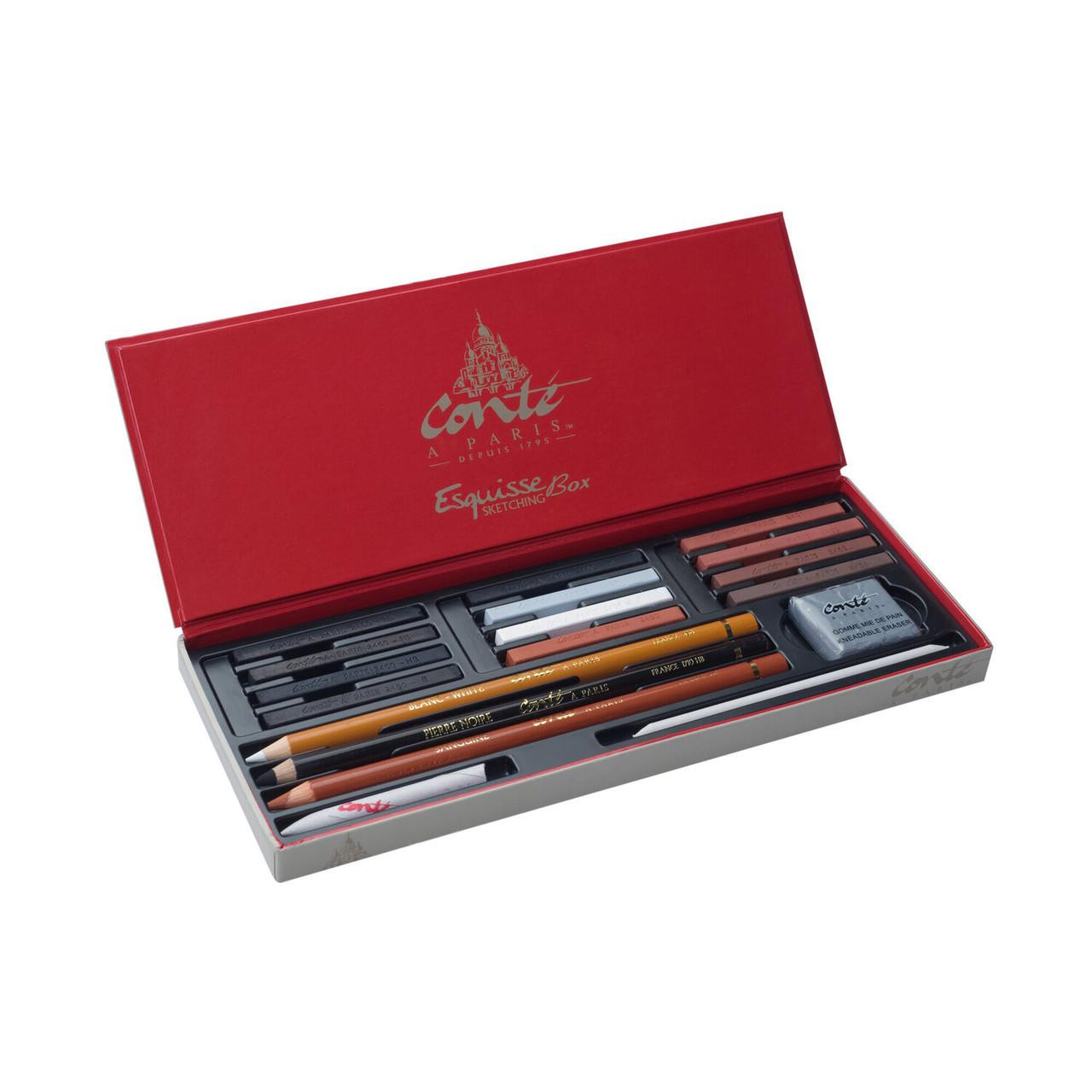
Conte a Paris Sketching Set – 12 Pastels & 3 Pencils
Offers: 3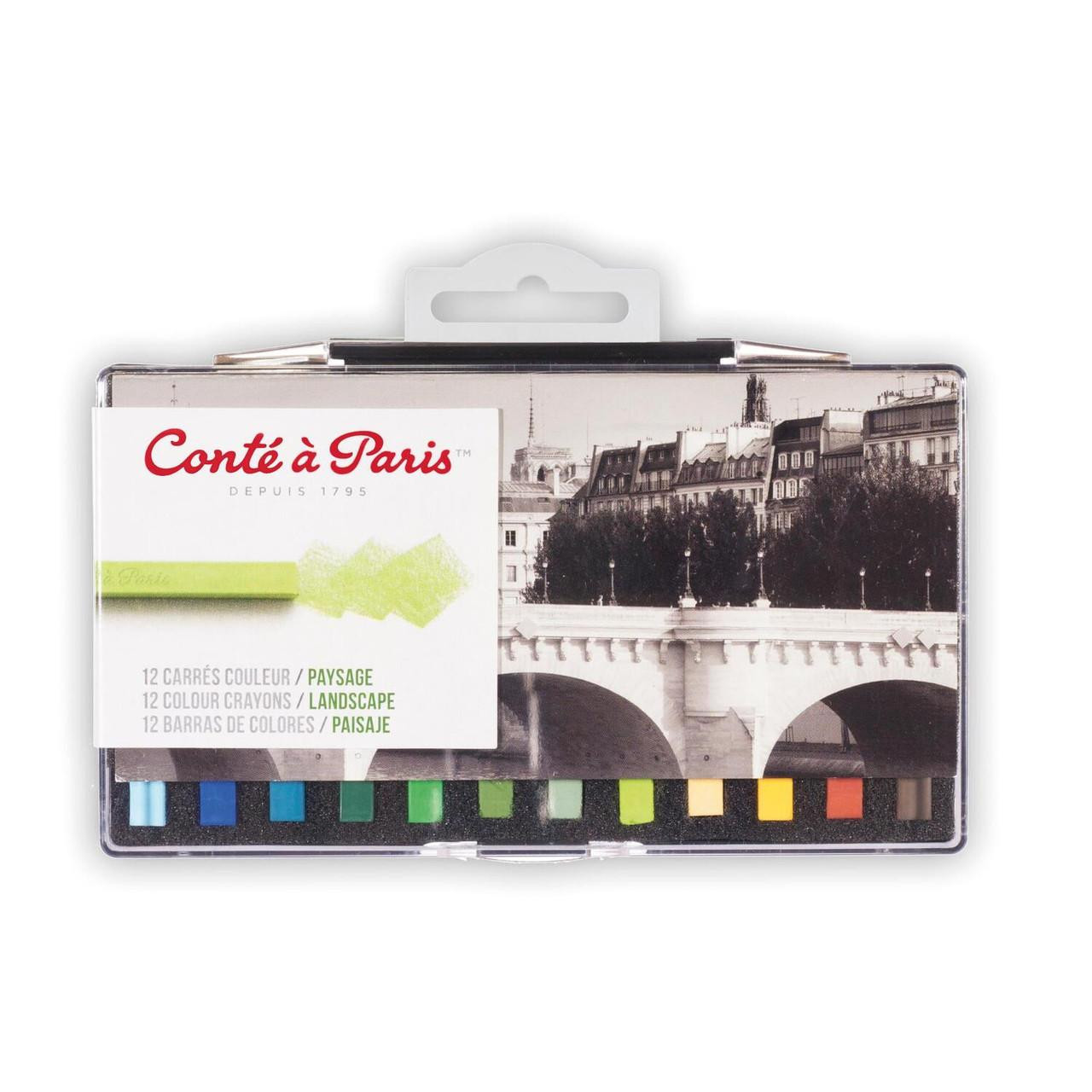
Conte a Paris Landscape Colour Carre Crayons – 12 High Intensity
Offers: 3
Conte a Paris 12-Colour Crayon Set – Wooden, 300g
Offers: 1
Conte a Paris Pierre Noire 15-Piece Pencil Set for Drawing
Offers: 1The Complete Guide to Conté à Paris Art Supplies — Plus How to Find the Best UK Deals and Discounts
There are very few art brands that can genuinely claim to have changed the course of art history. Conté à Paris is one of them. The story begins not with a manufacturer but with a scientist — and understanding that origin goes a long way to explaining why Conté à Paris products perform the way they do, and why artists have been reaching for them for over two centuries.
The Man Behind the Brand
Nicolas-Jacques Conté was born in Normandy in 1755 and became one of the most remarkable polymaths of the revolutionary era — a scientist, engineer, painter, and inventor who served as a senior advisor to Napoleon Bonaparte. In 1794, during the Revolutionary Wars, France found itself cut off from the Spanish and German graphite supplies it relied on for pencil production. Napoleon tasked Conté with solving the problem. Within a year, Conté had developed and patented a method of mixing graphite with clay and firing the mixture in a kiln — producing a pencil lead that could be made from inferior graphite, adjusted in hardness by varying the clay content, and manufactured domestically. The modern pencil as we know it today is essentially his invention.
In 1795 Conté founded the company that still bears his name. The brand has changed hands several times over two centuries and is now part of the Hamelin Group — which also owns Canson — but the products themselves have remained remarkably faithful to the principles Conté established. The crayons and compressed sticks that carry his name today are made using processes directly descended from his original methods.
The artistic legacy is equally impressive. Georges Seurat used Conté crayons extensively for his preparatory drawings — the soft, chalky texture and subtle tonal range suited his pointillist sensitivity perfectly. Henri de Toulouse-Lautrec was another devoted user. When the greatest draughtsmen of the nineteenth century consistently reach for the same product, it tells you something about what that product is capable of.
The Conté à Paris Range — What's Available and What It's For
Conté à Paris produces a focused range of dry drawing materials — this is not a brand that makes everything. What it does make, it does exceptionally well.
Conté à Paris Crayons
The signature product and the one most artists associate with the brand. Conté crayons are square-sectioned sticks made from a compressed mixture of pigment, graphite, and clay — producing a drawing material that sits somewhere between chalk pastel and compressed charcoal in its working properties. They can be used on their edge for broad tonal work, on their corner for fine line detail, and blended with a finger or stump for smooth tonal gradations.
Available in the traditional four colours — black, white, sanguine (a warm red-brown), and bistre (a cooler brown) — as well as an expanded range of earth tones and greys. The traditional four-colour palette is historically significant — these are the colours used by Renaissance and Baroque draughtsmen for three-colour drawing on toned paper, and the techniques developed over those centuries translate directly to Conté crayons today.
The crayons are available individually and in sets. The Classic Portrait Set — containing sanguine, bistre, black, and white — is the most popular starting point and one of the best introductions to tonal drawing available at any price point.
Conté à Paris Compressed Charcoal
Compressed charcoal sticks and pencils made from finely ground charcoal compressed with a binder — producing a darker, denser mark than traditional vine charcoal and significantly more resistant to smudging. Conté compressed charcoal is used for figure drawing, portraiture, and any application where the artist wants the expressive quality of charcoal with more permanence and control.
Available in sticks in various grades from soft to hard, and in pencil form for more controlled, detailed work. The pencil format in particular is popular with life drawing artists who want the tonal range of charcoal with the handling precision of a pencil.
Conté à Paris Pastel Pencils
A range of 48 pastel pencils covering a well-considered colour palette suited to portrait, landscape, and still life work. Conté pastel pencils are softer than most coloured pencils but firmer than stick pastels — offering a middle ground that many artists find ideal for detailed pastel work where a stick would be too imprecise. Popular with portrait artists and botanical illustrators who want the colour richness of pastel with more directional control.
The 48-colour range is smaller than Faber-Castell or Derwent's pastel pencil offerings but the colour selection is well-judged — particularly strong in skin tones, earth colours, and neutral greys that suit the traditional drawing subjects Conté à Paris is associated with.
Conté à Paris Sketching Pencils
A range of traditional graphite pencils covering standard grades, plus the distinctive Conté à Paris sketching pencils in grades optimised for expressive drawing rather than technical precision. Less widely known than the crayons and charcoal but genuinely good pencils from a manufacturer that understands drawing materials at a deep level.
Conté à Paris Soft Pastels
A range of soft pastels produced to the same exacting pigment standards as the rest of the Conté à Paris range. Not as widely distributed in the UK as the crayons and charcoal, but worth seeking out for artists who want pastel sticks with the same colour philosophy and pigment quality as the broader Conté à Paris range.
Working With Conté à Paris Materials
Understanding how Conté materials work helps you get the most from them — and helps you understand why they behave differently from other drawing materials you may have used.
Surface choice matters enormously. Conté crayons and compressed charcoal work best on papers with some tooth — smooth papers don't grip the pigment effectively. Canson Mi-Teintes, Clairefontaine Pastelmat, and toned drawing papers are all well-suited. For traditional three-colour drawing, a mid-tone paper — warm grey, cream, or terracotta — allows both the dark and light crayons to read effectively.
Fixative is your friend — and your enemy. Conté materials smudge, which is both their great strength (easy blending) and their great weakness (fragile finished drawings). Fixing the work in stages — fixing early layers before adding detail — gives you more control than trying to fix a completed drawing in one go. Over-fixing can deaden the surface and reduce the luminosity of the marks, so use fixative sparingly.
The traditional palette is traditional for a reason. The combination of sanguine, bistre, black, and white on a mid-tone paper produces a tonal range and warmth that has proved remarkably enduring. If you haven't tried three-colour drawing on toned paper with Conté crayons — it's one of the most satisfying drawing experiences available and requires very little equipment to produce genuinely impressive results.
How to Get the Best Conté à Paris Deals and Discounts in the UK
Conté à Paris products are stocked by a moderate number of UK art retailers, and as with most specialist drawing materials, prices vary enough to make comparison worthwhile.
Use a price comparison tool first — this page aggregates live pricing from UK stockists so the best current deal is immediately visible.
Sets represent better value than individual sticks — the Classic Portrait Set and larger assortment sets almost always work out cheaper per stick than buying individually. If you're new to the brand, a set is both the more economical and more informative way to start.
Watch for sale events on sets — Conté à Paris sets appear in seasonal sale promotions at UK art retailers, particularly around Black Friday and January. Given how long the materials last — a set of Conté crayons used thoughtfully will last a working artist months — buying on sale and stocking up makes practical sense.
Check discount codes before checkout — we list verified active codes for UK art retailers on this site. General retailer codes routinely apply to the full Conté à Paris range.
Is Conté à Paris Worth It?
For anyone serious about drawing — particularly tonal drawing, figure work, portraiture, or any discipline rooted in the traditional drawing methods — yes, without question. The crayons and compressed charcoal are genuinely among the finest drawing materials available, with a working quality that cheaper alternatives don't replicate. The price point is accessible — this isn't an expensive brand in the way that Caran d'Ache is expensive — which makes the quality-to-cost ratio one of the best in the dry media market.
For beginners curious about tonal drawing, the Classic Portrait Set is one of the best-value entry points into serious drawing materials available. Four crayons, a sheet of toned paper, and thirty minutes following along with any decent drawing tutorial — and most people are immediately hooked.
Frequently Asked Questions About Conté à Paris
What is the difference between Conté crayons and pastels? Conté crayons are harder and more compressed than soft pastels, with a clay binder that gives them more structural integrity and slightly less blendability. They produce a more precise, controllable mark than soft pastels and are more resistant to smudging, though they still require fixative for finished work. Soft pastels are softer, more blendable, and available in a much broader colour range.
Can Conté crayons be used with other media? Yes — Conté crayons work well alongside charcoal, graphite, and pastel pencils. The traditional combination of sanguine, bistre, black, and white crayons on toned paper is itself a multi-media approach. Conté materials are generally compatible with other dry drawing media on the same surface.
Do Conté à Paris products need to be fixed? Yes — like all dry drawing materials, Conté crayons and compressed charcoal are susceptible to smudging and should be fixed with a drawing fixative for finished work. Fix in stages rather than all at once for best results.
Who invented the Conté crayon? Nicolas-Jacques Conté developed the compressed graphite and clay mixture that led to modern pencils and Conté crayons in 1794-1795, under commission from Napoleon Bonaparte during the Revolutionary Wars when France was cut off from foreign graphite supplies.
Where can I buy Conté à Paris products in the UK? Conté à Paris is stocked by Cass Art, Jacksons Art Supplies, Amazon UK, and specialist art retailers. Use the comparison tool on this page to find the best current UK deal before you buy.