
Written by Paul Worrall
My own degree is in contemporary music, not art, so I never sat through a formal life drawing class — but nearly a decade at ARTdiscount surrounded by working illustrators and art tutors taught me more about how people actually learn to draw than I ever expected to pick up. The one thing that came up constantly, from complete beginners to people who’d been drawing for decades, is that most people skip the boring fundamentals and go straight for detail, which is precisely backwards.
I’m Paul Worrall. I spent nearly a decade running digital marketing for ARTdiscount, one of the UK’s largest online art retailers, and I now run Discount Art Supplies — a price comparison platform used by over 41,000 UK artists every week. This isn’t a technique masterclass — it’s the honest starting point I wish someone had laid out plainly before I watched so many customers over the years buy expensive materials and then stall on the fundamentals underneath them.
Figure Drawing: Start With Gesture, Not Detail
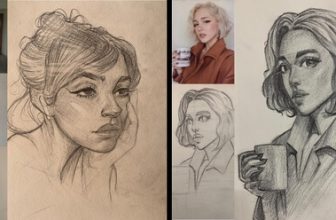
The single biggest mistake beginners make with figure drawing is trying to render detail — fingers, folds of clothing, facial features — before they’ve captured the pose itself. Gesture drawing flips that entirely: quick, loose lines capturing the line of action and weight of a pose in under a minute, with detail deliberately left out. It feels wrong at first because the results look scrappy, but it’s building the skill that actually matters most — reading how a body is balanced and moving.
A genuinely useful habit is timed gesture sessions — 30 seconds to 2 minutes per pose, working through as many as you can in a sitting rather than labouring over one. Reference photo sites and figure drawing apps with a built-in timer make this consistantly easier to stick to than working from a single static reference for too long.
Anatomy: Simplify Before You Detail

Anatomy scares beginners off more than almost anything else in drawing, mostly because it’s usually taught the wrong way round — muscle names and origins before basic form. The genuinely useful starting point is thinking in simplified shapes: the ribcage and pelvis as two rough blocks connected by a spine, limbs as simple cylinders, joints as spheres. Get comfortable placing those shapes correctly before worrying about a single named muscle.
It’s importent to say this doesn’t need to be learned in isolation from figure drawing — the two feed into each other. Once basic gesture and proportion feel natural, anatomy knowledge starts making your figures read as solid and weighted rather than flat, which is usually the point people notice their drawing genuinely levelling up.
How to Draw a Head: Proportion First
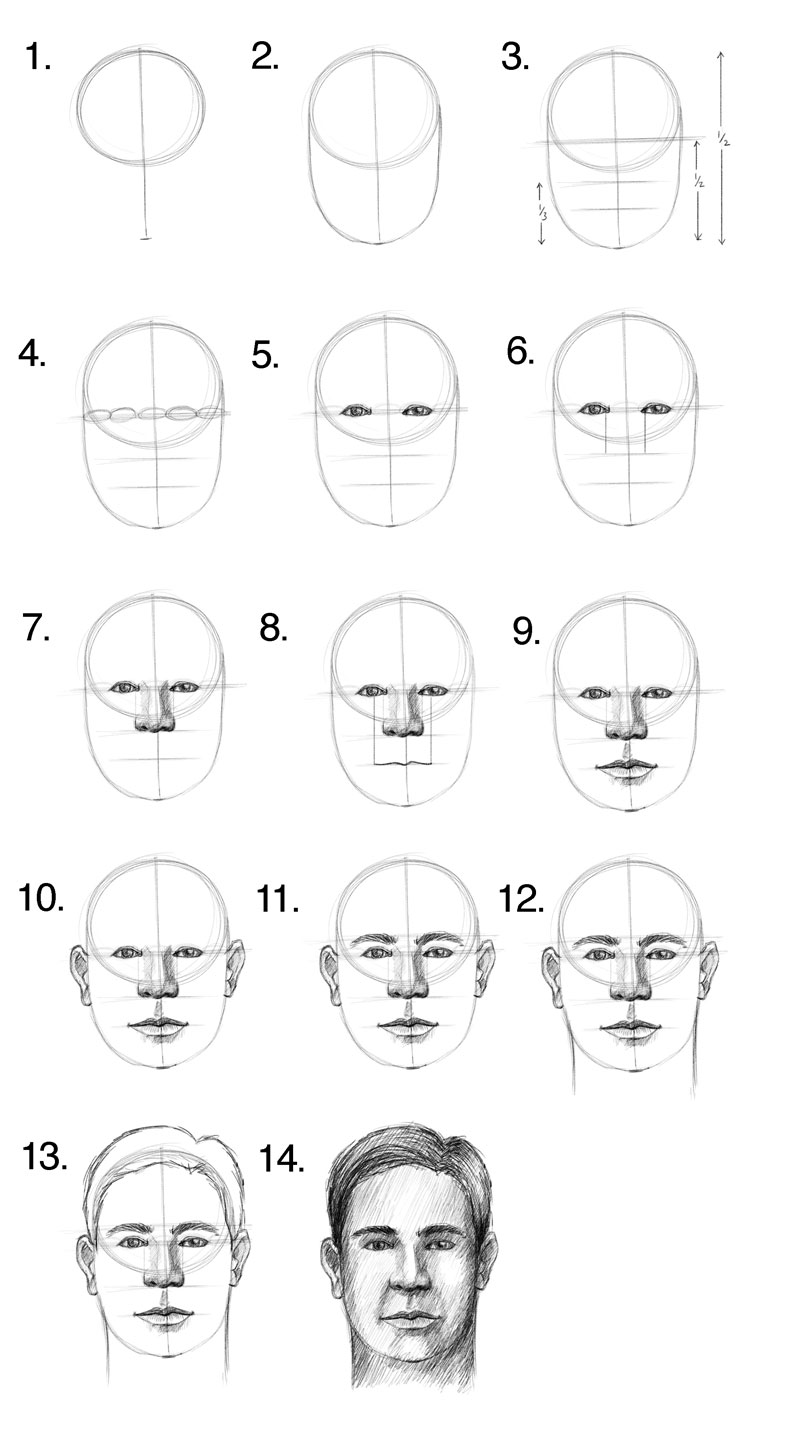
Heads trip beginners up because the temptation is to draw the features first — eyes, nose, mouth — rather than establishing the actual proportions of the skull they sit on. A genuinely useful starting rule: eyes sit roughly halfway down the head, not two-thirds up where most beginners instinctively place them. Starting with a simple oval and a centre line for symmetry, then blocking in where the brow, nose base and chin actually fall, solves the vast majority of “why does this look wrong” moments before a single feature gets drawn.
Practicing heads from multiple angles — not just straight-on — is genuinely more useful early on than perfecting one angle, since it forces you to understand the head as a three-dimensional form rather than memorising a flat template.
How to Sketch: Building the Habit
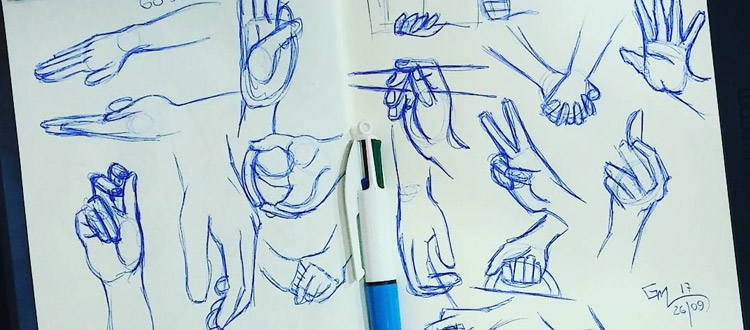
Sketching is really just permission to draw badly on purpose, and it’s the habit underneath everything above. A daily or near-daily sketchbook practice — even five or ten minutes of loose, unpressured drawing — builds the hand-eye coordination that formal practice alone never quite reaches, because it removes the pressure of a finished result. Draw whatever’s in front of you: a coffee cup, your own hand, the view out a window. The subject matters far less than the consistency.
A decent, portable sketchbook makes this habit genuinely easier to stick to than a full canvas or a big pad you’re reluctant to carry around — I’ve gone into what’s actually worth buying in my Best Sketchbooks UK guide, and a decent graded pencil set matters more here than people expect.
A Simple Starter Routine
If you only take one thing from this, it’s this rough weekly structure: a few short gesture sessions from reference photos, one or two head-proportion studies, and daily loose sketching of whatever’s around you. None of this needs to take more than 20-30 minutes a day, and the improvement over a few consistant months genuinely surprises most people who stick with it. Progress in drawing is rarely dramatic day to day — it’s recieved almost entirely in hindsight, looking back at work from a few months earlier.
FAQ
Do I need to learn anatomy before I can draw people well?
Not fully, and not first. Basic proportion and gesture will get you further than detailed muscle anatomy in the early stages. Anatomy knowledge becomes more useful once you’re already comfortable capturing pose and proportion.
How often should a beginner practice figure drawing?
Short, frequent sessions beat occasional long ones. Fifteen to twenty minutes most days builds the muscle memory needed for gesture drawing far faster than a single two-hour session once a week.
What’s the difference between sketching and drawing?
Sketching is generally quicker, looser and more exploratory, used to capture an idea or pose without worrying about a finished result. Drawing usually implies more time and intention toward a completed piece.
Whatever you’re practising with, it’s worth checking prices on sketchbooks, pencils and drawing materials before you buy — they vary more across UK retailers than most people expect. At Discount Art Supplies we compare prices across all the major UK art retailers in real time, so you can find the best current deal before you buy.