Written by Paul Worrall
Most artists accumulate more supplies than they’ll ever use. I know this better than most — sixteen years in the art supplies industry, nearly a decade of that running digital marketing for ARTdiscount, one of the UK’s largest online art retailers, and I still somehow end up with paint tubes I bought in a moment of optimism, paper pads I started and abandoned, and brushes picked up at trade shows that turned out not to be quite right. My wife has stopped commenting on the corner of our spare room in Poulton-le-Fylde that’s quietly become an overflow stock room. The kids have started helping themselves, which at least moves things along.
The point is…art supplies accumulate. And before any of it ends up in a bin bag, there are people and organisations across the UK who genuinely need what you no longer want. I’ve been watching this industry for a long time, and I run Discount Art Supplies — a price comparison and deals platform used by over 36,000 artists and crafters every week across all our channels. I’ve seen a huge amount of perfectly usable art material go to waste over the years when it could have gone somewhere brilliant instead. Here’s the complete guide to where you can donate art supplies in the UK — every option I know of, explained properly so you can find the right fit for what you have.
UK Scrap Stores — The Best Place to Start
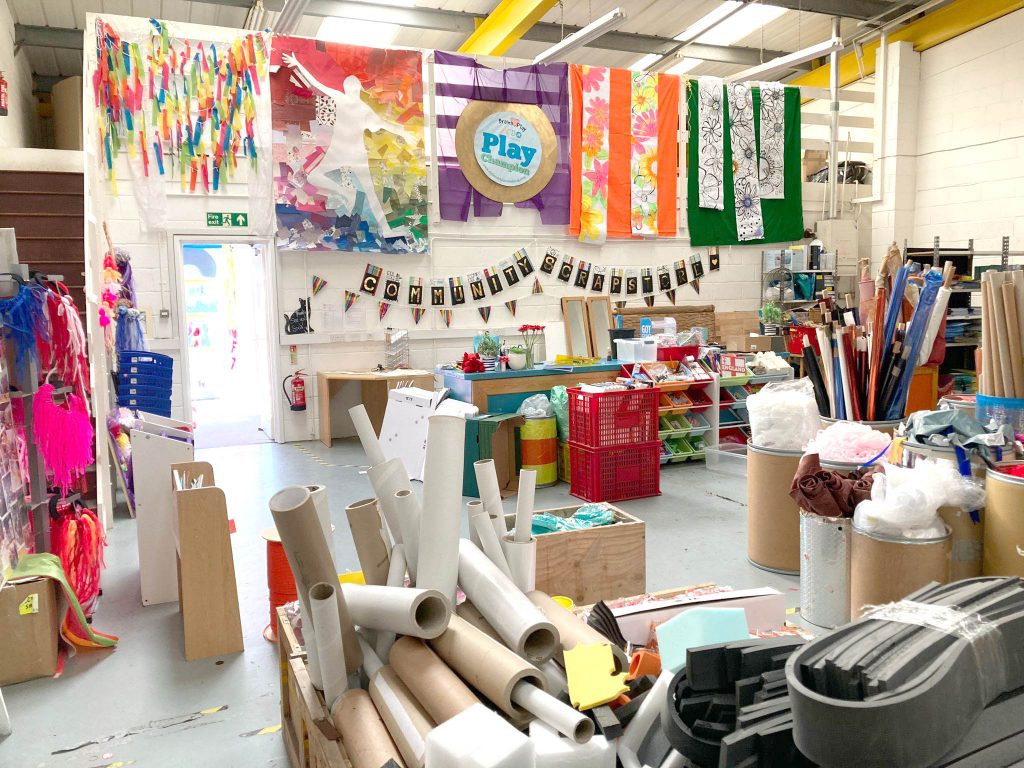
If you’ve never heard of a scrap store, you’re about to discover something genuinely brilliant. Scrap stores are not-for-profit organisations that collect clean, reusable materials — including art and craft supplies — and redistribute them to schools, community groups, charities and individuals at minimal cost. There are around 120 of them operating across the UK, coordinated through a national network called Reuseful UK, and between them they divert enormous quantities of perfectly usable material from landfill every year. I genuinely think more people should know they exist.
The Reuseful UK directory at reusefuluk.org lets you search for your nearest scrap store by location — most major towns and cities have at least one. What they accept varies by store and by what they currently have space for, so it’s always worth contacting your local scrapstore before turning up with a carful of supplies. Most accept paints (unused or lightly used), paper and card, brushes, canvases, tools and general craft materials.
A few worth knowing by name: Children’s Scrapstore in Bristol is one of the best established. Zigzag Scrapstore is another excellent one with a genuinely impressive range of accepted materials. Scrapbox and Work and Play Scrapstore are both active and worth checking. And Crow Recycling in Coventry runs a scrapstore alongside regular community craft workshops that are subsidised to just £5 a session — the kind of community resource that deserves proper support. Your unwanted art materials become someone else’s creative raw material. It’s the most satisfying form of donation I can think of for this stuff.
Schools, Nurseries and Youth Groups

This one is so obvious it almost doesn’t need saying — but it’s also the most consistently underused option because people assume schools have everything they need. They absolutely do not. My two kids are at school in Poulton right now and I know exactly what a primary school art cupboard looks like — a few dried-out poster paints, some overworked brushes and a stack of sugar paper. Art budgets in UK primaries are under constant pressure, and a donation of decent brushes, unused acrylic paints, sketchbooks or coloured pencils is something that most art teachers would be genuinely delighted to recieve.
Secondary schools with art departments are also well worth contacting, particularly if you have more specialist materials — watercolours, inks, good quality paper — that might be more relevant to older students working towards GCSEs and A Levels. The same applies to nurseries, Brownies and Guides, Scouts, and local youth clubs. These organisations run craft activities regularly on tiny budgets. A bag of usable art supplies dropped off at your local pack will be used within a week. It’s the most local and immediate form of donation on this list — no postage, no registration, no paperwork. Just a phone call ahead to make sure they can take what you have.
made4aid — Donate Supplies to Raise Money for Charity

made4aid is a registered UK non-profit that raises money for Médecins Sans Frontières by selling donated handmade art and craft items — and also accepts donations of art and craft supplies to sell online for the same purpose. If your supplies are in good condition and you’d like your donation to generate actual charitable funds rather than just go to a new home, made4aid is a genuinely worthwhile route. They operate primarily through their Etsy shop and social channels. Contact them directly through made4aid.org to arrange what they can accept before sending anything.
It’s a slightly different model to a scrap store — the supplies aren’t going directly to another artist or community group, they’re being sold to fund international medical aid — but for anyone who wants their donation to have a charitible financial impact as well as a material one, made4aid is well worth knowing about. The 36,000 artists in our community are exactly the kind of people who’d appreciate this as an option.
SDX Art Bank — If You’re in Scotland
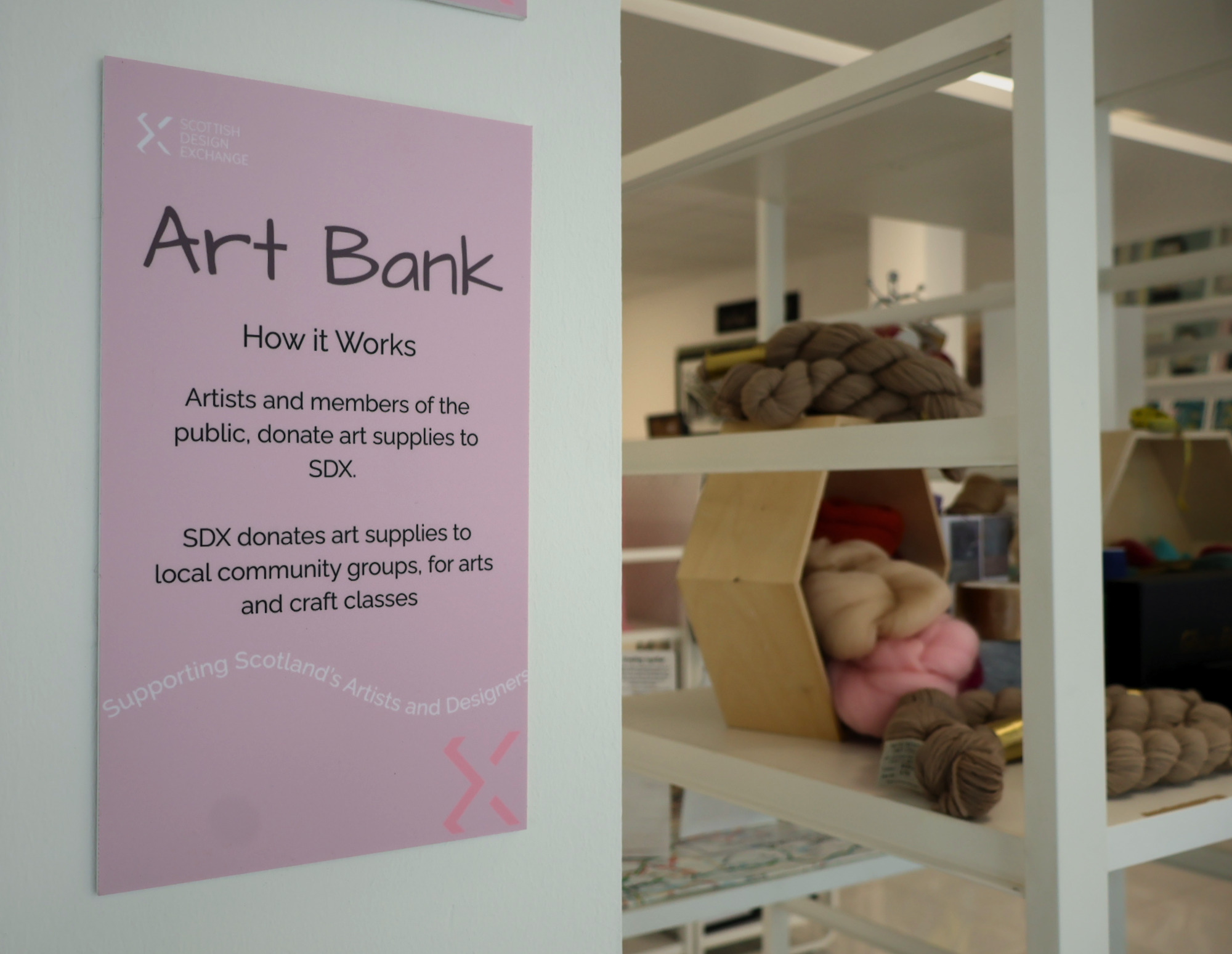
The Scottish Design Exchange Art Bank collects art supplies of all varieties at their Edinburgh and Glasgow shops — paper, paints, pens, textiles, tools and more — and distributes them to artists and organisations most in need across Scotland. If you’re based north of the border and have supplies to donate, SDX is a well-organised and genuinely impactful option. Drop donations at either their Edinburgh or Glasgow stores, or contact them at [email protected] or [email protected] if you have a larger quantity and want to arrange things in advance.
SDX as an organisation does a lot beyond the Art Bank — they’re a social enterprise supporting independent designers and makers across Scotland — so donating to them connects your supplies to a broader creative ecosystem rather than just a single recipient. Worth supporting.
School Aid — for Stationery and Basic Art Supplies
School Aid accepts recycled stationery and basic art materials and distributes them to under-resourced schools and communities in Lesotho, Malawi, South Africa and Tanzania. They accept pens, pencils, notebooks, crayons, paper, chalk, sharpeners, rubbers, paints, paintbrushes, scissors, glue, rulers and a range of other basics. If what you have to donate is more stationery-facing than fine-art-facing — pencil sets, colouring pencils, basic watercolour trays, sketchbooks — School Aid is a brilliant destination that puts your donation to use in communities with genuine need.
School Aid does offer a collection service in the UK operated by volunteer drivers, but it’s limited in reach and they ask for a contribution to fuel costs at 45p per mile. Check their website for current postage guidelines and what they’re currently accpeting before you pack anything up. It’s one of those organisations that quietly does an enormous amount of good without making much noise about it.
Hospitals, Hospices and Care Homes

Art therapy and creative activities are a genuinely important part of patient and resident wellbeing in hospitals, hospices and care homes — and the supplies for those sessions are often bought from whatever budget is left after everything else. A donation of art materials to your local hospital’s art therapy programme, children’s ward, or hospice creative sessions is one of the more meaningful things you can do with supplies you’re no longer using. I’ve been in this industry long enough to know how much difference the right materials can make to someone who’s unwell or isolated — it’s not trivial.
This isn’t an organised national scheme, so it requires a bit of local research. The occupational therapy department, the volunteer coordinator, or the ward sister are all good starting points. Most hospitals and hospices will have someone responsible for activities and creative programmes, and a phone call to ask whether they’d welcome a donation is very rarely met with anything other than enthusiasm. Age UK can also point you towards creative groups serving older people in your area who’d welcome donations of craft and art materials.
Community Centres, Churches and Local Groups
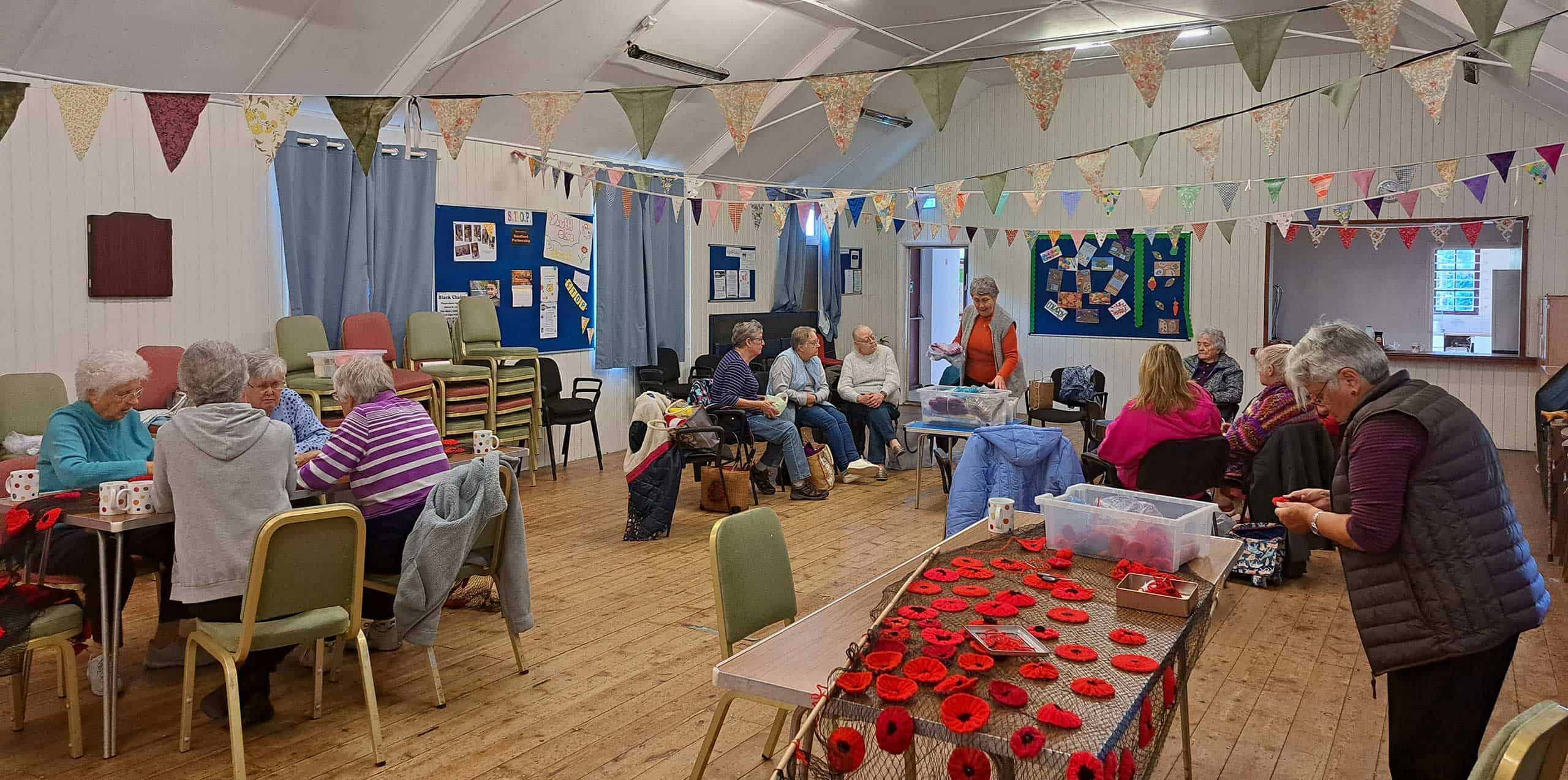
Community centres and churches run craft groups, art clubs and children’s holiday activities throughout the year on tight budgets with donated and scrounged supplies. If you have a community centre nearby — and most towns do — a conversation with whoever runs their activities programme will quickly establish whether they can use what you have. Churches that run parent and toddler groups, holiday clubs or community art sessions are another consistently receptive destination.
Local Facebook groups are particularly effective for hyper-local donations like this. A post in your town or neighbourhood group offering art supplies for collection typically generates responses within hours — I’ve seen this work brilliantly in our own Discount Art Supplies Facebook community of 15,000 members, where artists regularly pass supplies between each other rather than letting anything go to waste. It’s one of the things our community does that I’m genuinely proud of.
OLIO — The Free App for Local Sharing

OLIO is a free app that lets you list items to give away to local people — and it works extremely well for art supplies. List your unwanted paints, paper, brushes or canvases on OLIO, set them as free, and interested local people can request them for collection. It’s fast, it’s free, it requires no postage, and it puts your supplies directly into the hands of someone who specifically wanted them enough to ask. I’d reccommend it for anyone with a smaller quantity of supplies who wants the simplest possible donation route without involving any organisation or logistics whatsoever.
The environmental case for OLIO is also worth making. Art supplies that end up in landfill — particularly oil paints, acrylics and solvents — have a real environmental cost. Keeping them in circulation, even informally through a local sharing app, is meaningfully better than binning them. And frankly, knowing that your old Windsor & Newton student set has gone to a teenager two streets away who’s just getting into painting is a better feeling than watching it go in a bin bag.
Charity Shops — With a Caveat
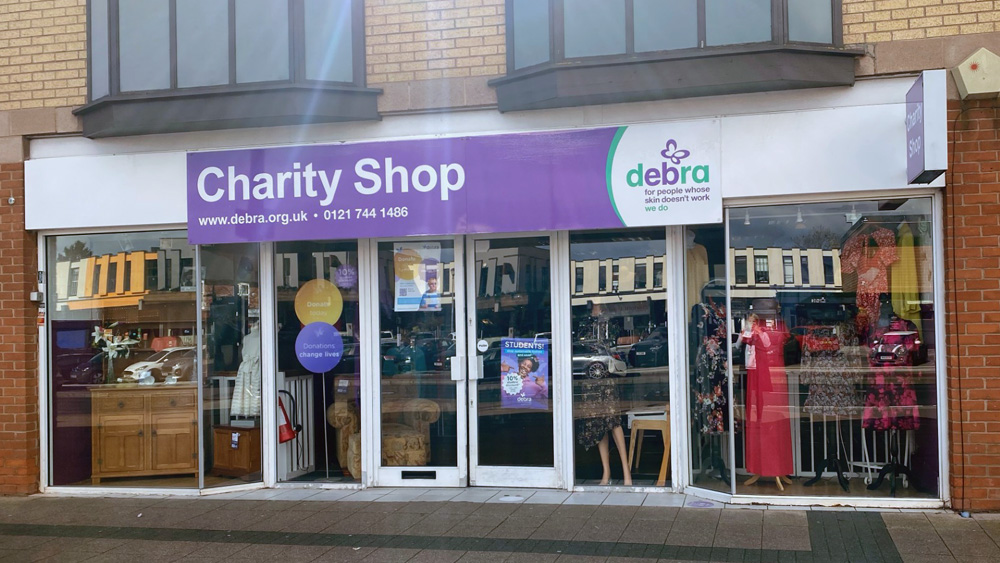
Charity shops will sometimes accept art supplies — but it’s genuinely worth calling ahead rather than just turning up and hoping. Most have specific policies about what they can and can’t take, and art supplies fall into a category that varies significantly between organisations and individual shops. Unused, sealed products in original packaging are the most likely to be accepted. Opened paints, used brushes and partial sketchbooks are less consistently welcomed. A quick call saves you the trip if they can’t use what you have.
British Heart Foundation, Oxfam and Sue Ryder all have fairly wide acceptance policies for good condition items. Local independent charity shops can be even more flexible than national chains. It’s always worth asking — the worst they can say is no.
What Can You Donate — and What Can’t You?
A few guidelines that apply across most of the options above. Unused or lightly used supplies in good condition are always welcome. Paints that are completley dried out, brushes that are misshapen and hardened, or paper that’s damp or mouldy are not useful to anyone and shouldn’t be donated — dispose of those responsibly. Hazardous materials including oil paint solvents, aerosol spray paints and some specialist mediums may not be accepted by schools, children’s organisations or charity shops for safety reasons — always check before including them in a donation.
The supplies most consistently welcomed across all the options above: unused or barely-used acrylic and watercolour paints, good quality brushes in usable condition, sketchbooks and drawing pads (even partially used ones are often fine for scrap stores and schools), coloured pencils, drawing pencils, canvases and canvas boards, craft paper and card, and basic tools like scissors, palettes and rulers.
Before You Donate — Worth Checking First
If what you have is good quality, unused and in original packaging — professional watercolours, premium brushes, specialist papers — it’s worth considering whether selling rather than donating might serve you better financially. eBay, Facebook Marketplace and specialist art forums all have active second-hand markets for quality art supplies. The proceeds could go towards new materials, or towards a direct charitable donation if that’s the motivation.
And if you are restocking after clearing out, our current paints and mediums deals page compares prices across all major UK art retailers — Cass Art, Jacksons Art, Amazon, Crafty Arts and more — in real time. You never have to pay full price for what you replace. Check before you buy anywhere.
Where to Donate Art Supplies UK — Quick Summary
Your nearest scrap store via the Reuseful UK directory is the starting point for most people — 120 stores across the UK, all actively looking for exactly the kind of materials you have. Schools, nurseries and youth groups for immediate local impact with no logistics involved. made4aid if you want your donation to generate charitable funds for Médecins Sans Frontières. SDX Art Bank if you’re in Scotland. School Aid for stationery and basic supplies going to African schools. Hospitals, hospices and care homes for therapeutic impact closer to home. OLIO for the simplest possible local option. And charity shops as a last resort, with a call ahead first.
Art supplies are too good to waste. Someone, somewhere, will make something brilliant with what you no longer need — and that’s a genuinely good outcome for everyone.