
- All
- Favorite
- Popular
- Most rated

Moleskine Pro Project Planner Large – Black, 288 Pages, Elastic Closure
Offers: 3

Moleskine Cahier Ruled Journal Set of 3, 120 Pages, Flexible Cover
Offers: 4


Moleskine A5 Sketchbook 100 Pages 165gsm Ivory Paper
Offers: 5
Moleskine Watercolour Album 200gsm, 72 Pages, 13x21cm
Offers: 4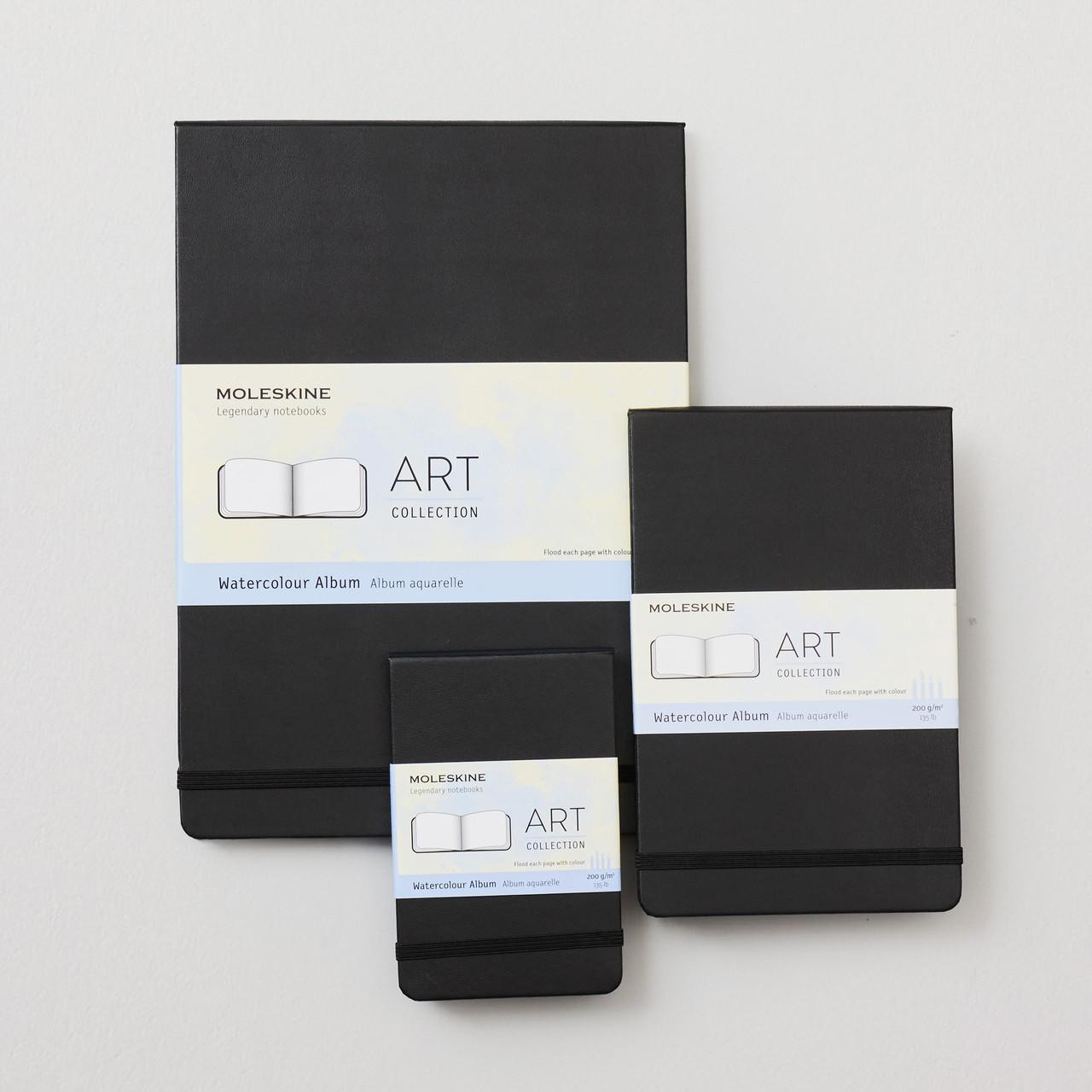

Moleskine Art Bullet Notebook Large Black, Hardcover, 120 Pages
Offers: 4
Moleskine Classic A5 Ruled Notebook 192 Pages Soft Cover
Offers: 4
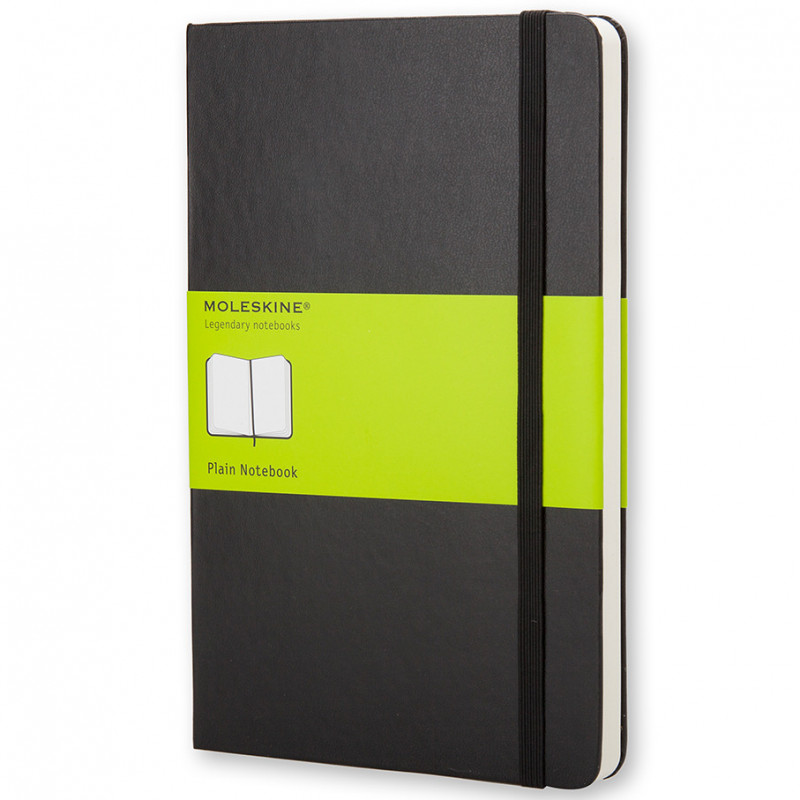
Moleskine Classic Squared Notebook Black 13x21cm 240 Pages
Offers: 2
Moleskine Art Watercolour Notebook 13x21cm, Hard Cover, Lies Flat
Offers: 4
Moleskine Classic Large Ruled Notebook Sapphire Blue, Hard Cover
Offers: 6
Moleskine Classic Soft Cover Notebook A4 Ruled 192 Pages Black
Offers: 3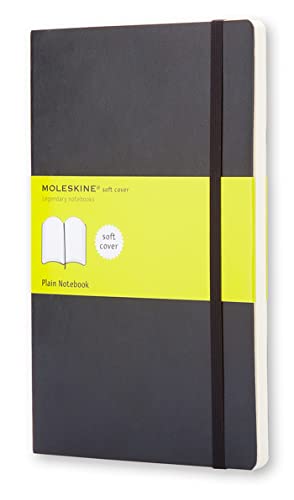
Moleskine Classic Soft Cover Notebook 13x21cm, Black, 192 Pages
Offers: 6
Moleskine Classic Plain Notebook Black 13x21cm – 240 Pages
Offers: 5
Moleskine Classic A5 Ruled Notebook Black 240 Pages Hardcover
Offers: 4
Moleskine Smart Writing Set – Large, Smart Pen & App Included
Offers: 1Few stationery brands have a look as instantly recognisable as Moleskine. The black cover, the rounded corners, the elastic band and the little pocket in the back have become shorthand for “creative person at work”. In sixteen years in the UK art supplies industry, I watched Moleskine move from a niche notebook to something almost every art shop and bookshop stocks, and its sketchbooks are now a regular sight at urban sketching meet-ups and in artists’ bags everywhere.
The story behind it is part of the appeal. In his book The Songlines, the travel writer Bruce Chatwin described the small black oilskin notebooks he used to buy from a Paris stationer, which he called “moleskines”, and lamented that they were no longer made. In 1997, Maria Sebregondi pitched the idea of bringing them back to the Milan publisher Modo & Modo, which trademarked the name and launched the modern Moleskine. The brand leans on the legandary notebooks said to have been used by artists and writers like Van Gogh, Picasso and Hemingway, though that’s best thought of as inspiration rather than a direct line. Today Moleskine is still based in Milan and has been owned by the Belgian investment group D’Ieteren since 2016.
For artists, the Art Collection is where to look. The Moleskine Sketchbook is the classic, with thick 165gsm ivory paper that suits pencil, graphite, ink, pastel and charcoal, and it comes in pocket, large and A4 sizes with the same hard cover and elastic closure as the notebooks. The Watercolour Album is designed for painting on the go, with cold-pressed watercolour paper containing 25% cotton, and it’s bound along the short edge so it opens into a long landscape spread, which is perfect for sweeping panoramic sketches. There are also Japanese Album concertina sketchbooks that fold out into one continuous strip, and Art Plus and Cahier ranges for lighter use.
The Classic notebooks are where Moleskine started, and they’re still popular with artists for planning, thumbnails, writing and everyday sketching. They come plain, ruled, squared and dotted, in pocket, large and XL sizes, with hard or soft covers and a growing range of colours. Moleskine also makes weekly and daily planners, Cahier journals, limited edition designs and the Smart Writing Set, which digitises what you draw or write on paper.
The honest bit. Moleskine isn’t cheap, and some of the price is the brand. The standard Classic notebook paper is thin, so ink and markers can show through or bleed, which is why the Art Collection exists. The Watercolour Album paper is good for sketching and light washes, but painters who work with heavy, wet washes often find it buckles more than heavier 100% cotton papers from brands like Arches or Hahnemühle. If you’re mainly painting rather than sketching, those are worth comparing. That said, for portable drawing and journaling, few sketchbooks are as well made, and they last propperly in a bag.
I spent nearly a decade as Digital Marketing Manager at ARTdiscount, and Moleskine is a brand where price comparison makes a real difference. It’s stocked by art shops, stationers, bookshops, department stores and Amazon, and prices for the same sketchbook can vary a lot between them. The colourful limited editions in particular are often discounted heavily once a new collection arrives. If you’re not fussed about the exact cover, last season’s designs can be a bargain.
The best times to buy Moleskine are Black Friday, the January sales, when the previous year’s planners are cleared at big discounts, and back to school season. I post deals every day for a community of over 36,000 UK artists, and Moleskine offers, especially multi-buys and discounted planners, come up regularly. If you go through a lot of sketchbooks, buying two or three when they’re on offer is the way to save.
Are Moleskine sketchbooks good for drawing? Yes. The 165gsm paper in the Art Sketchbook is smooth and handles pencil, ink and dry media well. Can you use watercolour in a Moleskine? Use the Watercolour Album, which is made for it. The Classic notebook paper is too thin for wet media. What’s the difference between the Moleskine Sketchbook and the Classic notebook? The Sketchbook has much thicker paper for drawing, while the Classic notebook has thinner paper designed mainly for writing. Do Moleskine pens bleed through? Ink and markers can show through the Classic notebook paper, but the Art Sketchbook’s heavier paper handles them much better. Who owns Moleskine? It’s based in Milan and has been owned by the Belgian group D’Ieteren since 2016.
Looking for a Moleskine sale, discount or discount code? Check the price comparisons above, updated in real time, and you’ll always know you’re getting the best current UK price.