
- All
- Favorite
- Popular
- Most rated

Pith Yuzu Dot Grid Notebook 156 Pages, Blue, 130gsm Paper
Offers: 2
Pith Pomelo Dot Grid Sketchbook, 156 Pages, 130 gsm Paper
Offers: 2
Pith Pomelo Dot Grid Notebook – Blue, 156 Pages, 130gsm
Offers: 2
Pith Pomelo 156-Page Notebook, Exposed Binding, 260x210mm
Offers: 2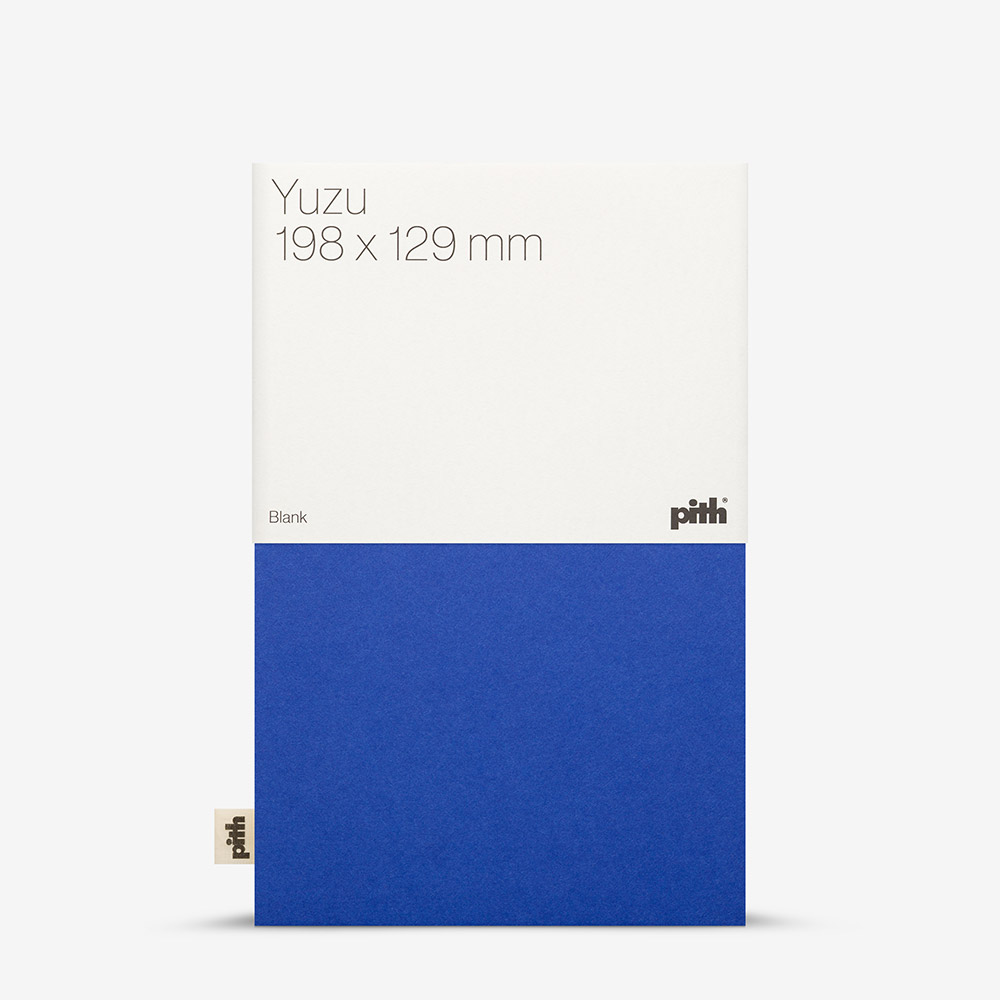
Pith Yuzu Blue Notebook, 156 Pages, Recycled Paper
Offers: 2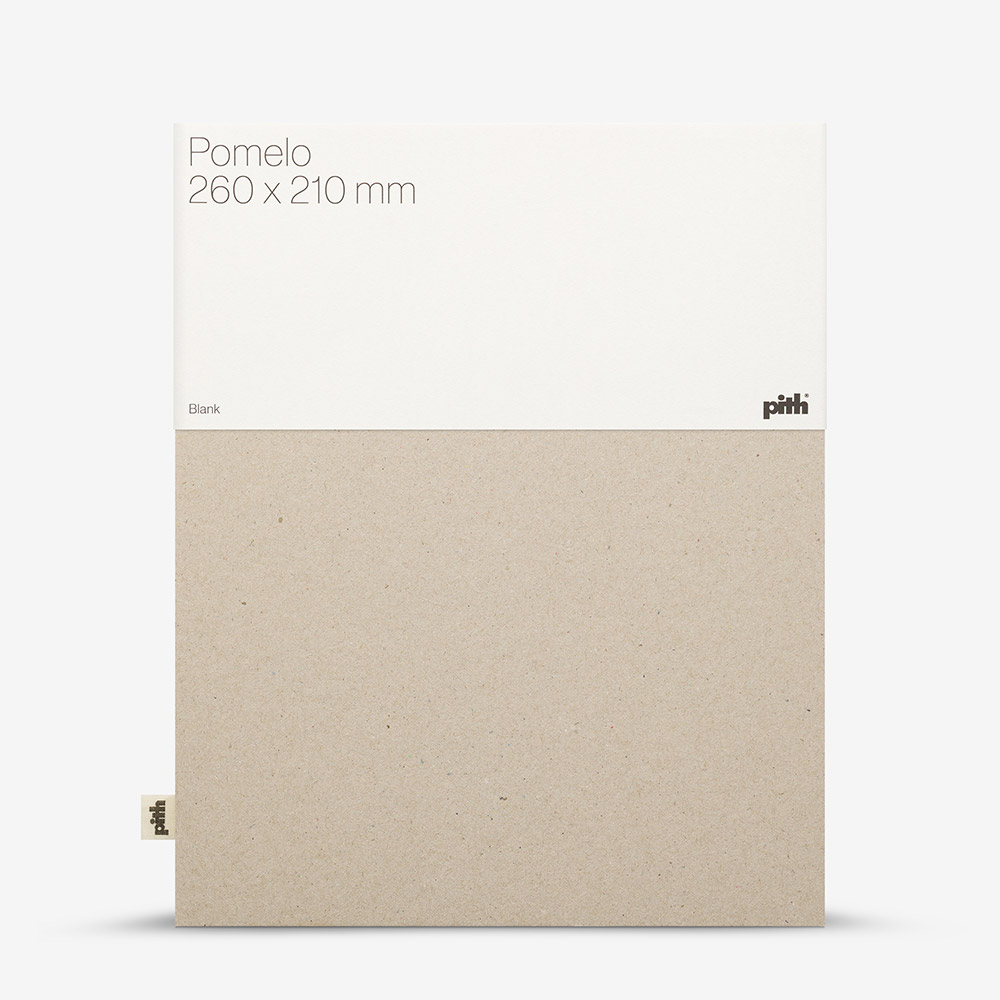
Pith Pomelo Eco-Friendly Blank Notebook 156 Pages 260x210mm
Offers: 2
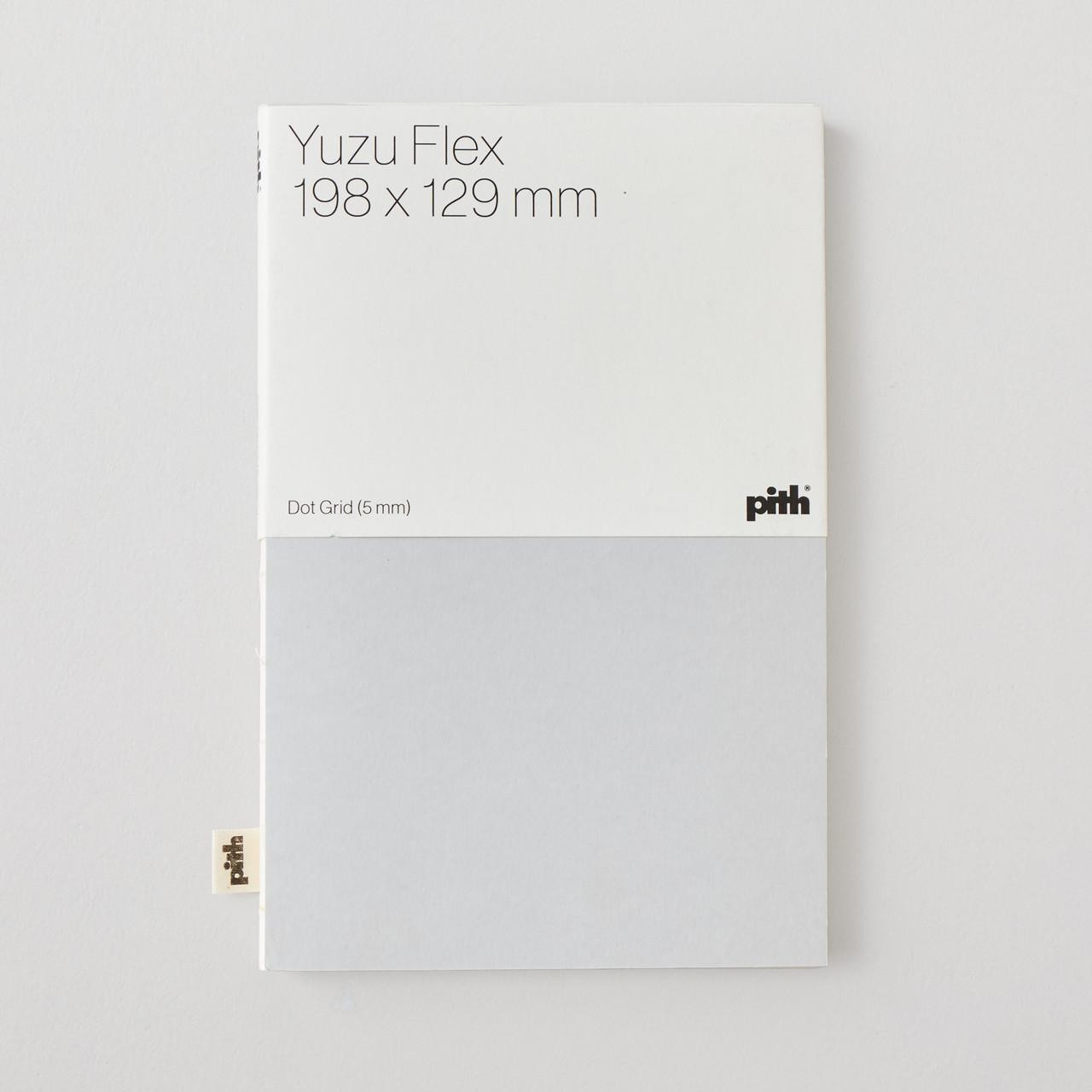
Some of the most interesting art brands in the UK right now are the young ones, and Pith is a great example. Founded in early 2020 by Andrew Hardie and Liam Goward, Pith makes sketchbooks, notebooks, planners and pads in Northumberland, in the north east of England. From the start, the idea was to combine genuinely useful, beautifully designed books with as little environmental impact as possible. The company describes its aim as “maximum creative functionality with minimal environmental impact”, and that runs through everything it makes.
The detail that sets Pith apart for artists is the binding. Pith books are Smyth sewn, which means the pages are folded into sections and sewn together, rather than glued at the spine like many cheaper sketchbooks. The sections are machine-sewn in-house and then hand-bound, and the spine is left exposed, so the book opens completely flat on every single page. If you’ve ever fought with a sketchbook that won’t stay open, or lost part of a drawing in the gutter at the spine, you’ll understand why that matters. A lay-flat book lets you draw right across a double-page spread, and it sits flat on your knee or a table when you’re sketching on location.
The best-known Pith sketchbook is the Kabosu, a pocket-sized book measuring 150 x 105mm with 76 pages. Like several Pith products, it’s named after a citrus fruit, which is a nice nod to the brand’s name. The Kabosu uses a sustainable 200gsm off-white paper with a medium tooth, which Pith describes as acid-free, with low bleed-through and minimal buckling. It handles pencil, ink, fineliner, marker, gouache, light watercolour washes, pastels and mixed media, which makes it a superb everyday sketchbook for urban sketching, travel journals and daily drawing practice. For longer sessions and bigger work, the Lumia sketchbook offers a larger 250 x 175mm format with the same lay-flat binding.
There are two cover options. The Classic cover uses 1.5mm recycled board, which is sturdy and protective, while the Flex cover is made from a 350gsm seaweed-based paper, a more flexible and unusual material that’s become a signature of the brand. Pith books come in a range of colours, from raw, black and chalk to lavender, chartreuse, blue, pink and orange, so they’re as nice to look at as they are to use. Beyond sketchbooks, Pith makes the Yuzu and Pomelo notebooks for writing and note-taking, along with planners, pads, calendars and occasional limited editions created with artists and designers.
Sustainability is central to the brand. Pith uses recycled board, responsibly sourced and FSC-certified paper, and seaweed-based paper, and it designs its book sizes to reduce production waste. It also runs a tree-planting campaign, planting a tree in Kitale, Kenya, for every product bought through its own website. For artists who care about the environmental impact of their materials, that’s a real point in its favour.
In sixteen years in the art supplies industry, including nearly a decade running digital marketing at ARTdiscount, I’ve seen sketchbooks become something people genuinely care about, not just a pad of paper. In our community of 36,000 UK artists at Discount Art Supplies, sketchbook recommendations always spark a big conversation, and lay-flat books like Pith are increasingly the ones people rave about. It’s lovely to see a small British maker build such a sucessful brand so quickly, and I don’t think many artists who try a Kabosu will be dissapointed.
Getting the best deal on Pith comes down to a few things. First, compare prices before you buy. Pith books are a premium product, and prices for the same sketchbook can vary between retailers, so our comparison above checks Cass Art, Jackson’s, Amazon and others in real time. Second, choose the right size and cover. The Kabosu is perfect for carrying everywhere, while the Lumia gives you more room for longer pieces. A Classic board cover is more protective, while the seaweed Flex cover is lighter and more flexible. Third, think about the paper. At 200gsm, Pith sketchbook paper handles light washes well, but if you mainly paint heavy watercolour, a dedicated watercolour sketchbook may suit you better. And finally, watch for sales. Pith books make popular gifts, so look out for deals around Christmas and in January, when new planners launch.
A few questions come up again and again. Do Pith sketchbooks lay flat? Yes. They’re Smyth sewn with an exposed spine, so every page opens completely flat. What paper does the Pith Kabosu use? It uses a sustainable 200gsm off-white paper with a medium tooth, suitable for dry media, ink, gouache and light watercolour washes. Where are Pith sketchbooks made? In Northumberland, England, where they’re sewn in-house and hand-bound. What’s the difference between the Kabosu and the Lumia? The Kabosu is a pocket-sized 150 x 105mm sketchbook, while the Lumia is larger at 250 x 175mm.
Pith shows that a sketchbook can be beautifully made, practical and kinder to the planet all at once. Looking for a Pith sale, discount or discount code? Check the price comparisons above, updated in real time, and you’ll always know you’re getting the best current UK price.