Written by Paul Worrall
Oil pastels are one of those mediums that get written off as a school supply by people who’ve never used a genuinly good set. There’s a real gap between what a box of budget oil pastels can do and what a proper artist-grade set is capable of, and it’s bigger than almost any other medium I can think of — the jump from a cheap set to something like Sennelier isn’t subtle, it’s transformative.
Pastel paintings are genuinly my favourite thing in any gallery, and it’s been that way since I first stood in front of a room of Degas pastels years ago — the ballet dancers, all that soft, smudged light catching the fabric of a tutu in a way that felt almost impossible for something built from sticks of colour rather than paint. I remember thinking it looked more like the memory of a moment than the moment itself, and that’s stuck with me ever since. I’ve picked up oil pastels myself a handful of times over the years, usually badly, usually late at night at the kitchen table after the kids have gone to bed, chasing some version of that same soft, blurred quality and never quite getting there — but enjoying every attempt regardless. There’s something genuinly forgiving about the medium that makes it worth persisting with even when the results don’t match what’s in your head.
I’ve spent 16 years in the UK art supplies industry watching which oil pastels people buy once and regret, and which ones they keep buying for decades. I now run Discount Art Supplies, used by over 36,000 UK artists every week. This is the honest breakdown of what’s actually worth your money, at every level.
Quick Picks — Best Oil Pastels UK
Best overall / professional artists: Sennelier Oil Pastels — Buy on Amazon
Best for fine detail: Caran d’Ache Neopastel — Buy on Amazon
Best colour range: Holbein Artists’ Oil Pastels — Buy on Amazon
Best mid-range: Faber-Castell Oil Pastels — Buy on Amazon
Best budget/beginners: Pentel Oil Pastels — Buy on Amazon
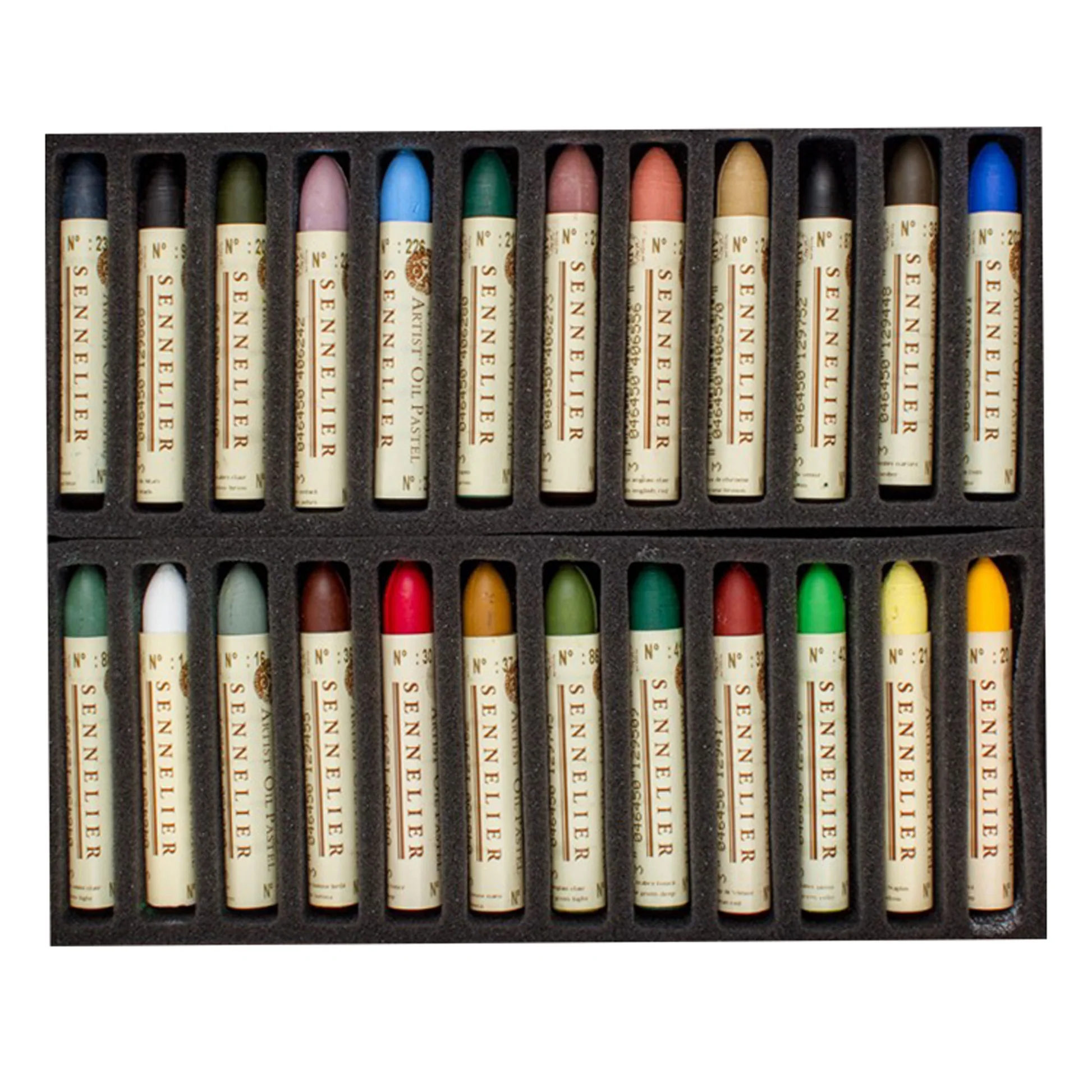
1. Sennelier Oil Pastels — Best Overall, Best for Professional Artists
Sennelier essentially invented the artist-grade oil pastel category back in 1949, working with Picasso himself to develop a medium soft and buttery enough to satisfy his demands — and that heritage still defines the product today. The pigment load is genuinly exceptional, colours blend into each other with almost no resistance, and the pastels stay workable even in cold studio conditions where cheaper sticks turn hard and crumbly.
This softness is also the honest trade-off — Sennelier isn’t the pastel to reach for if you need crisp, controlled lines, and they get messy on your hands quickly. But for expressive, blended, painterly work, nothing else on this list matches the richness of colour or the ease of layering. If you only ever buy one premium set, this is it.
🔍 Compare Sennelier Prices → 🛒 Buy on Amazon2. Caran d’Ache Neopastel — Best for Fine Detail
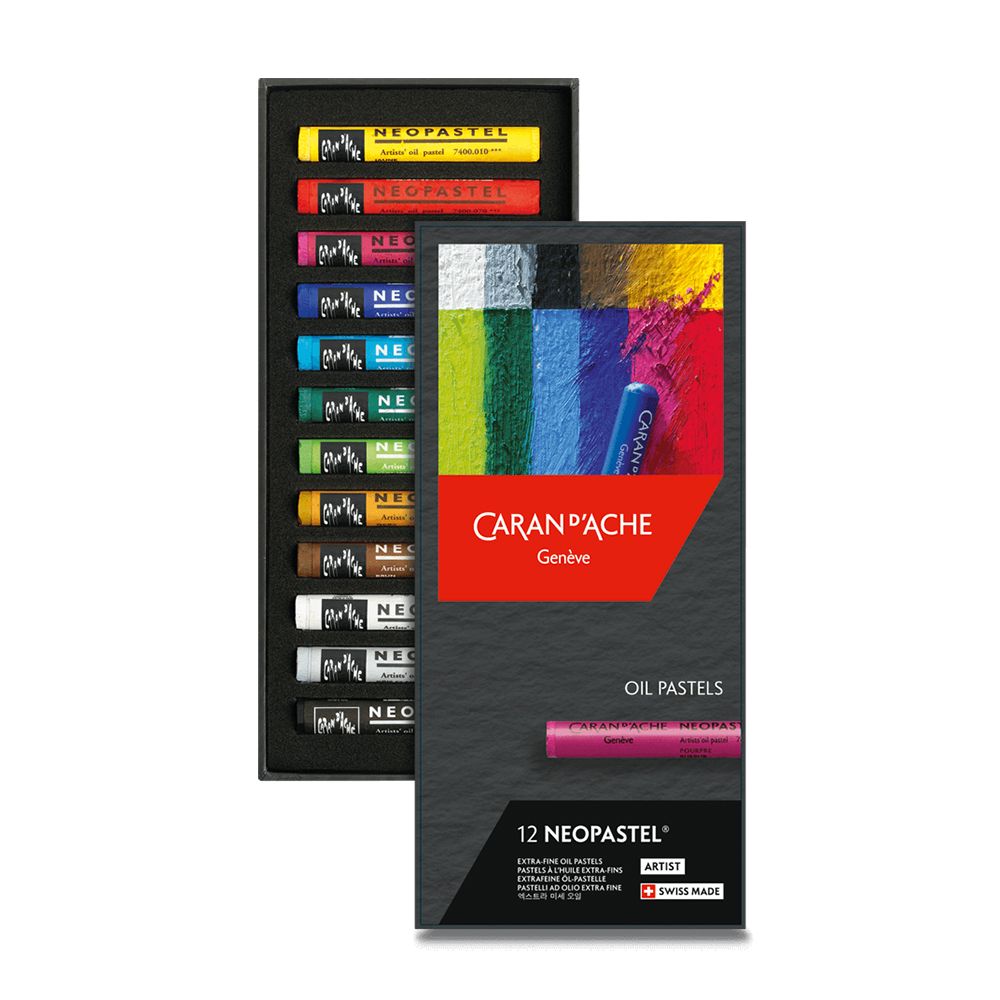
Neopastel sits at the opposite end of the texture spectrum from Sennelier — genuinly firm, holding a point well enough for controlled detail work rather than pure expressive blending. The pigment quality is on par with Sennelier’s, but the harder consistency makes it a better choice for artists who want precision alongside rich colour, rather than a medium that wants to blend the moment it touches paper.
It’s a genuinly professional-grade product with a price to match, and it rewards artists who already have a clear idea of the control they want. For beginners still learning what oil pastels can do, it can feel less forgiving than Sennelier’s softer approach.
🔍 Compare Caran d’Ache Prices → 🛒 Buy on Amazon3. Holbein Artists’ Oil Pastels — Best Colour Range
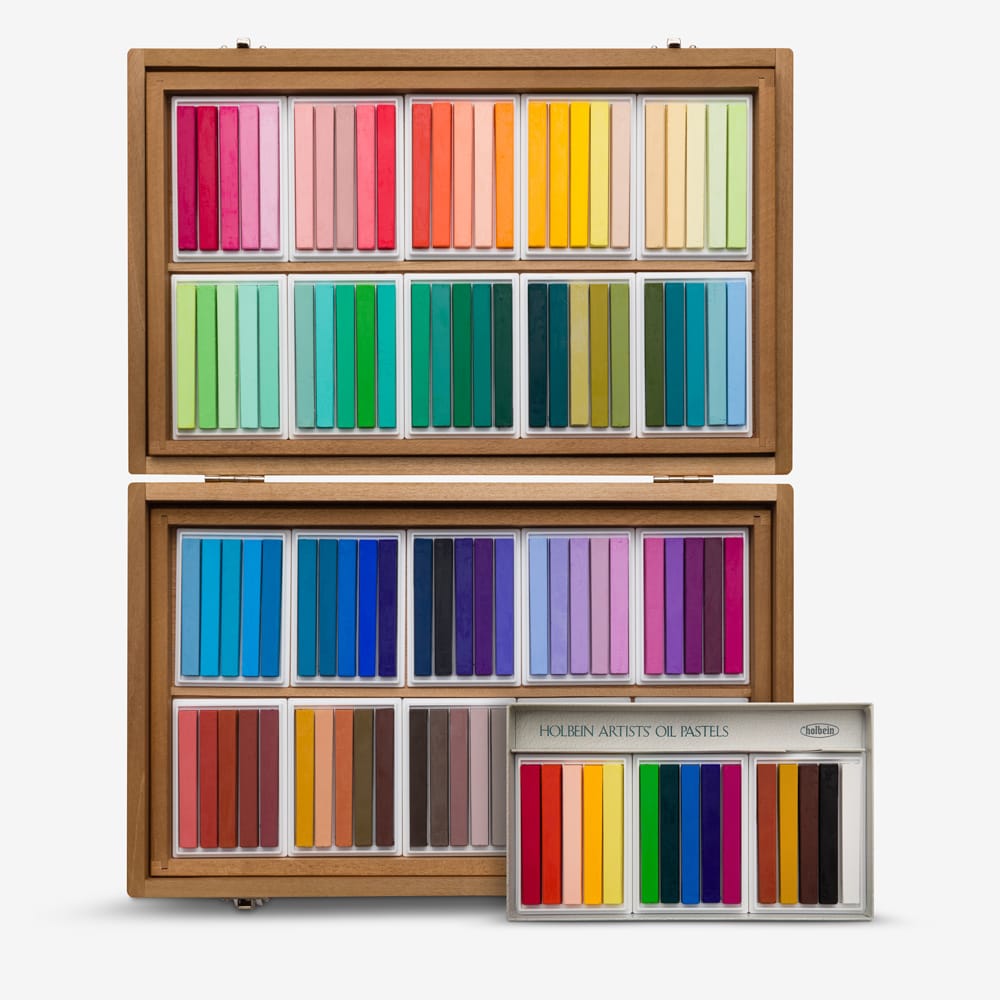
Holbein’s range runs to well over 200 individual colours, genuinly the widest selection of any brand on this list, including a set of iridescent and fluorescent shades most competitors don’t offer at all. The consistency sits between Sennelier and Neopastel — soft enough to blend easily, firm enough to retain some control.
For artists who want a specific, subtle colour without mixing it themselves, that range is genuinly valuable — it’s the brand I’d point toward anyone doing detailed botanical or wildlife work where precise, unusual colours matter more than raw blendability.
🔍 Compare Holbein Prices → 🛒 Buy on Amazon4. Faber-Castell Oil Pastels — Best Mid-Range
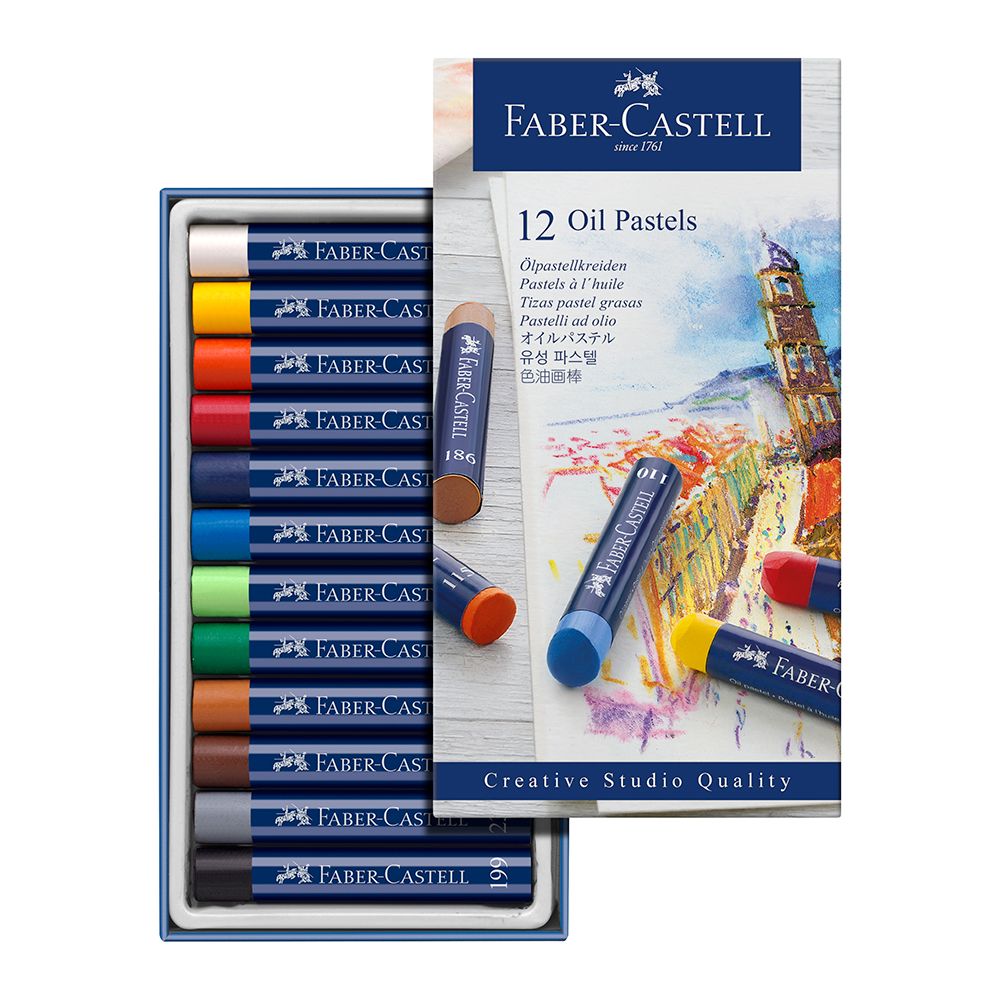
Faber-Castell sits in the sensible middle ground between budget school sets and full artist-grade pricing — genuinly good pigment saturation and workable consistency without asking beginners to spend Sennelier money before they know if the medium suits them. It’s the set I’d recommend to someone who’s tried a cheap box, liked the medium, and wants to see what a proper step up feels like without committing to premium prices yet.
It won’t quite match the blending softness of Sennelier or the colour range of Holbein, but as an honest mid-point that outperforms its price bracket, it’s a genuinly sensible choice for improving hobbyists and students.
🔍 Compare Faber-Castell Prices → 🛒 Buy on Amazon5. Pentel Oil Pastels — Best Budget / Beginners
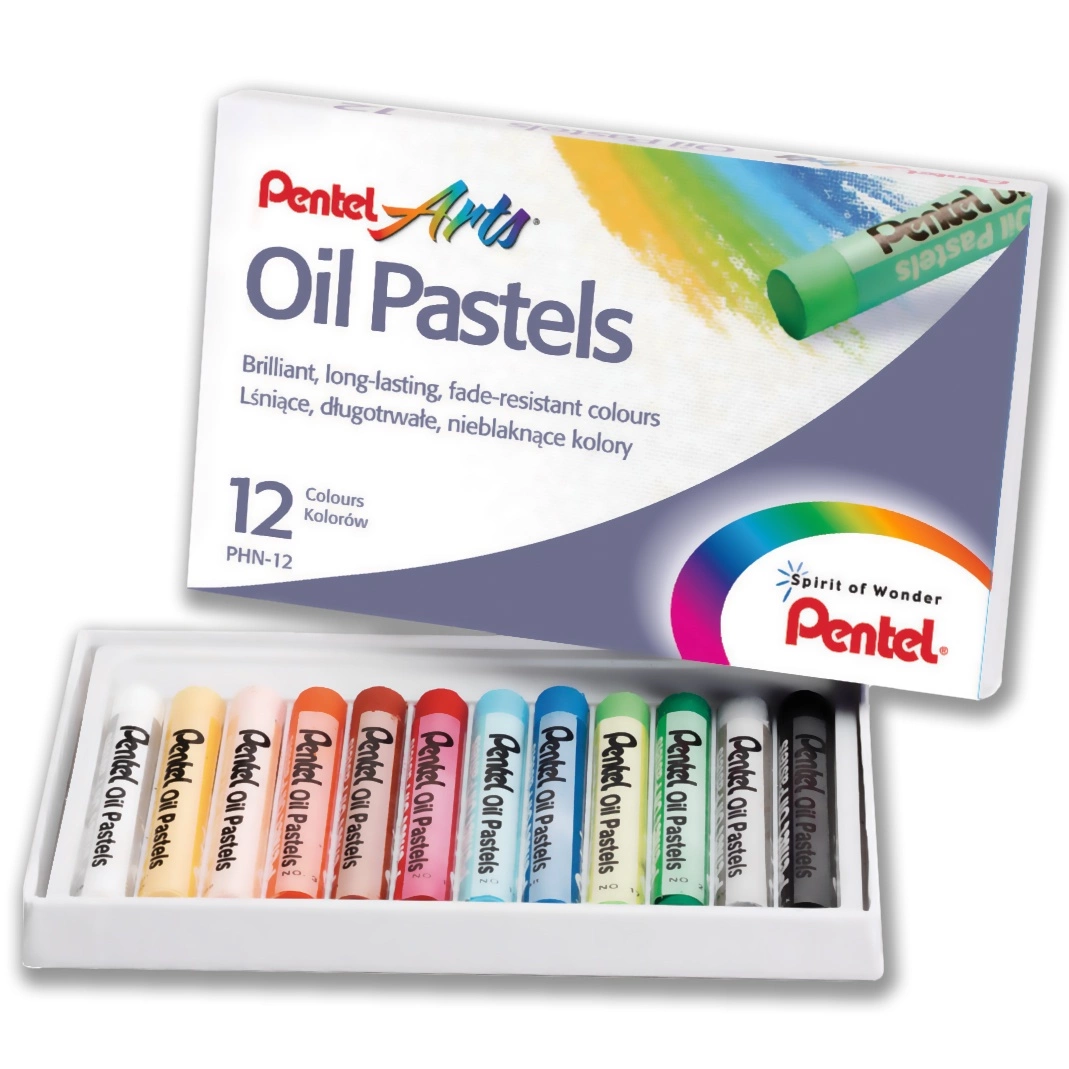
Pentel is the honest budget option, and a genuinly capable one rather than an embarrassing compromise — this is actually the set my kids have used for school projects, and it copes with enthusiastic, heavy-handed use far better than you’d expect at the price. The colours are more limited and the blending isn’t in the same league as the premium brands above, but for anyone starting out, or buying for children who treat art supplies as somewhat disposable, it’s importent to have a starting point that doesn’t punish experimentation.
Once you know oil pastels are a medium worth investing in properly, stepping up to Faber-Castell or Sennelier is the natural next move — but there’s no shame in starting here.
🔍 Compare Pentel Prices → 🛒 Buy on AmazonHow to Blend Oil Pastels Properly
Blending is where most beginners struggle, and it’s usually a technique problem rather than a materials one. Layer colour gradually rather than pressing hard on the first application — oil pastels build richness through layers, and pressing too hard too early just flattens the pigment and makes further blending harder.
A genuine finger or a soft cloth works for basic blending, but for cleaner results, a colourless blending stick (sold specifically for this purpose) lets you merge colours without muddying them with whatever pigment was left on your finger from the last colour. Baby oil or a small amount of white spirit on a cotton bud can also loosen stubborn oil pastel for smoother transitions, though it’s worth testing on scrap paper first since it behaves differently across brands.
For genuinly soft, painterly blending, Sennelier’s buttery consistency makes this whole process significantly easier than firmer pastels like Neopastel — worth factoring in if blending technique is something you’re still building confidence with.
Which Should You Buy?
If you want the richest colour and easiest blending and don’t mind the mess, Sennelier is the standout choice and worth the investment. If you want precision and control over pure expressive blending, Caran d’Ache Neopastel suits that approach better. Holbein is the pick if an unusually wide, specific colour range matters to your work. Faber-Castell is the sensible step up once you know you’re sticking with the medium, and Pentel is the honest starting point for beginners or for buying with kids in mind.
Whichever you choose, our guide to the best paper for oil pastels is worth reading alongside this one — the wrong surface will hold back even the best set of pastels.