Written by Paul Worrall
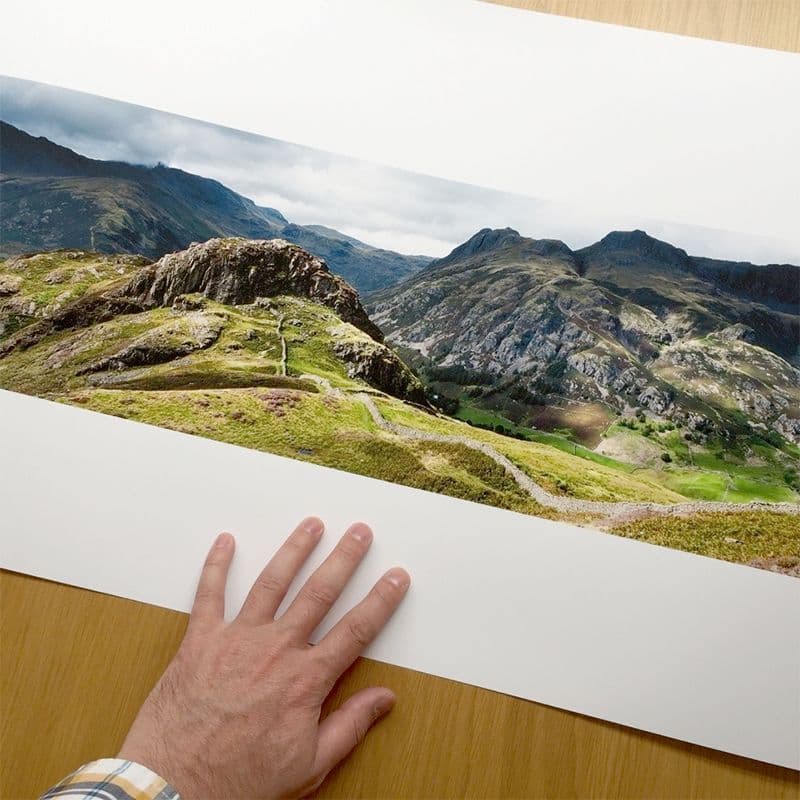
You can have the best printer in the world, but if you print your artwork on the wrong paper, it’ll look flat, dull and nothing like the original. Paper makes a huge difference to how your prints look, how they feel in the hand and how long they last on someone’s wall. This guide explains the different types of fine art inkjet paper in plain English, recommends the best papers for printing art at home in the UK, and covers the practical bits like paper weight, printer compatibility and colour profiles.
Best Paper for Printing Art at Home: Quick Picks
Best overall: Hahnemühle Photo Rag 308
Best smooth cotton rag alternative: Canson Infinity Rag Photographique
Best for watercolour reproductions: Canson Infinity Aquarelle Rag
Best budget matte paper: Epson Archival Matte
Best for Canon printers: Canon Photo Paper Pro Premium Matte PM-101
Best gloss paper: Canson Infinity Baryta Prestige
Matte, Lustre or Gloss: Which Finish Is Best for Art Prints?
For most artwork, matte is the best choice. It has no shine, so there’s no glare when the print is framed or hung near a window, and it gives prints a soft, painterly look that suits paintings and drawings. Most fine art papers used for giclée-style prints are matte.
Lustre and satin papers have a gentle sheen. They give deeper blacks and more punchy colour than matte, and they’re popular for photography and bold digital art. Gloss papers give the richest blacks and most vivid colours, but the shine can be distracting and shows fingerprints, so they’re less common for reproducing paintings.
A simple rule: if you’re reproducing a painting or drawing, start with matte. If you make bright digital illustrations or photographic work, try a lustre or gloss paper as well, and see which you prefer.
Cotton Rag vs Alpha-Cellulose vs Baryta
Fine art inkjet papers are usually made from one of three bases, and it’s worth knowing the difference because it affects quality, longevity and price.
Cotton rag. Made from cotton fibres, these are the premium papers used for museum-quality prints. They’re acid-free, feel lovely in the hand and are made to last. Most of the papers in this guide are cotton rag. They cost more, but if you’re selling prints, they’re the ones that justify a higher price.
Alpha-cellulose. Made from highly purified wood pulp. These papers are cheaper than cotton rag, and many resin-coated photo papers in satin, lustre and gloss finishes use this kind of base. They’re a good choice for practice prints and cheaper products.
Baryta. These papers have a coating of barium sulphate, the same type of coating used on traditional darkroom photo papers. They have a gloss or semi-gloss finish with deep blacks and lots of detail, and they’re popular with photographers and artists who want a high-end glossy look.
What Paper Weight Should You Use?
Paper weight is measured in grams per square metre (gsm). For art prints, most fine art papers sit between about 190gsm and 340gsm. Heavier papers feel more substantial and premium, which matters when a customer opens the parcel and holds the print for the first time.
Around 300gsm is the sweet spot for most fine art prints you plan to sell. Lighter papers around 190gsm to 210gsm are cheaper and fine for practice, proofs and smaller prints. Before you buy a heavy paper, check your printer’s manual for the maximum paper weight and thickness it can handle. Many printers need heavy papers fed through a rear or straight-through paper path rather than the main tray, and some cheaper printers can’t take them at all.
What Does Acid-Free and OBA-Free Mean?
Acid-free paper won’t yellow and become brittle over time the way cheaper papers can. Any paper you use for prints you sell should be acid-free.
OBAs are optical brightening agents, chemicals added to some papers to make them look extra bright white. Canson explains that OBAs break down over time, so a bright white paper can gradually look warmer or duller. That’s why many high-end papers are sold as OBA-free. If longevity matters most, look for papers described as OBA-free, but don’t worry too much about it for everyday prints.
Paper is only half the story when it comes to longevity. Prints made with pigment inks generally last much longer than those made with dye inks, which is why most printers aimed at artists use pigment inks. I cover this in more detail in my guide to the best printer for art prints.
The Best Paper for Printing Art Prints at Home
1. Hahnemühle Photo Rag 308: Best Overall
Hahnemühle Photo Rag is one of the best-known fine art papers in the world, and it’s the one I’d suggest most artists start with. It’s a 308gsm, 100% cotton rag paper with a smooth matte surface, and it’s acid-free. It reproduces colour and fine detail beautifully, and it has that weighty, premium feel that makes a print feel like a proper piece of art.
It’s not cheap, but if you’re selling prints, the quality more than justifies the cost. It’s also so widely used that ICC profiles for most printers are easy to find.
Hahnemühle Photo Rag on Amazon
2. Canson Infinity Rag Photographique: Best Smooth Cotton Rag Alternative
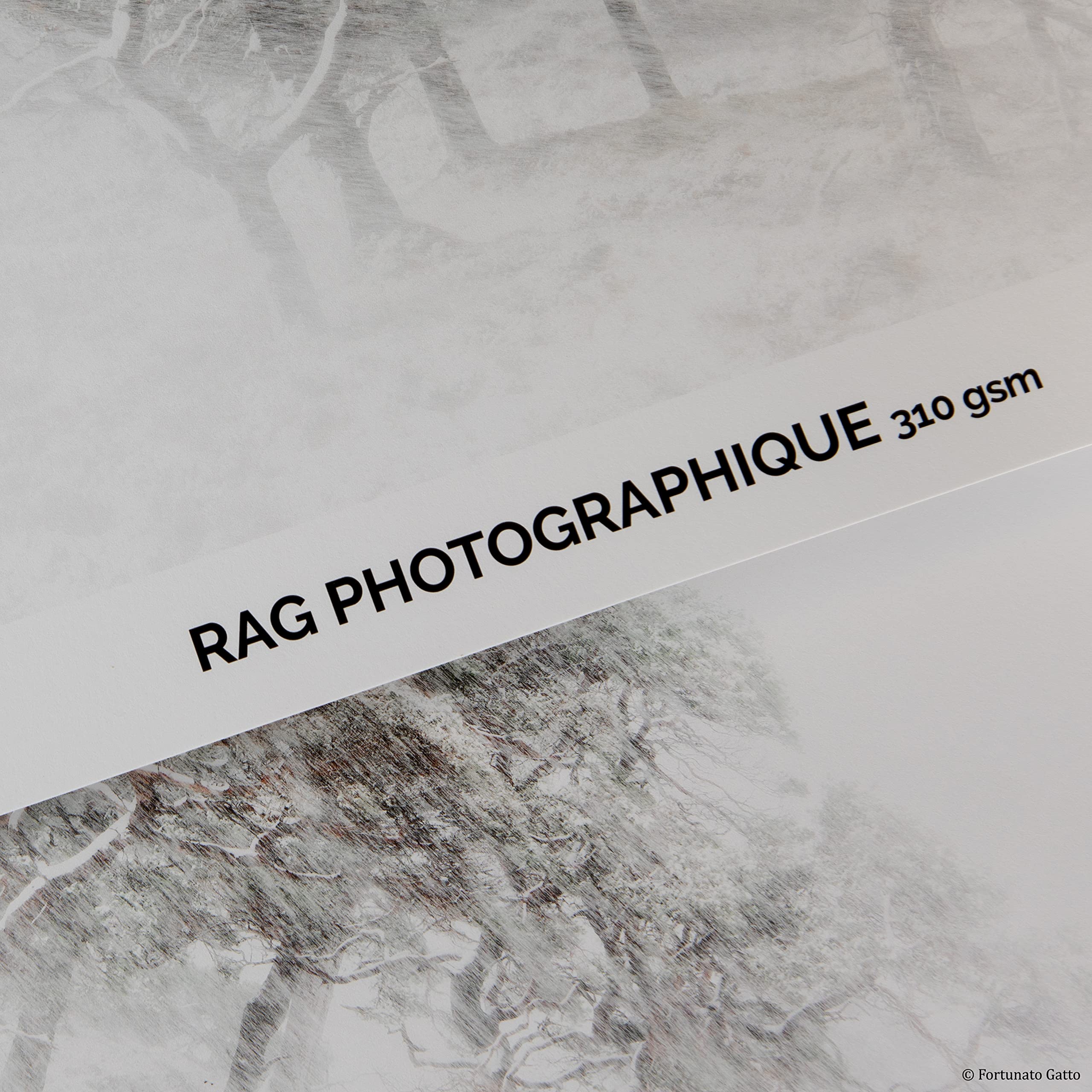
Canson Infinity Rag Photographique is a 100% cotton rag paper with an extra-smooth matte surface, available in 210gsm and 310gsm. It’s a direct rival to Hahnemühle Photo Rag, and plenty of artists prefer it. The smooth surface is ideal for detailed illustrations, drawings and paintings with fine linework.
The 210gsm version is a good way to keep costs down for smaller prints, while the 310gsm version is the one to choose for prints you sell.
Canson Rag Photographique on Amazon
3. Canson Infinity Aquarelle Rag: Best for Watercolour Reproductions
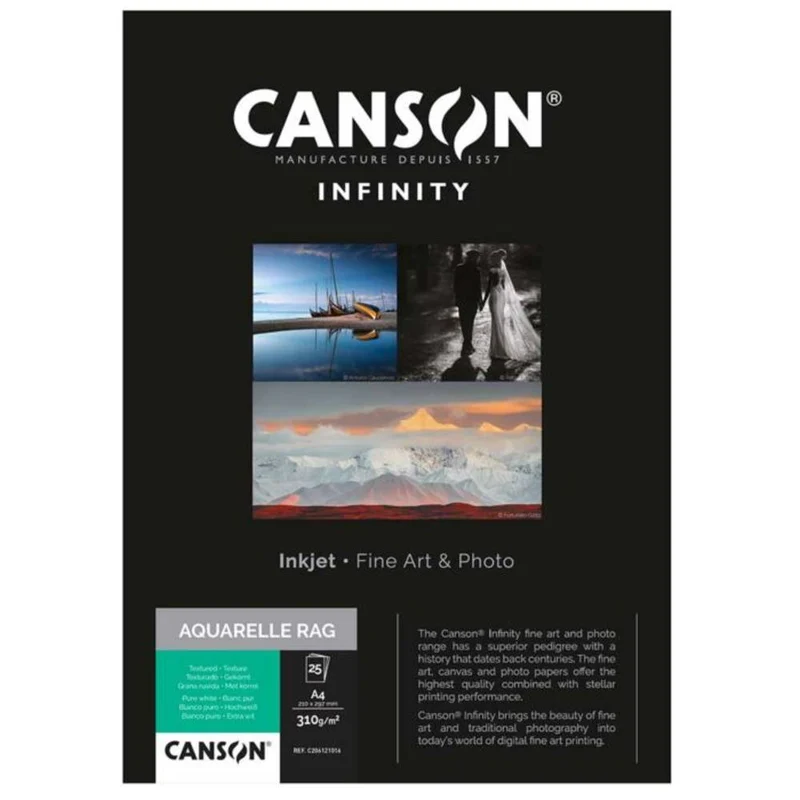
If you paint in watercolour, this is the paper to try. Canson Infinity Aquarelle Rag is a cotton rag paper with a matte, textured surface that looks and feels like real watercolour paper. It comes in 240gsm and 310gsm.
That texture gives prints of watercolour paintings a really authentic appearence, and customers often comment that the print feels like an original. It’s less suited to very fine, detailed digital work, where a smooth paper is better.
Canson Aquarelle Rag on Amazon
4. Ilford Galerie Prestige Smooth Cotton Rag: A Great Value Cotton Rag

Ilford is a famous name in photography, and its Galerie Prestige Smooth Cotton Rag is a 310gsm cotton rag paper with a smooth matte surface. It’s a strong alternative to the Hahnemühle and Canson papers, and it’s often a little cheaper, so it’s well worth comparing prices. There’s also a textured version if you prefer a bit of tooth.
5. Epson Archival Matte: Best Budget Matte Paper
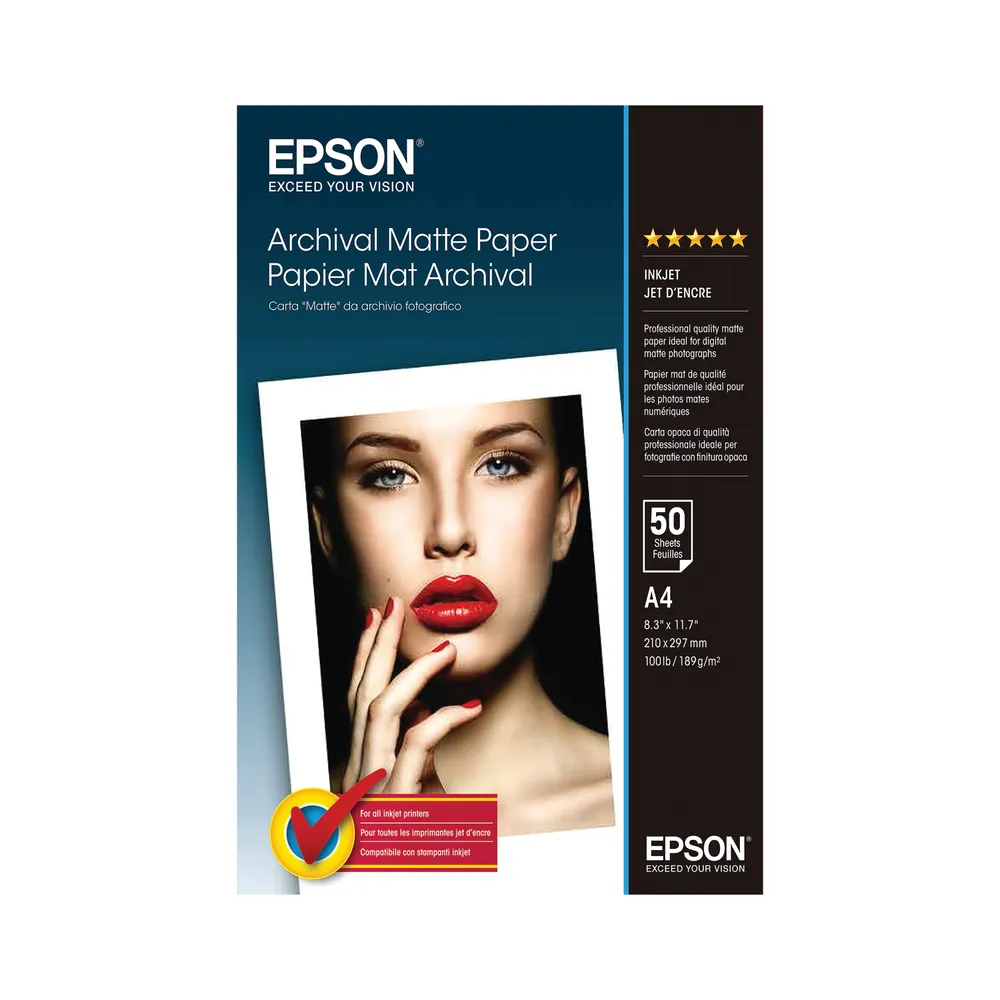
Epson Archival Matte is a 189gsm matte paper sold in A4 and A3 packs of 50 sheets. It’s much cheaper per sheet than cotton rag, which makes it perfect for test prints, proofs, colour checks and cheaper products like small prints and postcards. It’s designed for Epson printers, and Epson’s own printer settings include it, which makes getting good colour easier if you have an Epson.
It’s lighter and less luxurious than cotton rag, so for prints you sell at a higher price, I’d step up to one of the papers above. But every home printer setup needs a good, affordable paper for testing, and this is a great one.
Epson Archival Matte on Amazon
6. Canon Photo Paper Pro Premium Matte PM-101: Best for Canon Printers
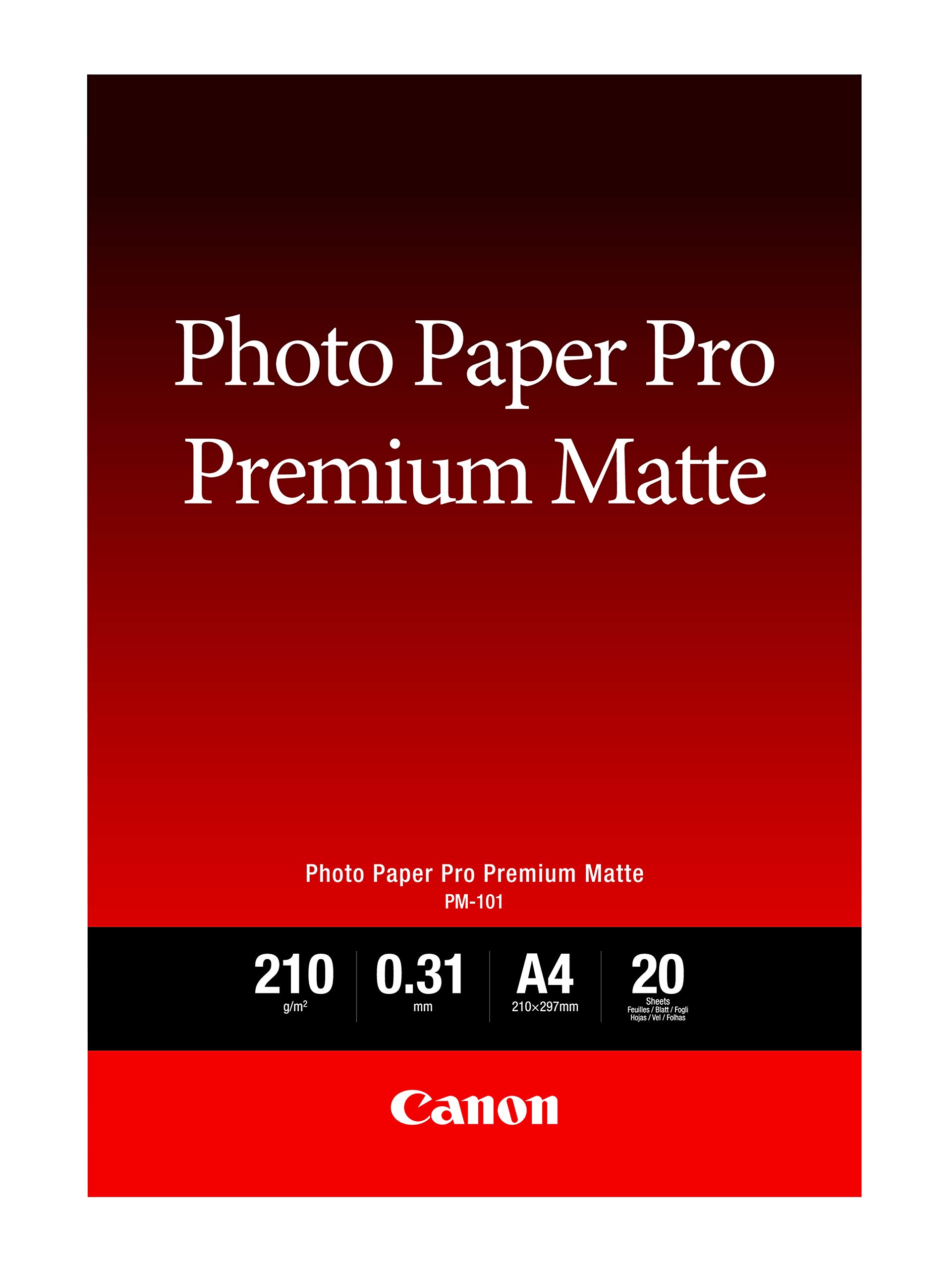
If you have a Canon printer, Canon’s own Pro Premium Matte paper is the easy choice. It’s a 210gsm paper with a smooth matte surface, sold in 20-sheet packs in A4, A3, A3+ and A2 sizes. Because it’s Canon’s own paper, the printer settings are built in, so you get accurate colour without having to download and install profiles.
7. Canson Infinity Baryta Prestige: Best Gloss Paper
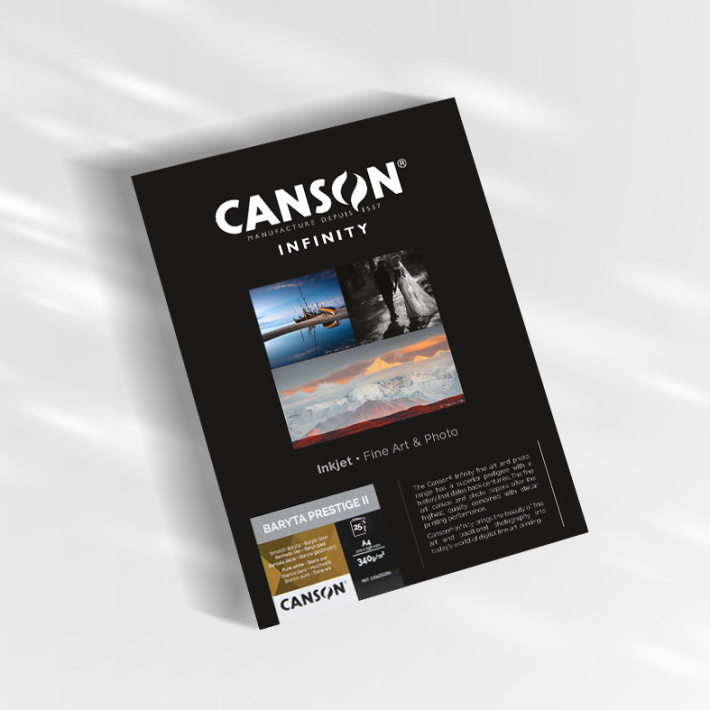
If you want a glossy finish, Canson Infinity Baryta Prestige is a 340gsm baryta paper with a cotton and alpha-cellulose base. It gives deep blacks, rich colour and plenty of detail, with the look of a traditional darkroom print. It’s a favourite for photographic work and bold, high-contrast digital art. If you create your artwork digitally, my guide to the best drawing tablets in the UK covers the kit to make it.
Canson Baryta Prestige on Amazon
Quick Comparison
| Paper | Base | Weight | Finish | Best for |
|---|---|---|---|---|
| Hahnemühle Photo Rag | 100% cotton | 308gsm | Smooth matte | Prints to sell, all-round |
| Canson Rag Photographique | 100% cotton | 210 / 310gsm | Extra-smooth matte | Detailed illustration |
| Canson Aquarelle Rag | Cotton rag | 240 / 310gsm | Textured matte | Watercolour reproductions |
| Ilford Smooth Cotton Rag | Cotton rag | 310gsm | Smooth matte | Value cotton rag |
| Epson Archival Matte | Not cotton | 189gsm | Matte | Tests, proofs, budget prints |
| Canon PM-101 | Not cotton | 210gsm | Smooth matte | Canon printers |
| Canson Baryta Prestige | Cotton and alpha-cellulose | 340gsm | Gloss | Photographic, bold digital art |
ICC Profiles Explained (the Simple Version)
If your prints come out with the wrong colours, the problem is often a missing ICC profile. An ICC profile is a small file that tells your printer exactly how to print on a particular paper, so the colours on the print match what you see on screen.
Every paper takes ink differently, so each combination of printer and paper has its own profile. Paper makers like Hahnemühle, Canson and Ilford publish free ICC profiles for popular printers on their websites. Download the right one for your printer and paper, install it, and select it in your printing software. If you use your printer maker’s own papers, like Epson or Canon papers, the settings are usually built into the printer driver already.
It’s also worth calibrating your monitor if you’re serious about selling prints. A screen that’s too bright is the most common reason prints look darker than expected. If you’re choosing a new setup, my guide to the best computer for graphic design covers screens that show colour accurately, and my guide to Adobe Creative Cloud for artists explains the Photoshop and Lightroom options for preparing and printing your files.
Tips for Better Home Prints
Buy a sample pack first. Canson and Hahnemühle both sell sample or discovery packs with a few sheets of different papers. It’s the cheapest way to find the paper that suits your work before buying a full box.
Print on the right side. Most fine art papers are coated on one side only. Print on the uncoated side accidently and the ink won’t sit properly, so check the packaging to see which side is which.
Handle with care. Cotton rag papers mark easily. Hold sheets by the edges, or wear cotton gloves, and keep them away from damp.
Let prints dry. Give prints time to dry fully before stacking, packing or framing them, ideally overnight.
Store paper flat. Keep paper in its box, flat and in a cool, dry place, so it doesn’t curl or pick up moisture.
Label your paper on listings. If you sell prints, tell customers what paper you use, for example “printed on 308gsm 100% cotton rag paper”. It reassures buyers and justifies a higher price. If you’re deciding where to sell, I’ve compared Etsy vs Shopify for UK artists and Redbubble vs Society6.
Printing at Home or Using a Print Company?
Printing at home gives you full control, and it’s great for small runs, proofs and print-on-demand style selling where you print each order as it comes in. But a good printer, inks and premium paper all add up, and large prints need a large printer.
If you’d rather not deal with any of that, a professional giclée printer will produce museum-quality prints for you. I’ve compared the best options in my guide to UK giclée and fine art printing companies. And once your prints are ready, my guide to UK picture framing companies covers getting them framed. If you frame your own, see my guide to the best tape for picture framing.
Another option is print-on-demand, where a company prints and posts each order for you, so you don’t need to hold any stock. My Printful vs Printify comparison explains how that works for UK artists.
Frequently Asked Questions
What is the best paper for printing art prints at home? For most artists, a 100% cotton rag matte paper of around 300gsm, such as Hahnemühle Photo Rag 308 or Canson Infinity Rag Photographique 310, gives the best results for prints you plan to sell. For tests and proofs, a cheaper matte paper like Epson Archival Matte is ideal.
Is matte or glossy paper better for art prints? Matte is usually better for reproducing paintings and drawings, because it has no glare and gives a soft, painterly look. Gloss and lustre papers give deeper blacks and more vivid colours, which can suit photography and bold digital art.
What weight paper is best for art prints? Around 300gsm is ideal for prints you sell, as it feels substantial and premium. Lighter papers around 190gsm to 210gsm are fine for practice and smaller prints. Always check your printer can handle the paper weight.
Can I use any printer for fine art paper? Not always. Heavy fine art papers often need a printer with a rear or straight-through paper feed. Check your printer’s manual for the maximum paper weight and thickness, and use pigment inks if you want prints to last.
Do I need an ICC profile? If you use third-party papers like Hahnemühle, Canson or Ilford, yes. An ICC profile makes sure the colours print accurately on that paper. Paper makers publish free profiles for popular printers. If you use your printer maker’s own paper, the settings are usually built in.
What is cotton rag paper? Cotton rag paper is made from cotton fibres rather than wood pulp. It’s acid-free, long-lasting and feels premium, which is why it’s the standard for museum-quality fine art prints.
The right paper can transform your prints, and it’s one of the easiest upgrades you can make. Paper prices vary a lot between retailers, so it pays to compare before you buy a box. If you’d like to hear about deals on printers, paper and art supplies as they land, join the newsletter or our Facebook group of 15,000+ artists.