

- All
- Favorite
- Popular
- Most rated

DAS Junior Art Lab Jungle Friends Set – Clay & Paint Markers
Offers: 2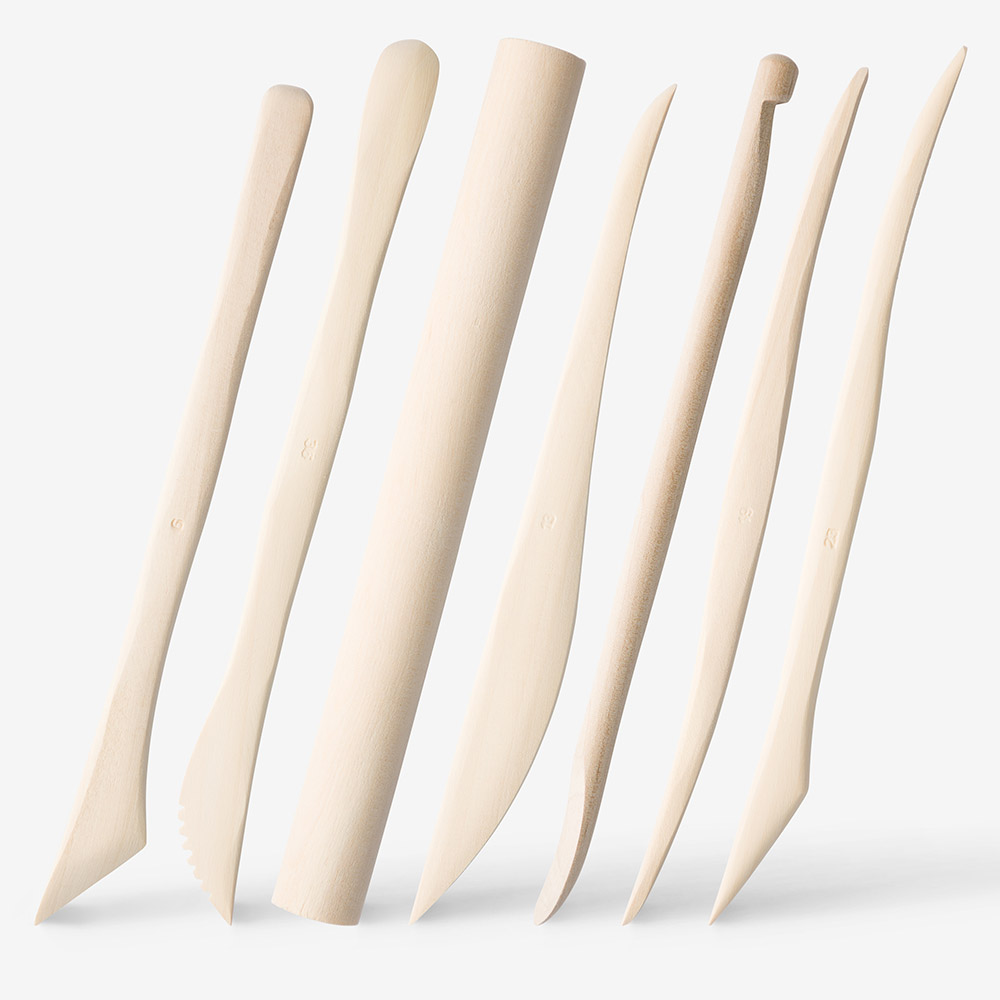

DAS Professional Modelling Rolling Pin – Durable Plastic, 2.5-5mm
Offers: 3
DAS Steel Spatula Set of 2 with Wooden Handles
Offers: 4

DAS Vernidas Professional Varnish Set 75ml Gloss Finish
Offers: 3Ask almost anyone who did art at school in the UK and they’ll remember DAS: the white block of clay that you shaped, left to dry overnight and painted the next day. It’s one of those products that has barely needed to change, because it does exactly what it says. You model it like clay, leave it to dry in the air, and you end up with something solid and lasting, without needing a kiln.
DAS has been around since 1963, and its story is a nice one. It was created by Dario Sala, an Italian poet and writer, and the name DAS comes from his name. Today it’s made by the FILA Group, the Italian company founded in Florence in 1920 and now based in Milan. FILA also owns some of the best-known names in art materials, including Giotto, Lyra, Canson and Daler-Rowney, so DAS sits in very good company.
The secret of DAS is its mineral base. Instead of being fired in a kiln like traditional pottery clay, or baked in the oven like polymer clay, it hardens naturally as it dries in the air. Once dry, you can paint it with acrylics, poster paint or multi-surface markers, which makes it great for decorations, models, bowls, figures and school projects. It can also be used to cover other materials like wood, metal and glass, and it’s especially well suited to wood, cardboard and terracotta.
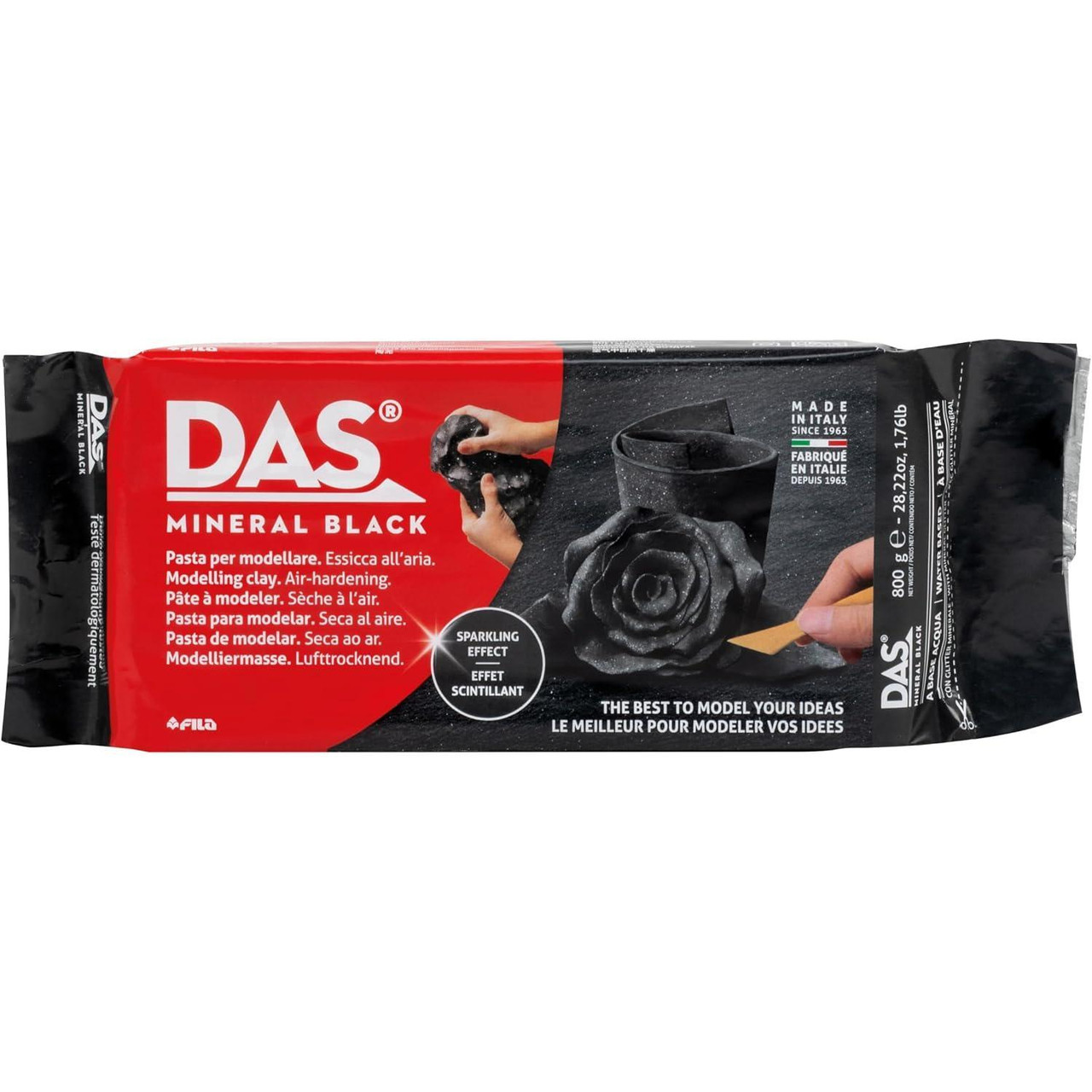
The range is simple. Classic white DAS is the one most people know, available in 150g, 500g and 1kg blocks, and ideal for sculptures, bas-reliefs and mosaics. DAS Terracotta has the warm, natural colour of fired clay, in 500g and 1kg blocks, so it’s perfect for anything you want to look like traditional terracotta pottery. DAS Stone is a stone-coloured version in 1kg blocks that dries to a natural, rough, porous finish, ideal for statues and sculptures that look like carved stone. Then there’s DAS Idea Mix, which lets you create a marbled effect.
In sixteen years in the art supplies industry, including nearly a decade running digital marketing at ARTdiscount, I’ve seen DAS sell steadily year after year, with big spikes in September when schools stock up and again before Christmas, when families get crafty. With two kids at home, I can tell you it’s also a lifesaver for a rainy weekend. In our community of 36,000 UK artists at Discount Art Supplies, it’s often recommended to begginers trying sculpture for the first time, as well as to more experienced artists for models, armatures and mixed-media work.
Getting the best deal on DAS comes down to a few things. First, compare prices before you buy. DAS is sold almost everywhere, from Hobbycraft and art shops to Amazon and supermarkets, and the price of the same block can vary a lot, so check our comparison above, which is updated in real time. Second, buy the 1kg block if you’ll use it. It nearly always works out much cheaper per gram than the smaller packs. Third, keep opened clay sealed in an airtight bag or tub, because it starts drying as soon as it meets the air, and you don’t want to waste it. And finally, watch for sales. DAS is often discounted around back-to-school and in the run-up to Christmas.
A few questions come up regularly. Does DAS clay need to be baked? No. DAS dries in the air, so you don’t need a kiln or an oven. How long does DAS take to dry? It depends on how thick your piece is and how warm and dry the room is. Small, thin pieces can dry overnight, while larger, thicker pieces take longer, so be patient and let it dry right through before painting. Can you paint DAS clay? Yes. Once it’s completely dry, you can paint it with acrylics, poster paints or multi-surface markers. Many people also varnish it afterwards for extra protection. Is DAS clay waterproof? No. Air-drying clay isn’t waterproof, so it isn’t suitable for anything that holds water or food. A coat of varnish helps protect it, but it still won’t make it watertight. What’s the difference between DAS white, terracotta and stone? They’re all air-drying clay. The difference is the colour and finish: white for painting, terracotta for a natural fired-clay look, and stone for a rough, carved-stone finish.
DAS has been helping people of all ages make things since 1963, and it’s still one of the easiest ways to start sculpting. Looking for a DAS sale, discount or discount code? Check the price comparisons above, updated in real time, and you’ll always know you’re getting the best current UK price.