Written by Paul Worrall
I still remember the first canvas I ever properly ruined — soaked a cheap stretched one with far too much water on an acrylic wash and watched it sag like a trampoline overnight. Nobody tells you that canvas choice matters until you’ve lost a painting to the wrong one, and it’s one of those purchases where the difference between a good and bad option isn’t always obvious from the product photo.
I’m Paul Worrall. I spent nearly a decade running digital marketing for ARTdiscount, one of the UK’s largest online art retailers, and I now run Discount Art Supplies — a price comparison platform used by over 41,000 UK artists every week. Canvas is one of those categories where the choice genuinely depends on what you’re painting, how big, and how often, so I’ve broken this down by format rather than just handing you a top five list.
Quick Picks
|
Stretched Canvas
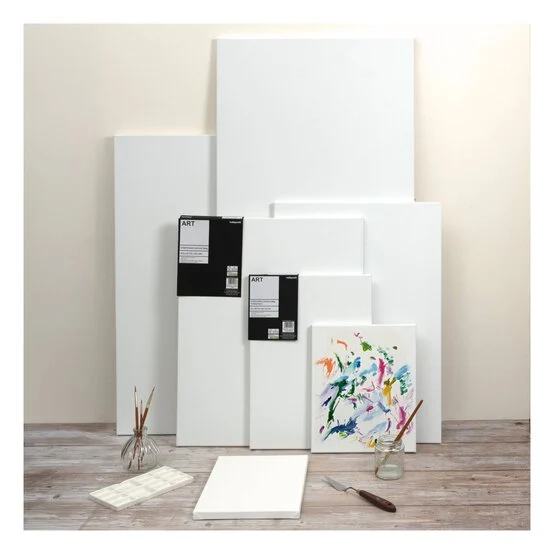
Stretched canvas is what most people picture when they think “canvas” — cotton or linen pulled taut over a wooden frame, or stretcher bars, and stapled or wedged at the back. It’s the standard for finished exhibition-ready work because it has that slight give under the brush that a rigid surface doesn’t, and it looks properly professional once framed or hung as-is. Winsor & Newton’s Classic range has been consistantly reliable in my experience — even tension across the whole surface, no slack corners out of the box, which is more common on cheaper stretched canvas than you’d expect.
The trade-off is durability in transit and storage. A stretched canvas dents if something’s leant against it, and the surface can slacken over time in humid rooms — genuinely worth keeping an eye on if you’re storing finished work rather than hanging it straight away. If you’re painting something you intend to sell or exhibit, stretched canvas is worth the extra cost. If you’re still developing a piece or working through studies, one of the flatter formats below will save you money without sacrificing much.
Canvas Boards and Panels
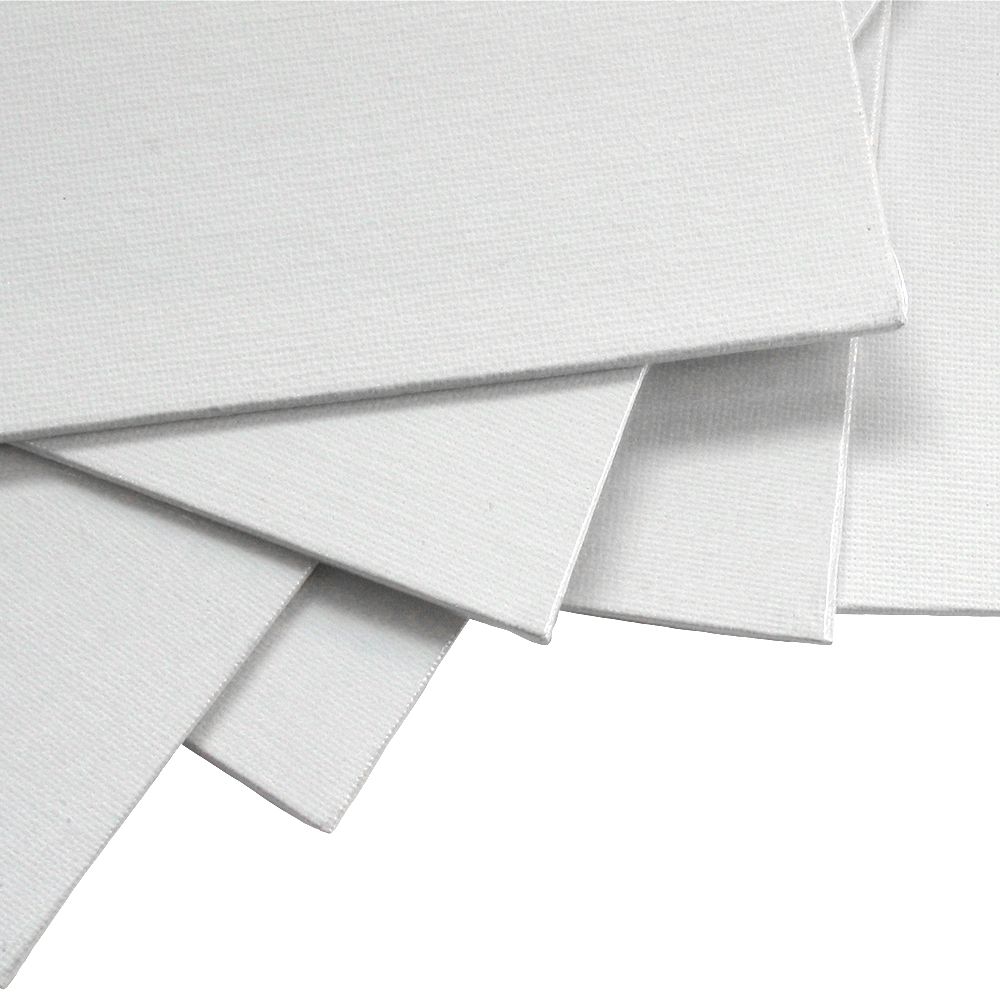
Canvas board is canvas fabric mounted onto a rigid backing — usually cardboard or MDF — and it’s the one I’d genuinely recommend to anyone starting out, or to anyone doing plein air or location work. It doesn’t flex under pressure the way stretched canvas does, which makes it far more forgiving for beginners still learning brush control, and it stacks flat for storage rather than needing wall space. Daler-Rowney’s canvas panels are the ones I keep coming back to — the texture is close enough to a proper stretched canvas that you’re not compromising much on surface feel.
Where boards fall down is presentation. A finished piece on board doesn’t have the same gallery-ready look as a stretched canvas, and if you’re planning to sell finished work, buyers do notice the difference. For practice pieces, studies, and anything under about A3, though, boards are genuinely the more sensible buy and significently cheaper per square inch than stretched equivalents.
Canvas Pads, Paper and Sheets
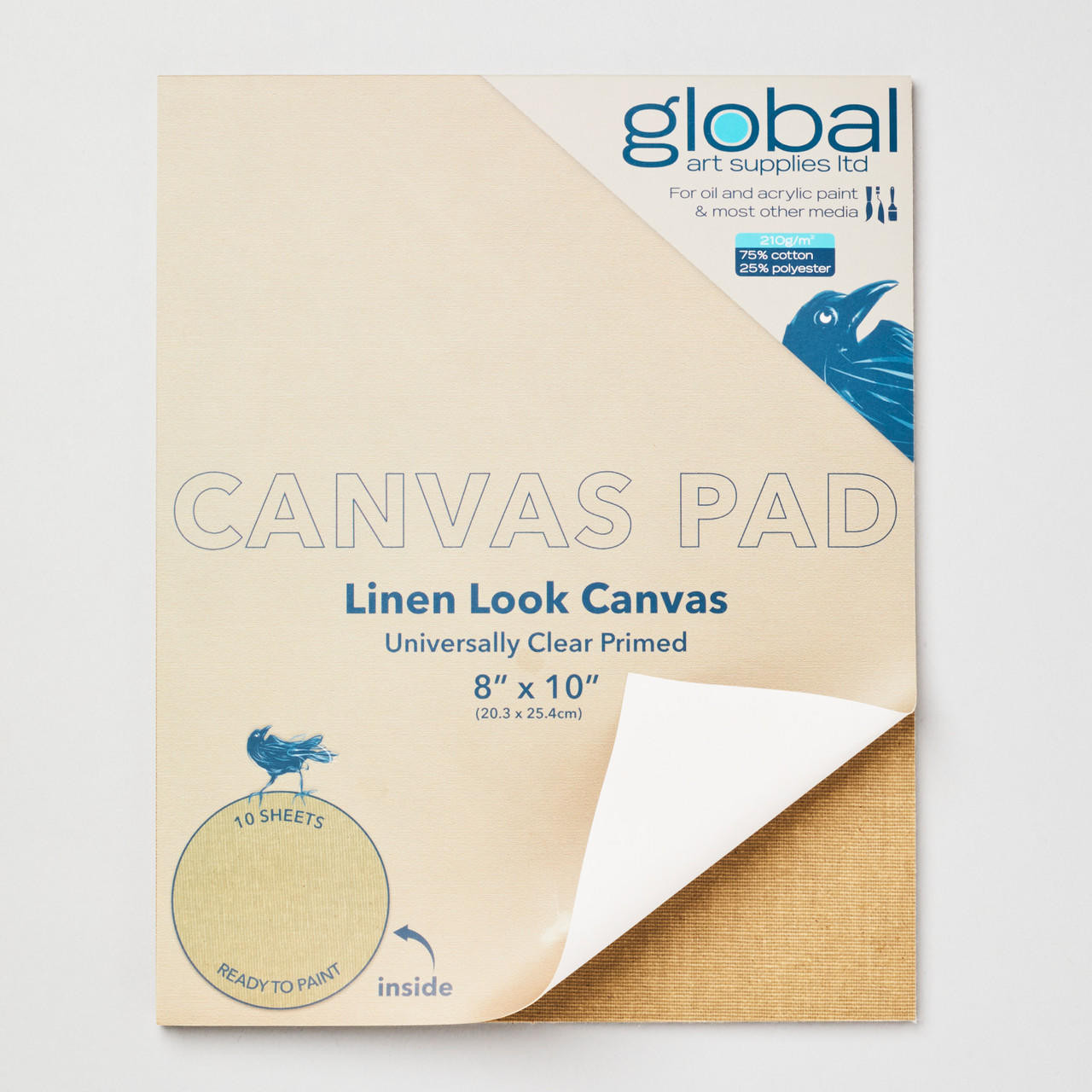
This is the one people overlook most, and it’s probably the best-value entry point into canvas painting there is. Canvas paper mimics the tooth and texture of real canvas but comes bound in pads like a sketchbook, which makes it brilliant for testing colour combinations, warming up before a bigger piece, or just painting for the sake of it without worrying about wasting an expensive surface. Seawhite’s canvas pads are the ones I’d point a beginner toward — the texture holds up well under acrylic without needing priming first.
It won’t replace a proper canvas for anything you want to frame or sell — the paper itself is thinner and doesn’t have the same rigidity or longevity as fabric on a frame or board — but as a practice surface it’s hard to beat on price, and it’s the format I’d genuinely recommend buying in bulk if you or your kids paint regularly.
Canvas Rolls
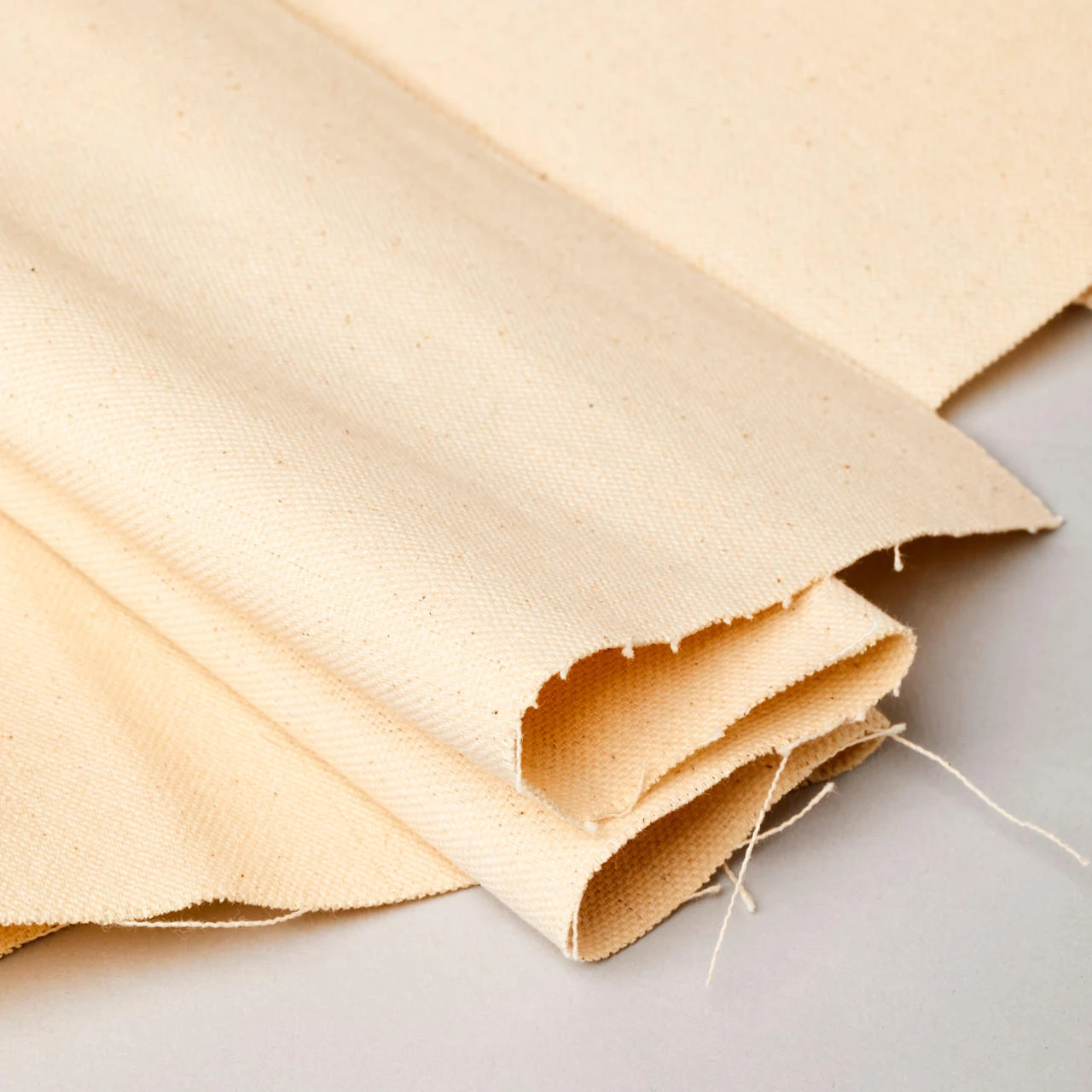
Buying canvas by the roll is the option most people don’t consider until they’ve been painting a while, and it’s genuinely the most cost-effective way to work if you’re producing large pieces or a lot of them. You cut and stretch it yourself onto your own frames, which means total control over size — useful if you paint anything outside standard proportions — and it works out significantly cheaper per canvas than buying pre-stretched, especially at the larger end where ready-made stretched canvas gets expensive fast.
The catch is obvious: you need to know how to stretch a canvas properly, or be willing to learn, and it’s an extra step that not everyone wants when they just want to start painting. If you’re already comfortable with a staple gun and stretcher bars, though, a roll of primed cotton duck canvas will save you real money over a run of paintings.
Cotton vs Linen Canvas
Cotton duck canvas is what most people use and what most pre-stretched canvas in the UK is made from — it’s affordable, holds paint well, and is more than good enough for the overwhelming majority of work. Linen is the step up used by a lot of professional oil painters: finer weave, more consistant tension, and it ages noticeably better over decades, which is really the only reason to pay the premium. Belle Arti’s Italian linen is the one I’d point toward if you’re working on something you genuinely expect to outlast you — for anything else, cotton is the sensible, accessable choice and nobody painting in acrylic is likely to notice the difference.
Oil vs Acrylic on Canvas
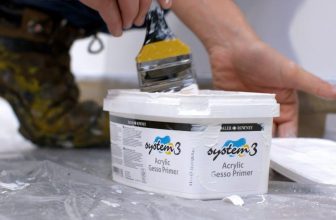
Most modern pre-primed canvas is prepped with acrylic gesso, which works fine for both acrylic and oil paint — but if you’re working exclusively in oils, it’s worth checking the primer isn’t purely acrylic-only rated, since oil paint’s longevity depends on the ground being compatible over the long term. Unprimed or raw canvas needs sizing and gesso before either medium goes near it, whichever you’re using, or you risk the paint sinking straight into the fibre and rotting it over time — genuinely one of the more expensive mistakes to make if you skip it.
Sizing: When to Go Large
Large and extra-large canvases get expensive fast when bought pre-stretched, which is exactly where the roll option above starts to make financial sense. If you only need one big piece a year, buying pre-stretched is still the easier route — but if large-format work is becoming a regular thing, it’s worth doing the maths on cutting your own from a roll, because the saving scales with size.
FAQ
Do I need to prime a canvas before painting?
Most shop-bought stretched canvas, boards and pads come pre-primed with gesso and are ready to paint on straight away. Canvas bought by the roll or raw/unprimed canvas needs priming first.
What’s the cheapest way to start painting on canvas?
Canvas paper pads, by some distance — they’re the closest thing to real canvas texture at a fraction of the cost of stretched canvas, and ideal for practice.
Is linen canvas worth the extra cost for a beginner?
Honestly, no. Linen’s benefits are mostly about long-term archival quality, which matters far more once you’re producing work you intend to sell or keep for decades. Cotton canvas is the sensible choice while you’re still developing.
Prices on canvas vary more between UK retailers than most people expect, especially on the larger sizes, so it’s always worth a quick check before buying. At Discount Art Supplies we compare prices across all the major UK art retailers in real time, so you can find the best current deal before you buy.