Written by Paul Worrall
A genuinly good drawing board is one of those purchases that looks simple until you actually need one — flat surface, right angle, done. In practice, the size you buy, whether it’s fixed or adjustable, and what it’s actually made from all genuinly change how comfortable and accurate your work is, especially for anything technical, architectural, or requiring consistent straight lines.
I’ve spent 16 years in the UK art supplies industry and now run Discount Art Supplies, used by over 41,000 UK artists every week. This is the honest breakdown of what’s actually worth buying.
Quick Picks — Best Drawing Boards UK
Best overall: Blundell Harling A2 Adjustable Board — Buy on Amazon
Best for technical drawing: Rotring Drawing Board — Buy on Amazon
Best portable: Daler-Rowney Lightweight A3 Board — Buy on Amazon
Best budget/student: Helix A3 Drawing Board — Buy on Amazon
Best for larger studio work: A1 Studio Drawing Board — Buy on Amazon
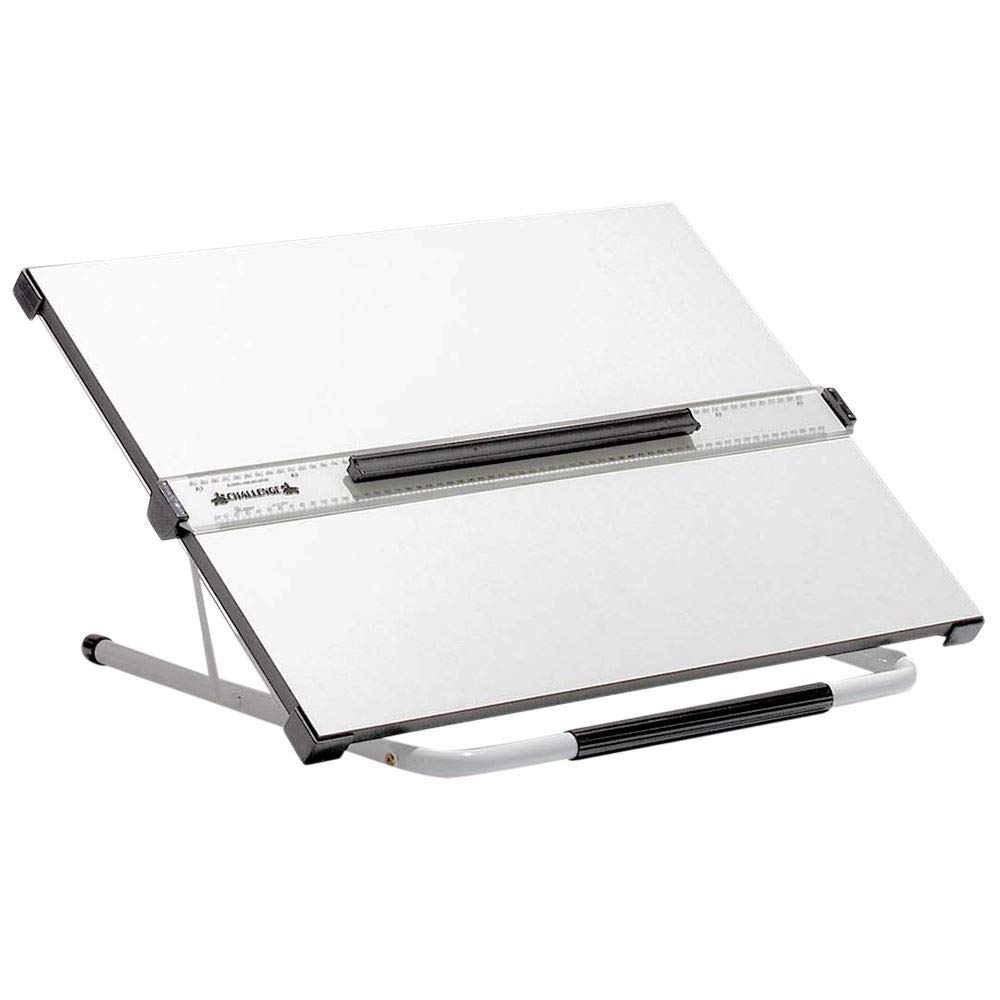
1. Blundell Harling A2 Adjustable Board — Best Overall
Blundell Harling is a genuinly well-established name in UK technical and architectural drawing equipment, and their adjustable boards reflect that heritage — a stable, true-flat working surface with an angle mechanism that holds firmly rather than slipping under pressure, which matters more than people expect once you’re leaning into detailed work for an hour at a time.
A2 genuinly hits the sweet spot for most artists and students — large enough for serious work, portable enough to move between a desk and a table without becoming a genuine chore. It’s a sensible default for anyone who doesn’t already know they need a bigger or smaller format specifically.
🔍 Compare Blundell Harling Prices → 🛒 Buy on Amazon2. Rotring Drawing Board — Best for Technical Drawing
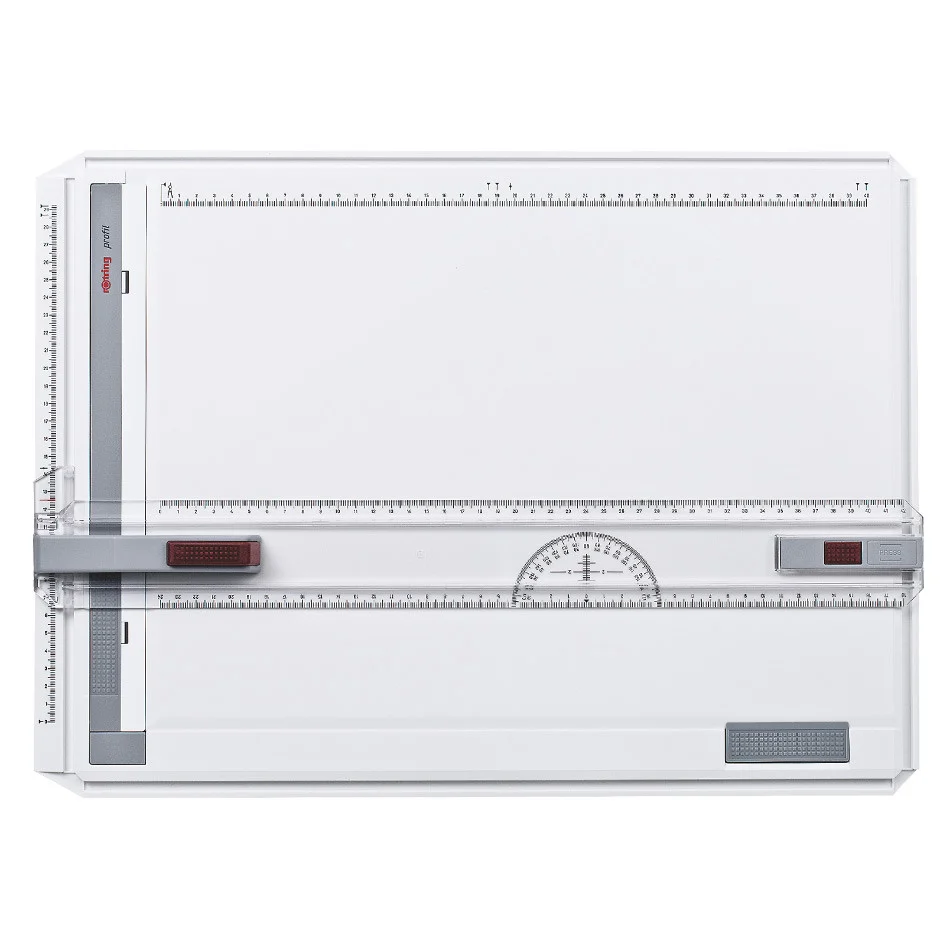
Rotring’s reputation was genuinly built on precision technical drawing equipment, and their boards are designed specifically around that use case — a reliably true, dead-flat surface that pairs properly with parallel motion rulers and technical pens for architectural, engineering and drafting work, rather than general sketching.
If your work is genuinly technical rather than expressive — plans, diagrams, precise linear work — this is the category to buy from. It’s overkill for casual sketching, but exactly right for the audience it’s built for.
🔍 Compare Rotring Prices → 🛒 Buy on Amazon3. Daler-Rowney Lightweight A3 Board — Best Portable
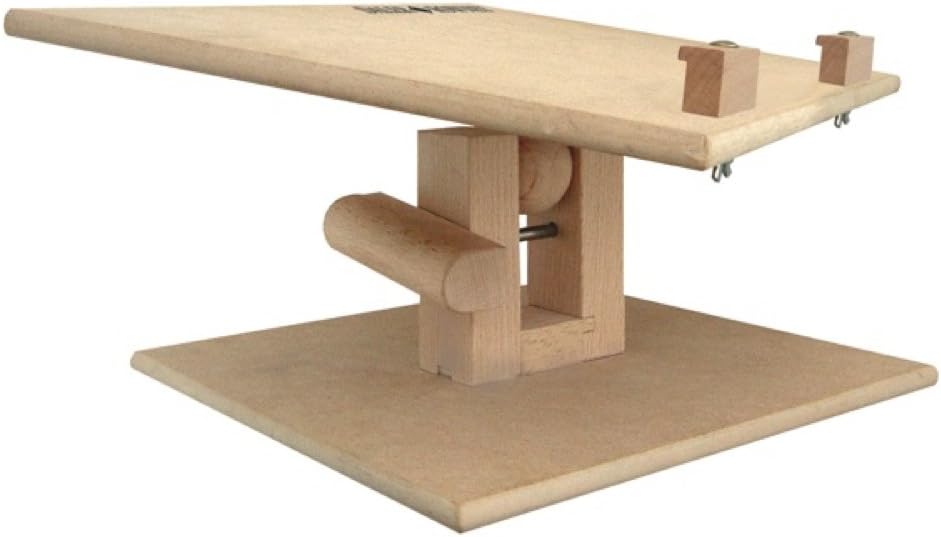
For anyone genuinly working on location, moving between classes, or simply wanting a board that lives in a bag rather than on a desk permanently, Daler-Rowney’s lightweight A3 option is a sensible, well-made choice. It sacrifices some of the rigidity of a heavier studio board, but for portable use that’s a fair trade against the genuine convenience of carrying it easily.
A3 is the practical sweet spot for portability specifically — large enough for real sketching and study work, small enough to fit in a standard art portfolio or bag without becoming awkward.
🔍 Compare Daler-Rowney Prices → 🛒 Buy on Amazon4. Helix A3 Drawing Board — Best Budget/Student
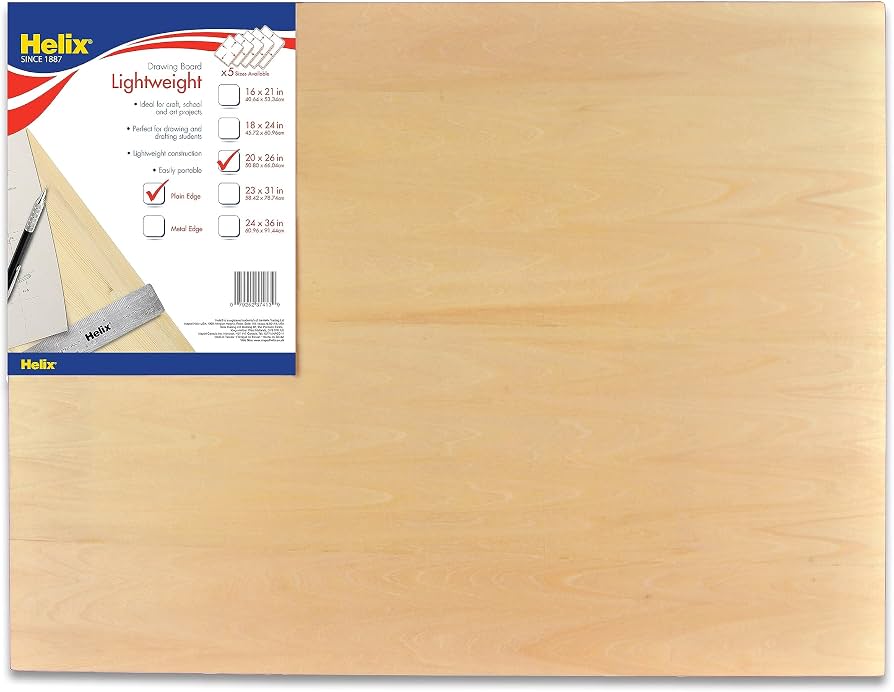
Helix is a genuinly reliable UK name for affordable stationery and drawing equipment, and their basic A3 boards do exactly what a student or beginner actually needs — a flat, stable surface at a price that makes sense before committing to more specialist equipment. It won’t match a technical board’s precision hardware, but it’s honest value for genuinly casual or educational use.
Worth buying if you’re testing whether you need a dedicated board at all, or equipping a classroom or group setting where cost per unit genuinly matters.
🔍 Compare Helix Prices → 🛒 Buy on Amazon5. A1 Studio Drawing Board — Best for Larger Studio Work
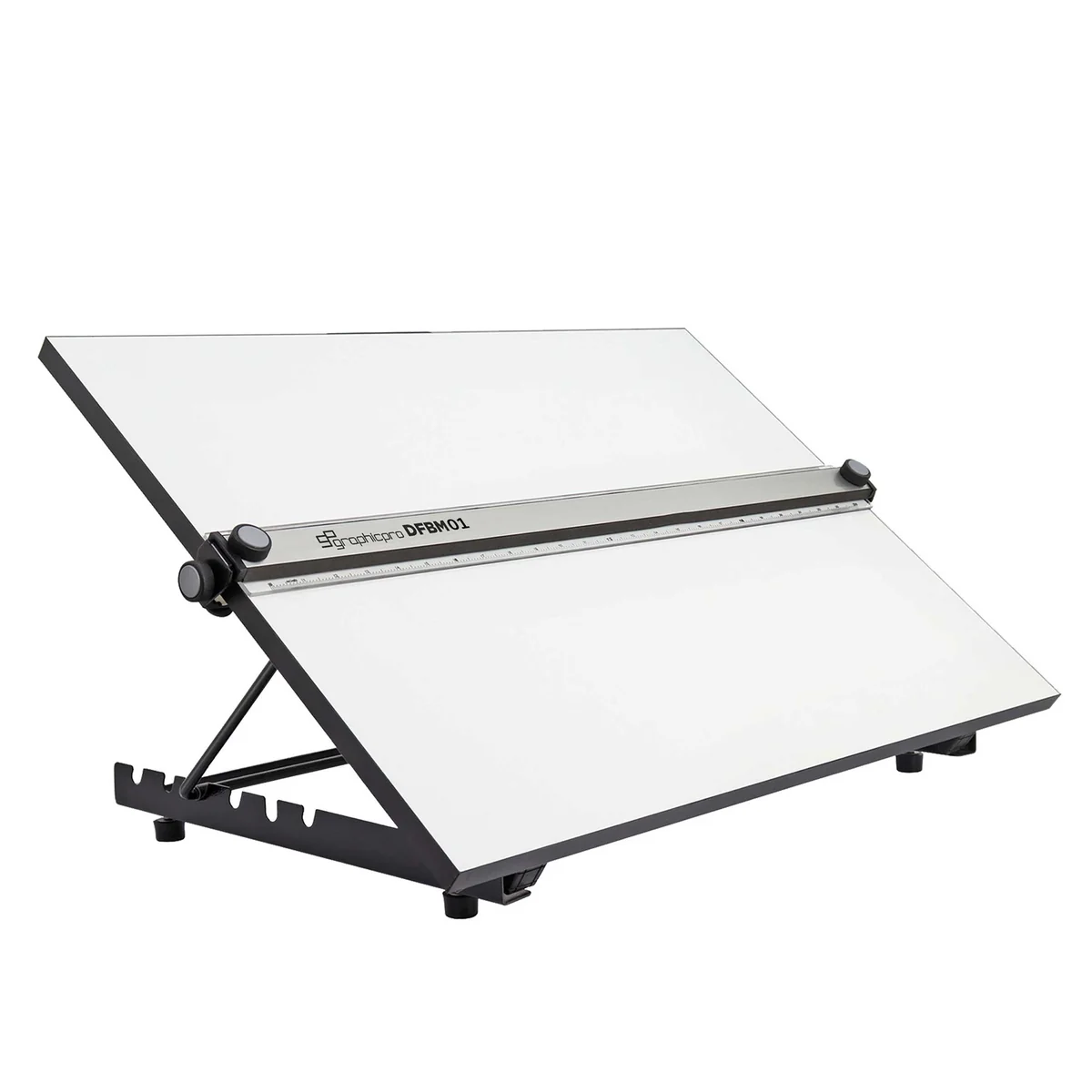
For genuinly large-scale work — big compositions, architectural presentation drawings, anything where A2 starts to feel restrictive — stepping up to A1 gives real working room. It’s a considered purchase rather than a default, since A1 boards are genuinly less portable and need a proper dedicated space to use comfortably.
Worth it specifically once you know your work regularly needs that scale, rather than buying large “just in case” and finding it awkward for smaller, more frequent tasks.
🔍 Compare A1 Board Prices → 🛒 Buy on AmazonA1 vs A2 vs A3 — Which Size Do You Actually Need?
A3 is genuinly the most practical all-round size for sketching, study work and portability — it fits in a bag, works on most desks, and suits the majority of casual and student use.
A2 is the sensible step up for anyone doing more serious, regular work who wants real working space without committing to a board that dominates a room. It’s the size most technical and architecture students end up using day to day.
A1 is for genuinly large-scale work specifically — presentation drawings, big compositions, anything where the extra space is a real functional need rather than a nice-to-have.
Drawing Board Clips and Accessories
A board on its own only does half the job — proper clips or bulldog-style board clips hold paper securely without the shifting or wrinkling that tape can cause over a working session, and they’re genuinly worth the small extra cost for anyone doing detailed or technical work where paper movement would ruin accuracy.
Which Should You Buy?
If you want a genuinly solid all-rounder, the Blundell Harling A2 is the sensible default. For serious technical or architectural drawing, Rotring is the specialist choice. Daler-Rowney’s lightweight A3 suits anyone working on the move, and Helix is where to start if you’re a student or beginner not yet ready to invest heavily. Step up to A1 only once you know your work genuinly needs that scale.