
Written by Paul Worrall
Charcoal gets treated as the warm-up act of the art world — something you sketch with before moving on to “real” materials. The artists in this list prove that’s never been true. Some used charcoal as a working tool to solve problems in paint or marble. Others built entire careers on it, treating a stick of burnt wood as seriously as anyone treats oil paint. Worth knowing both kinds, because they show just how far the medium actually stretches.
I’m Paul Worrall. I spent nearly a decade running digital marketing for ARTdiscount, one of the UK’s larger online art retailers, and I now run Discount Art Supplies — a price comparison platform used by over 28,000 UK artists every week. Here’s a mix of historical masters and contemporary names worth knowing if charcoal is your medium, or might become it.
The historical masters
Michelangelo
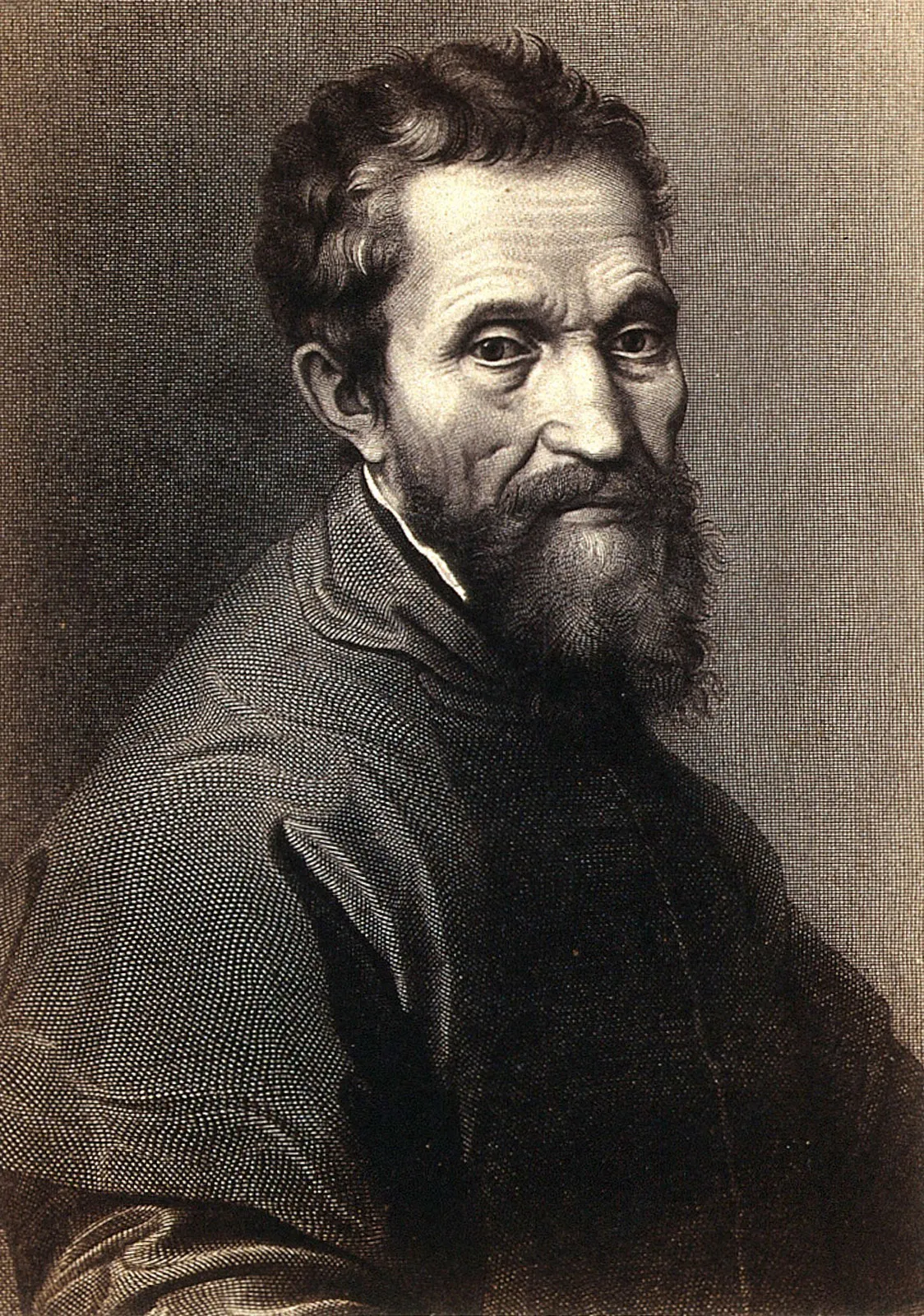
Best known for sculpture and the Sistine Chapel ceiling, Michelangelo used charcoal constantly as a working tool — bold, decisive studies for figures that would later become paintings or sculptures. His charcoal drawings weren’t precious finished pieces so much as thinking made visible: working out anatomy, weight and movement before committing to the far less forgiving medium of marble or fresco.
Leonardo da Vinci

Da Vinci’s charcoal studies show the same obsessive attention to anatomy and light that defines his paintings. His handling of sfumato — soft, blurred transitions between light and shadow — translates naturally to charcoal’s ability to smudge and blend, and several of his surviving charcoal studies, including a well-known female head study, remain some of the most technically studied drawings in art history.
Edgar Degas

Degas used charcoal alongside pastel to capture movement — dancers mid-motion, horses, everyday Parisian scenes — with a looseness and energy that suited the medium’s capacity for quick, expressive line. His charcoal work shows a different use of the medium to Michelangelo’s: less about precision, more about capturing something fleeting before it’s gone.
Käthe Kollwitz

Kollwitz, a German artist working through the early 20th century, used charcoal to depict poverty, grief and the toll of war with a rawness that’s remained influential ever since. Her charcoal work, including pieces addressing the death of a child, is often cited as some of the most emotionally direct social-commentary art of the period — proof that charcoal’s starkness can carry weight that colour sometimes softens.
Contemporary charcoal artists
Robert Longo
Longo is arguably the single best argument that charcoal deserves to be taken as seriously as oil painting. His “Men in the Cities” series, begun in the early 1980s, consists of monumental charcoal and graphite drawings of business-suited figures caught in contorted, ambiguous poses — drawings so large and so precisely rendered they read as photorealistic from a distance. The series became closely associated with 1980s New York and has since been referenced everywhere from “American Psycho” to “Mad Men”. Longo has continued working almost exclusively in large-scale charcoal for over four decades, tackling subjects from Occupy Wall Street to the refugee crisis, and his work now sits in the collections of the Whitney, the National Gallery of Art and the Centre Pompidou.
What makes Longo worth studying isn’t just scale — it’s proof that charcoal can hold a wall the way a painting does, and that a medium often treated as preparatory can be the entire, finished statement.
Why this matters if you’re picking up charcoal yourself
These artists used charcoal for genuinely different reasons: Michelangelo as a problem-solving tool, Degas to catch motion before it vanished, Kollwitz because starkness suited grief better than colour, Longo because scale and precision could make the medium the whole point rather than a step toward one. There’s no single “right” way to use charcoal, and that’s really the takeaway — whether you’re using it to plan a painting or to make the finished piece, you’re in genuinely serious company.
If you’re picking up charcoal for the first time, it’s worth getting a feel for the different types — willow, compressed, and charcoal pencils all behave differently on paper.
As always, check Discount Art Supplies before you buy — we compare prices across major UK retailers in real time, so you’re getting the best deal going.