Written by Paul Worrall
Nothing ruins a good brush faster than a bad clean. Most brushes don’t wear out, they get killed: paint left to dry in the base of the bristles, a brush left standing head-down in a water pot overnight, a quick rinse that leaves the ferrule full of pigment. A decent brush can last years if you look after it, and a few minutes at the end of each session is all it takes.
I’m Paul Worrall. I spent nearly a decade running digital marketing for ARTdiscount, one of the UK’s largest online art retailers, and I now run Discount Art Supplies, a price comparison site used by over 28,000 UK artists every week. After sixteen years in this industry, I’ve noticed that brushes are one of the things artists replace far more often than they need to. This guide covers how to clean paint brushes used with acrylic, watercolour and gouache, and how to rescue the ones that have already gone stiff.
Brush Cleaning Kit: Quick Picks
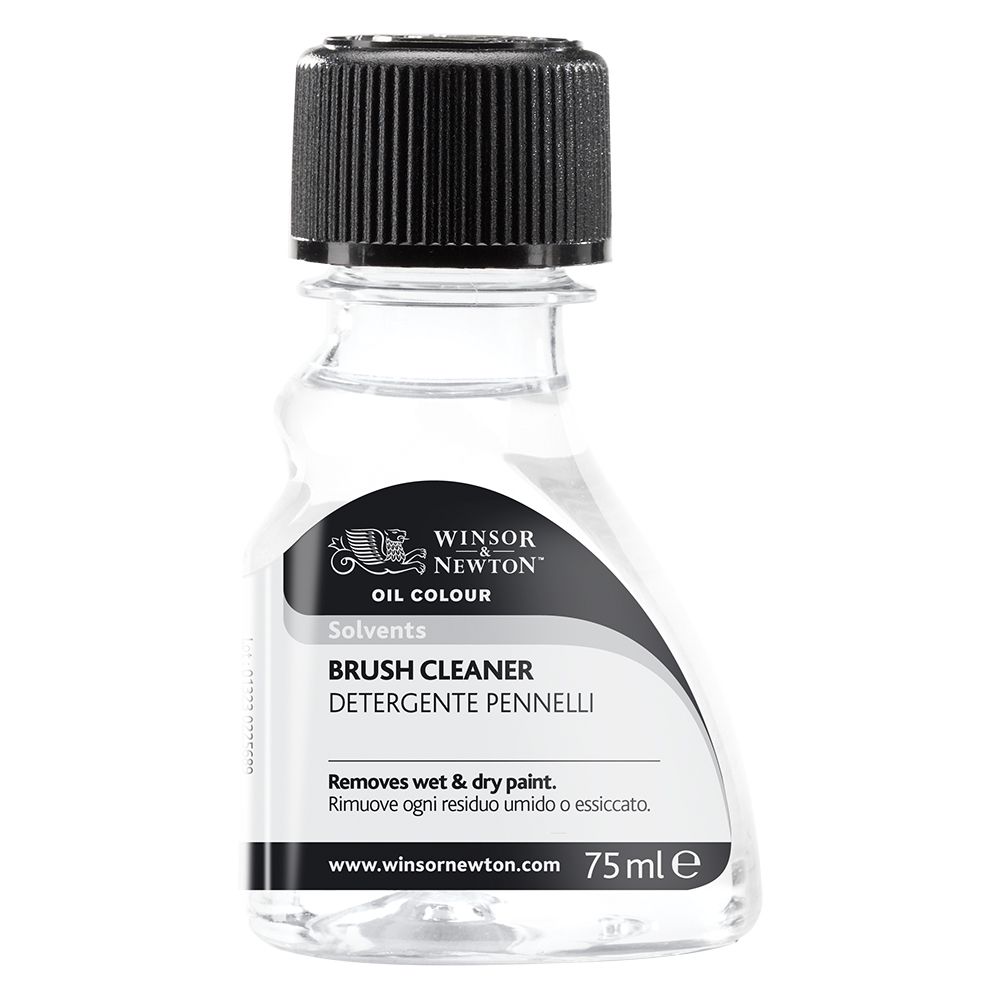
Best for dried acrylic: Winsor & Newton Brush Cleaner & Restorer
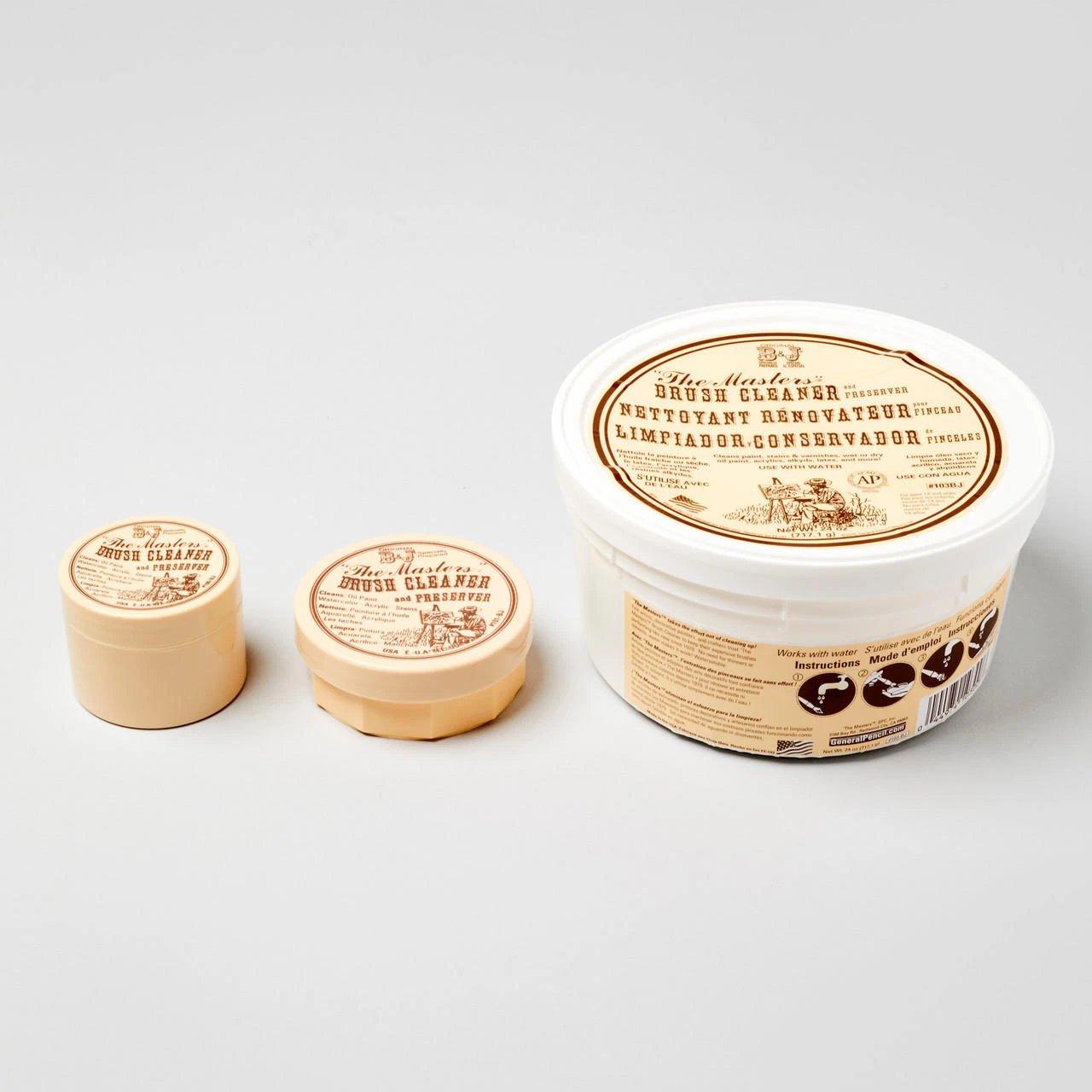
Best brush soap: The Masters Brush Cleaner and Preserver
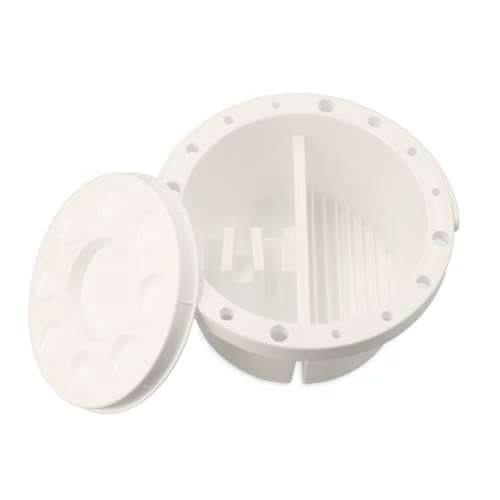
Best rinse pot: Brush washer with ridged base
Best for drying: Brush drying rack
Best budget replacements: Synthetic acrylic brush set
How to Clean Paint Brushes: The Basic Method
The method is almost the same for acrylic, watercolour and gouache, because all three are water-based. Winsor & Newton’s own guides recommend the same steps for both acrylic and watercolour brushes, and it’s the routine I’d suggest to anyone.
First, wipe off as much paint as you can on a rag or a piece of kitchen roll. The less paint you wash down the sink, the better, and it makes the rest of the job quicker. Then rinse the brush under running water. Next, put a little mild soap in the palm of your hand and gently swirl the brush in it with cool or lukewarm water. You’ll see colour coming out of the bristles. Rinse, and repeat untill the water and lather run clear.
Pay most attention to the base of the bristles, where they meet the metal ferrule. That’s where paint builds up unseen, and it’s what makes a brush splay out and lose its point. Gently work the soap into that area with your fingers, but don’t bend the bristles hard against the ferrule.
Finally, squeeze out the water, reshape the head with your fingers into its original point or edge, and leave it to dry. Don’t worry if some colour stays in the bristles. Winsor & Newton say a little staining from certain pigments is normal and doesn’t affect how the brush performs.
How to Clean Acrylic Paint Brushes
Acrylic is the one to be careful with, because once it dries it’s no longer water-soluble. It sets into a plastic-like film, and in the base of a brush that means stiff, clumped bristles that won’t come back with soap and water. The golden rule is never let acrylic dry on a brush.
Wash acrylic brushes as soon as you’ve finished. If you’re painting for a few hours, rinse brushes as you go rather than leaving them loaded with paint on the side of the palette. If you can’t wash them properly straight away, Winsor & Newton suggest keeping them in water until you can, but only for a short while, and lie them flat or rest them in a holder rather than standing them on their tips.
Ordinary mild soap is fine for day-to-day cleaning. A brush soap like The Masters Brush Cleaner and Preserver is worth having if you paint regularly, as it’s designed to lift pigment out of the bristles and condition them at the same time. You’ll find it at Cass Art and plenty of other UK retailers.
Check price on AmazonCompare prices
How to Clean Watercolour and Gouache Brushes
Watercolour and gouache stay soluble even when dry, so these brushes are much more forgiving. A rinse in clean water during painting and a proper wash at the end of the session is usually all they need. Use mild soap, and avoid strong soaps or washing-up liquid on natural-hair brushes, as Winsor & Newton warn that strong soaps can strip the natural oils from the bristles. Use cool or lukewarm water, never hot.
Watercolour brushes, especially sable or other natural hair, are often the most expensive brushes an artist owns, so they’re worth treating gently. Rinse, wash, reshape the point and let them dry properly before putting them away.
Gouache is handled the same way. It’s thicker than watercolour, so take a bit more care to get all the paint out of the base of the bristles.
How to Dry and Store Brushes
Drying is where a lot of brushes get ruined. Blot off the excess water with a lint-free cloth or kitchen roll, reshape the head, then let it dry either lying flat or standing upright with the bristles facing up. Never stand a wet brush head-down in a pot. The bristles bend permanently and water runs down into the ferrule, which can loosen the glue and rot wooden handles over time.
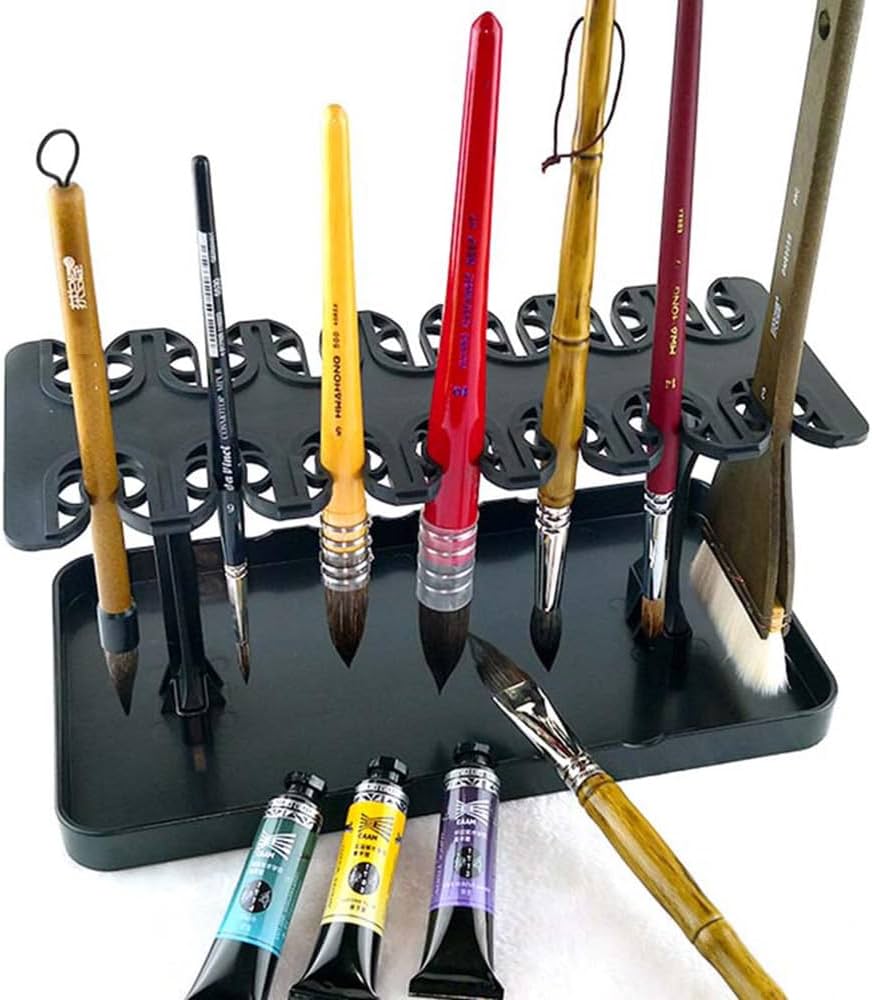
Only put brushes back in a jar or roll once they’re completely dry. A cheap brush drying rack does the job well if you have lots of brushes, and a rinse pot with a ridged base makes cleaning between colours easier while you paint. With two kids in the house who treat brush care as optional, a proper rinse pot has saved more brushes in our house than I’d like to admit.
How to Clean Paint Brushes That Are Stiff or Dried
If a brush has gone hard, don’t throw it away straight away. How much you can rescue depends on the paint.
Watercolour or gouache: soak the bristles in warm water for a few minutes, then wash as normal with soap. Because these paints re-dissolve, stiff brushes usually come back fully.
Acrylic: soap and water won’t work once acrylic has fully dried. A dedicated brush cleaner is the most reliable option. Winsor & Newton’s Brush Cleaner & Restorer is sold for removing dried acrylic, oil and alkyd paint, and the company recommends soaking dried acrylic brushes in it overnight, then washing with soap and water until it runs clear. Suspend the brush so the bristles aren’t resting on the bottom of the jar, and keep the cleaner off the handle, as the manufacturer warns against contact with painted or varnished surfaces.
Results vary. A brush with a bit of dried paint at the tip will often come back nicely. One that’s been left solid with acrylic for months may never get its shape back, and at that point it’s better repurposed for texture work, glue or varnish, or replaced.
Check price on AmazonCompare prices
Can You Clean Paint Brushes With Vinegar?
You’ll see plenty of advice online about soaking stiff brushes in warm white vinegar, and some artists swear by it for softening dried acrylic. It’s cheap and worth a try on an old brush. I’d treat it as a last resort rather than a first choice, though. It’s not a method the paint manufacturers recommend, and on a good natural-hair brush I’d rather use a dedicated cleaner made for the job. If you do try it, rinse the brush thoroughly and wash it with soap afterwards.
What About Oil Paint Brushes?
Oil paint is a seperate job. It doesn’t wash out with water, so you need to remove most of the paint with a solvent or a solvent-free cleaner first, then finish with soap and water. That deserves its own guide, which I’m putting together next. In the meantime, you can compare prices on odourless solvents and solvent-free cleaners.
If you mean brushes used for household paint, like gloss, emulsion or satinwood, that’s a decorating job rather than an art one, and the paint manufacturer’s instructions on the tin are the best place to start.
Should You Pour Paint Water Down the Sink?
It’s worth thinking about, especially with acrylic, which is a plastic polymer. A common approach is to wipe as much paint off your brushes as possible before rinsing, then leave your rinse water to stand so the solids settle, pour the clearer water off and scrape or dry the sludge out to go in the bin. Your local council’s guidance on paint disposal is the final word, and it varies from area to area.
When to Replace Your Brushes
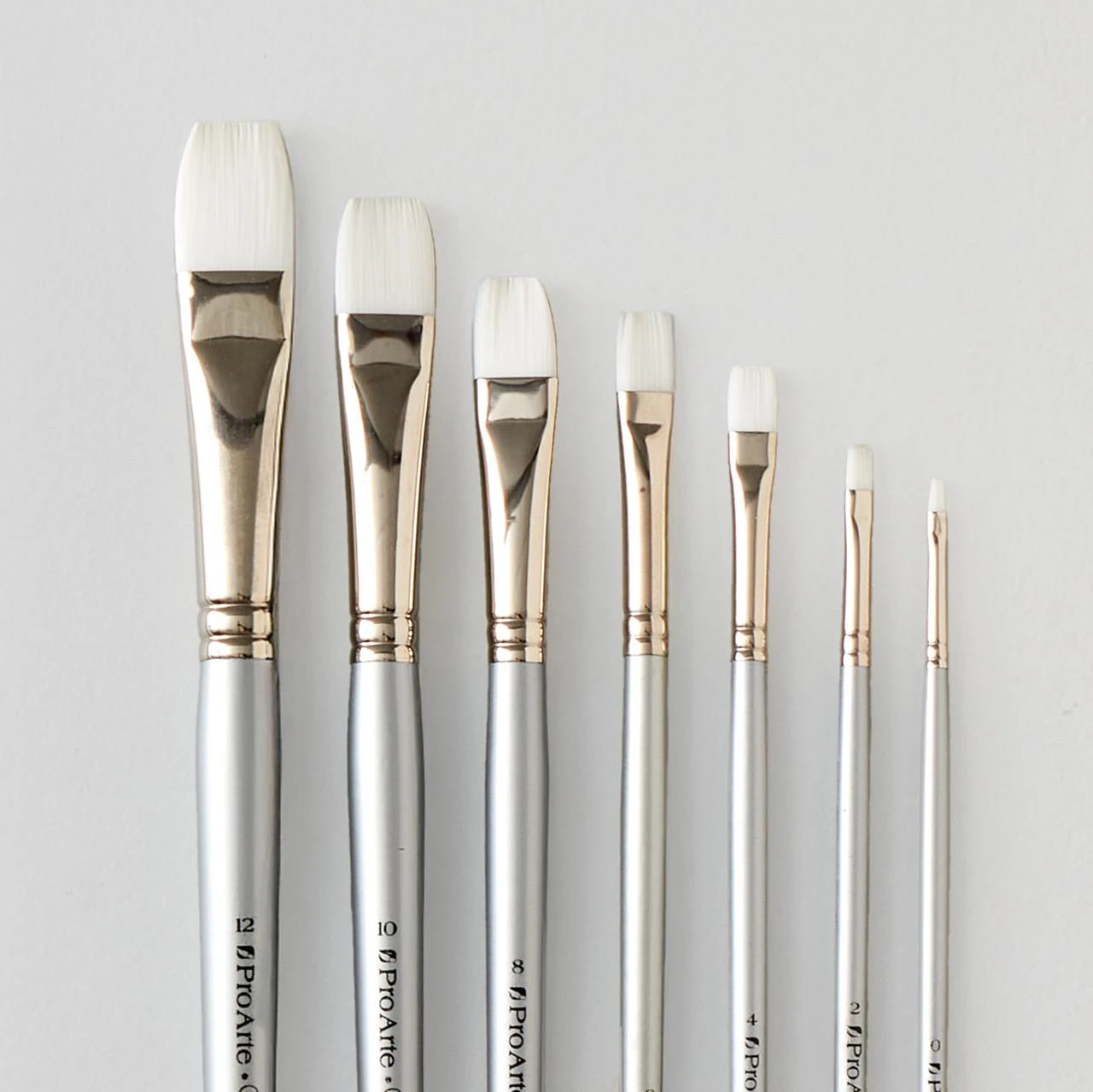
Even well-cared-for brushes wear out eventually. If a round brush won’t hold a point, a flat has splayed into a fan, or bristles are falling out every time you paint, it’s time. Synthetic brushes are cheap enough now that a decent set costs less than a takeaway, and occassionally you’ll find a big discount on brush sets during the major art retailer sales. Our brush price comparison shows UK retailers side by side, and if you’re painting on new surfaces too, my guide to the best gesso primer is a good next read.
Check price on AmazonCompare prices
Frequently Asked Questions
How do you clean paint brushes? Wipe off excess paint, rinse under running water, then wash gently in mild soap and cool or lukewarm water until the water runs clear. Reshape the bristles and dry the brush flat or standing upright with the bristles facing up.
How do you clean acrylic paint brushes? Wash them straight after painting with mild soap and water, paying attention to the base of the bristles. Never let acrylic dry on a brush, as dried acrylic won’t wash out with water.
How do you soften a stiff paint brush? For watercolour or gouache, soak in warm water and wash with soap. For dried acrylic, soak overnight in a dedicated brush cleaner such as Winsor & Newton Brush Cleaner & Restorer, then wash with soap and water.
Can you clean paint brushes with vinegar? Some artists soak stiff brushes in warm white vinegar to soften dried acrylic. It’s not a manufacturer-recommended method, so try it on old brushes first and rinse and wash thoroughly afterwards.
Should you leave paint brushes in water? Only for a short time if you can’t wash them straight away, and never standing on their tips. Leaving brushes in water for long periods bends the bristles and can damage the ferrule and handle.
Look after your brushes and they’ll look after your painting. A few minutes at the end of each session saves you money, and when it’s time to replace them, check the prices first. We compare UK retailers so you can see who’s cheapest without opening ten tabs. If you’d like to hear about brush sales as they land, join the newsletter or our Facebook group of 15,000+ artists.