
Written by Paul Worrall
The paper you use with alcohol markers matters more than most beginners expect — and the wrong choice ruins perfectly good marker work in ways that feel like a technique problem when they’re actually a materials problem. Bleed-through, feathering at the edges of strokes, colours that look dull rather than vibrant, blending that won’t work smoothly — all of these can be caused entirely by using the wrong paper rather than any fault with the markers themselves or with your technique.
I run Discount Art Supplies — a price comparison platform used by over 36,000 UK artists every week — and paper for alcohol markers comes up constantly in our community, usually from artists who’ve bought a good set of markers and are frustrated by results that should be better. Almost always the paper is the issue. Here’s the honest guide to what works, what doesn’t, and what’s worth spending money on. Check our live marker paper price comparison before buying.
⭐ Best Paper for Alcohol Markers — Quick Picks
Best overall — professional standard: Copic X-Press It Blending Card — the benchmark paper for serious alcohol marker work. Semi-coated, allows repeated blending passes, holds heavy layering.
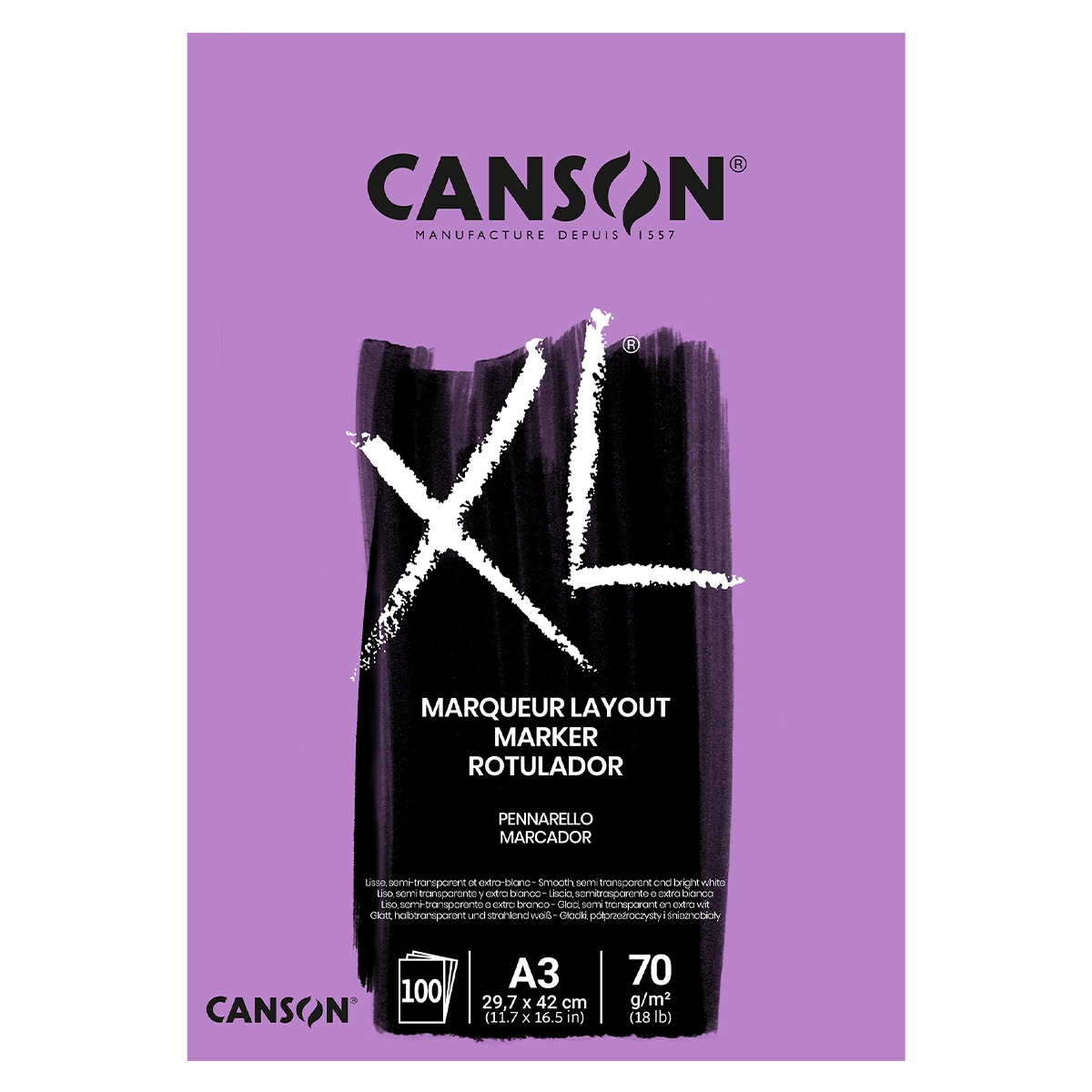
Best mid-range marker pad: Canson Marker pad — smooth, consistent bleed-resistant surface, widely available in UK art shops, the reliable mid-range choice.
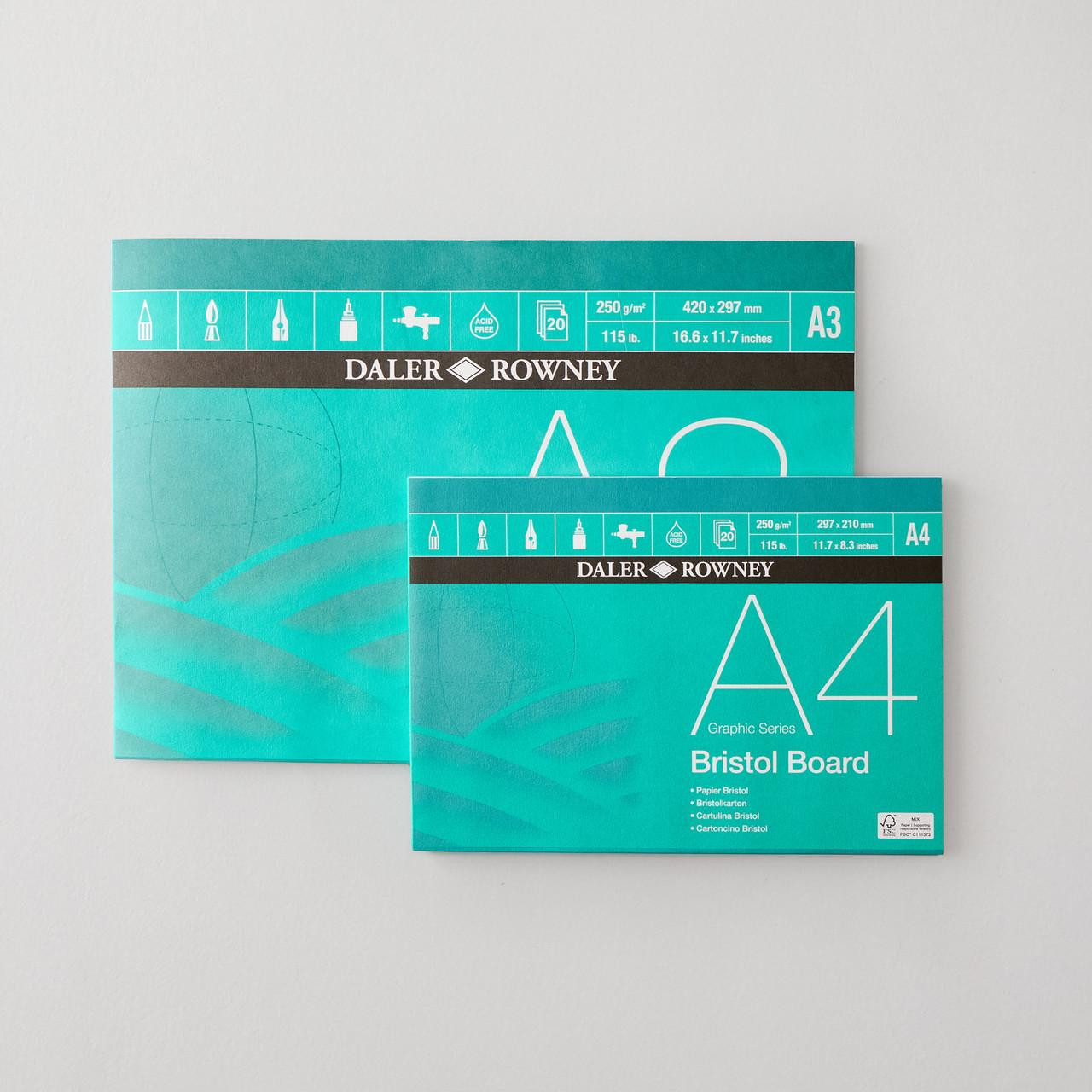
Best for versatility: Bristol Board (smooth) — works beautifully with alcohol markers, also compatible with coloured pencil, ink and fine liners. The most versatile surface.
Best budget practice paper: Bleedproof Marker Paper Pad — for daily practice without using expensive professional paper on every session.
What to avoid: Standard printer paper, regular sketchbook paper, watercolour paper — all bleed through with alcohol markers regardless of weight.
Why Paper Makes Such a Difference With Alcohol Markers
Alcohol markers use alcohol-based ink that flows and penetrates paper differently to water-based media. The alcohol solvent carries ink deep into paper fibres quickly — which is what allows the smooth, fast blending that makes alcohol markers so distinctive to use. On paper with the wrong characteristics, that same property causes three specific problems.
Bleed-through happens when ink soaks completely through the page and marks whatever is underneath. Standard printer paper, regular sketchbook paper and lightweight cardstock all bleed through with alcohol markers regardless of how careful you are. The solution is paper with a coating or fibre density that prevents the alcohol solvent from penetrating all the way through.
Feathering happens when ink spreads beyond the intended stroke along paper fibres — producing fuzzy, undefined edges rather than clean lines. This is caused by paper with loose fibres that wick the alcohol solvent sideways. Smooth, coated papers prevent feathering by not having exposed fibre pathways for the ink to travel along.
Poor blending happens when paper absorbs ink too quickly, preventing the wet-into-wet blending that alcohol markers are known for. The best marker papers have a slight coating that keeps ink workable on the surface for long enough to blend smoothly before it sets.
What matters in alcohol marker paper is not primarily weight — it’s the coating, fibre density and surface smoothness. A 75gsm dedicated marker paper will outperform a 200gsm general watercolour paper every time.
Copic X-Press It Blending Card — The Professional Benchmark
UK Price Comparison
🔍 Compare Marker Paper Prices → 🛒 Buy on Amazon →Copic X-Press It Blending Card is the paper most consistently recommended by professional alcohol marker artists and is engineered specifically for Copic ink chemistry — though it performs excellently with Ohuhu, Promarker and most other alcohol marker brands too. The semi-coated 75gsm surface keeps ink workable for long enough to blend repeatedly, handles heavy layering without pilling or warping, and allows re-wetting dried marker for continued blending in a way that most papers don’t. The result is smoother colour transitions and more control over blending than virtually any other paper at any weight.
The honest caveat is that X-Press It card is not cheap and is typically sold in A4 or A3 sheets rather than bound pads, which requires more organisation than a standard sketchbook. Worth buying a small quantity to test before committing to a larger purchase — but for serious marker work it’s the paper most professionals return to consistently.
Canson Marker Pad — Best Mid-Range Choice
UK Price Comparison
🔍 Compare Canson Prices → 🛒 Buy on Amazon →The Canson Marker pad is the most widely available dedicated marker paper in UK art shops — Hobbycraft, Cass Art and most independent art retailers stock it, which matters when you need to replace a pad without ordering online. The smooth, bleed-resistant surface handles alcohol markers well across most brands, prevents feathering and allows decent blending without the premium price of X-Press It. Consistently recommended for intermediate users who want reliable performance in a convenient pad format. The 70gsm weight is lighter than it sounds — the coating rather than the weight does the work.
Bristol Board — Best for Versatility
UK Price Comparison
🔍 Compare Bristol Board Prices → 🛒 Buy on Amazon →Smooth Bristol board — specifically the smooth rather than vellum finish — is the choice of illustrators who work across multiple media on the same piece. It handles alcohol markers well, preventing bleed-through and allowing decent blending, while also being compatible with coloured pencil, ink, fineliners and gouache in ways that dedicated marker paper isn’t. For mixed media artists who use alcohol markers alongside other tools rather than as a standalone medium, Bristol board is the most practical single surface. The weight (typically 250-300gsm) also means it sits flat without warping when wet.
What Paper to Avoid — and Why
Standard printer paper — bleeds through immediately. Not useable for finished work, though it’s fine as a backing sheet to protect the surface below.
Regular sketchbook paper — almost universally bleeds through and feathers with alcohol markers regardless of weight. A 200gsm sketchbook page will still bleed through because weight doesn’t determine bleed resistance — coating and fibre density do. Look specifically for sketchbooks labelled for markers or mixed media rather than general drawing.
Watercolour paper — the texture and absorbency designed to hold watercolour washes is the opposite of what alcohol markers need. Ink absorbs unevenly, blending is almost impossible, and the texture produces rough uneven coverage rather than smooth fills.
Ohuhu’s own bleedproof pad deserves an honest mention. Despite heavy marketing, independent experienced marker artists have found the dual-sided coating creates extremely long dry times — ink sits as a wet puddle on the surface rather than being absorbed to a workable state — and the saturation point before bleed-through is actually quite low despite the bleedproof claim. Fine for casual practice but not the right choice for serious work. Ohuhu make excellent markers; their paper is more controversial among experienced users.
The Practical Guide — What to Buy Based on How You Work
For professional and serious illustrator work where blending quality matters most: Copic X-Press It Blending Card. For everyday use in a convenient pad format from a brand available in UK shops: Canson Marker pad. For mixed media work combining alcohol markers with other tools: Bristol board smooth. For daily practice without using expensive paper on every session: any dedicated bleedproof marker paper pad.
Compare current UK prices on our live marker paper price comparison before buying.