
Last updated: April 2026
I’m from the North West. The Lake District has always been on my doorstep and I’ve visited more times than I can count — Windermere, Ambleside, Coniston, Grasmere. But the Derwent Pencil Museum in Keswick is one of those places I kept meaning to visit for years before I actually did. When I finally made the trip I genuinely wished I’d gone sooner.
I’ve spent 16 years in the UK art supplies industry and I’ve worked with Derwent pencils for most of that time. Standing in the place where it all started — where graphite was first discovered in the 1550s and where Cumberland pencil makers turned it into one of the most important creative tools ever made — is a genuinely moving experience if art materials are your thing. And if you’re reading this, they probably are.
Here’s everything you need to know before you visit.
Where Is the Derwent Pencil Museum?
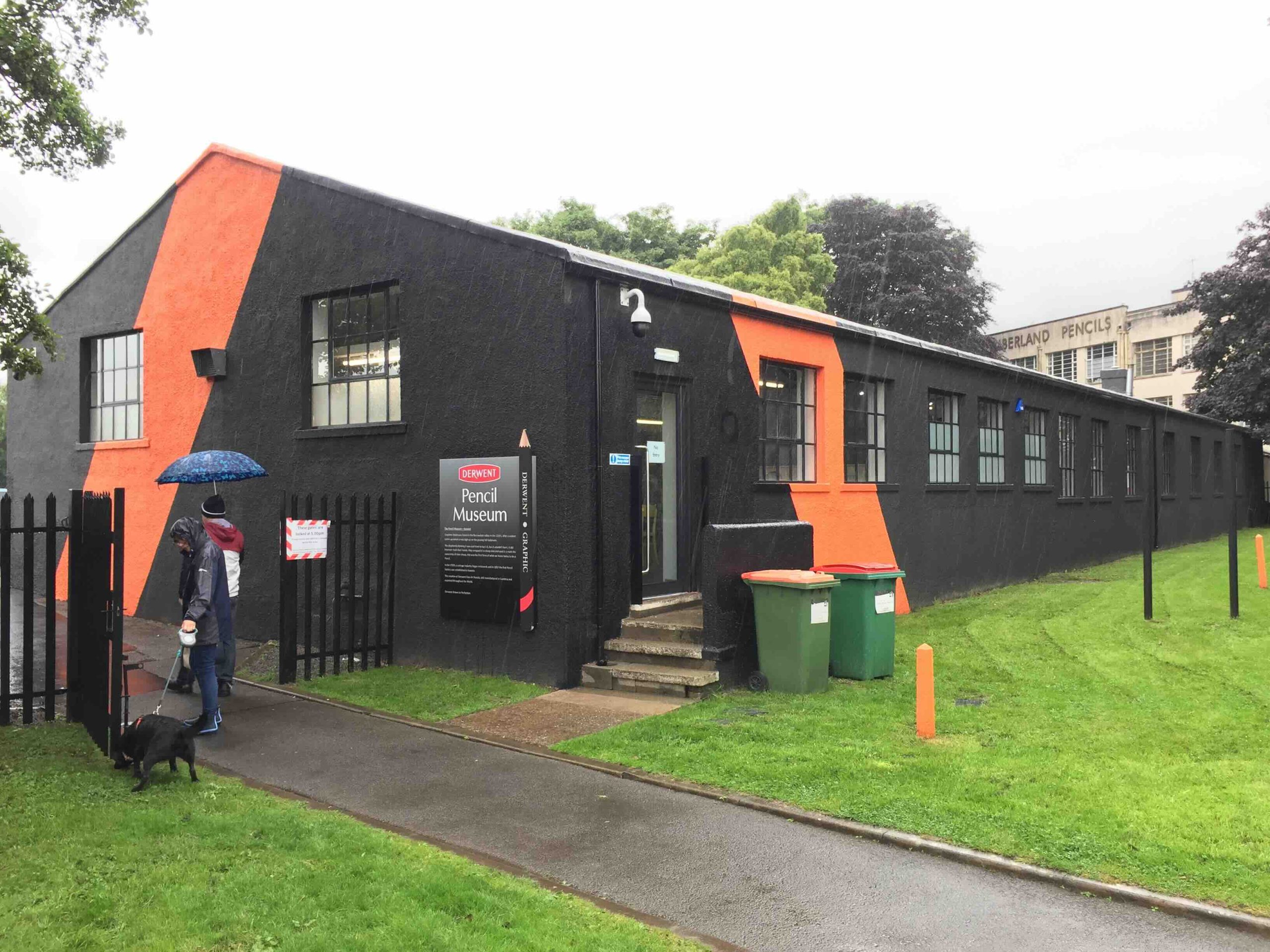
Southey Works, Main Street, Keswick, Cumbria, CA12 5NG
The museum is right in the centre of Keswick — about five minutes walk from the main market square. Keswick itself sits on the northern shore of Derwentwater, surrounded by some of the most beautiful landscape in England. Skiddaw to the north, Blencathra to the east, the Borrowdale fells to the south. On a clear day the drive in from the M6 through the Cumbrian countryside is worth the trip on its own.
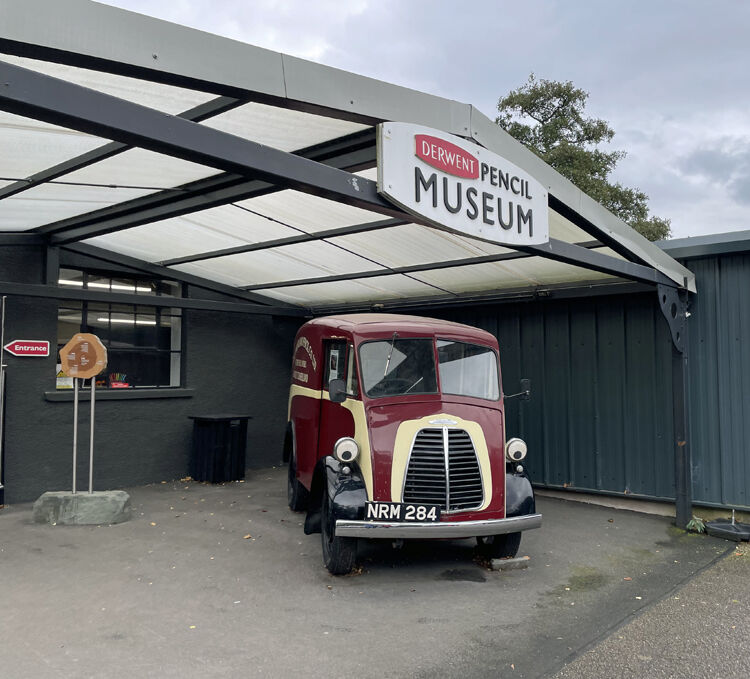
The museum is next to the former Cumberland Pencils factory — the actual place where Derwent pencils were made for generations. That adjacency gives the whole experience a genuine sense of place that you don’t get from a heritage attraction built somewhere artificially. This is where it happened.
Parking note — there is a pay and display car park on site but it’s operated by the local council, not the museum. The museum itself has no control over it and parking charges apply. It caused a fair bit of irritation in the TripAdvisor reviews so worth knowing in advance.
What’s Inside the Derwent Pencil Museum?
More than you’d expect from the outside. Considerably more.
You enter through a replica of the Seathwaite graphite mine — the actual mine in Borrowdale where graphite was first discovered around 1565. Walking through it sets the tone for everything that follows. This isn’t a sanitised heritage experience. It’s a genuinely atmospheric introduction to a story that starts with local farmers finding a strange black rock in the Cumbrian fells and ends with Derwent pencils being used by professional artists all over the world.
The highlights inside:
The WW2 spy pencils. This stopped me in my tracks. During the Second World War, the Keswick factory was secretly commissioned to produce hollow pencils containing maps of Europe and tiny compasses — designed to help RAF airmen and secret agents escape capture if they were shot down over occupied territory. The story is extraordinary and the actual pencils on display are remarkable. Worth the admission price on their own. The person who developed these apparently inspired the character of Q from the James Bond novels, which is the kind of detail that makes you want to immediately look everything up when you get home.
The world’s largest pencil. Nearly 8 metres long, holding the Guinness World Record. It’s exactly as ridiculous and brilliant as it sounds. You can measure yourself against it which is apparently something visitors enjoy more than they expect to.
The Queen’s Diamond Jubilee pencil. A commemorative pencil made to mark the occasion. Beautifully crafted and a reminder of how far pencil making has come from those first crude graphite sticks in the 16th century.
Miniature pencil sculptures. Incredibly intricate miniature sculptures carved from pencil tips. The kind of thing that makes you simultaneously admire the skill and feel slightly inadequate about your own fine motor control.
The history of pencil making. From graphite discovery through the cottage industry era to the Cumberland Pencil Company’s industrial production. The story of how graphite went from being used in cannonball moulds to the world’s finest art pencils is genuinely fascinating and well told.
There’s also a quiz sheet to work through as you go — genuinely fun and not just for children — and various seating areas where you can sit and draw if you need a break.
The Derwent Shop — The Part Artists Have Been Waiting For
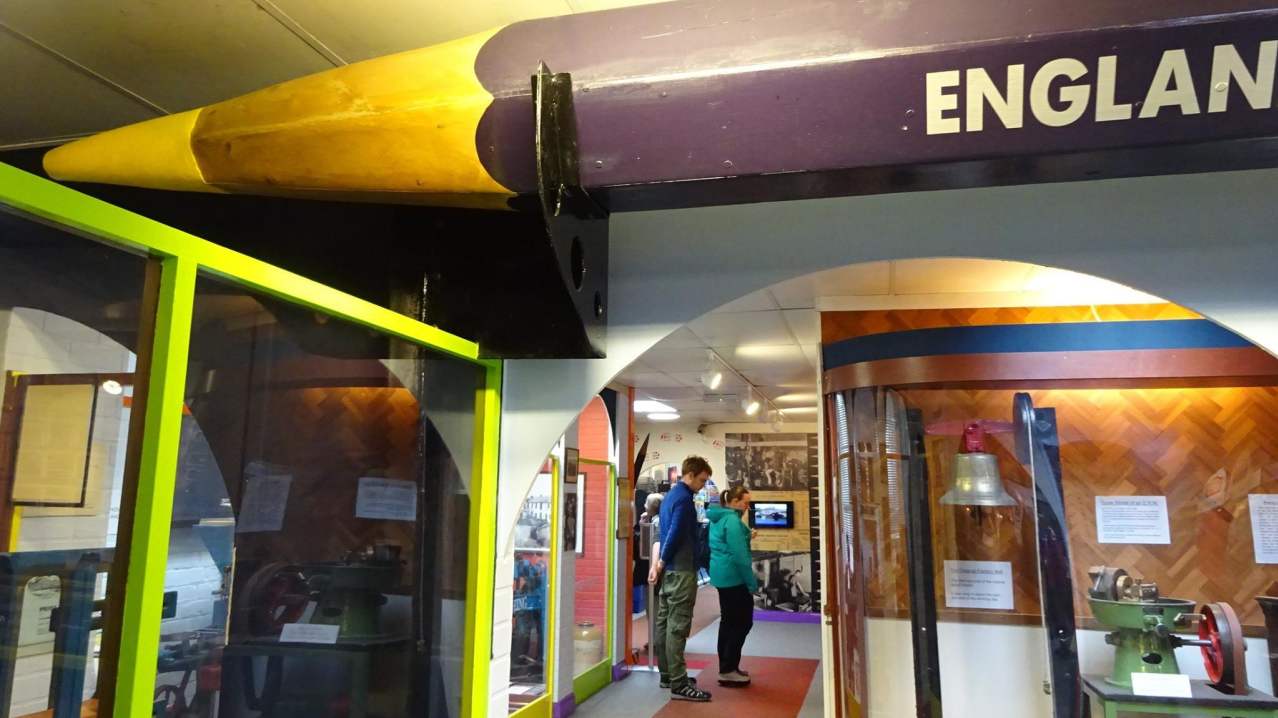
The museum has a proper Derwent Fine Art retail shop on site and it’s excellent. The full range of Derwent products, sets, individual pencils and art supplies — all in one place, all from the brand that was literally born in this building. If you’re a Derwent fan this is a genuinely special place to buy pencils.
I’ll be honest — I spent a significant amount of time in the shop. The Derwent Chromaflow range in particular is worth looking at if you haven’t tried it — the colour payoff and blending are exceptional and holding them in a shop where you can properly test them before buying is a different experience to ordering online.
There’s also a coffee shop with free WiFi if you need a sit down and a piece of cake after the museum — which, given that you’re in Keswick and it’s probably raining, you almost certainly will.
If you can’t make the trip to Keswick but you want to explore Derwent’s range, we track Derwent deals and promotions on DAS regularly — worth checking before any significant purchase.
Opening Times and Admission Prices 2026
| Ticket Type | Price |
|---|---|
| Adult | £6.60 |
| Child | £5.80 |
| Senior / Student | £5.50 |
| 1 Adult + 1 Child | £10.90 |
| 2 Adults + 2 Children | £21.80 |
| Yearly Membership | £33.00 (includes 10% off Derwent products and coffee shop) |
Opening times: Open daily Monday to Sunday, 9:30am–5:00pm. Last admission 4:00pm. Closed Christmas Day, Boxing Day and New Year’s Day.
Tickets are purchased on site only — you can’t book online in advance.
Your entry ticket includes a Derwent HB pencil as a souvenir which is a lovely touch. Dogs are welcome in the museum on a lead though not in the café.
Is It Worth Visiting?
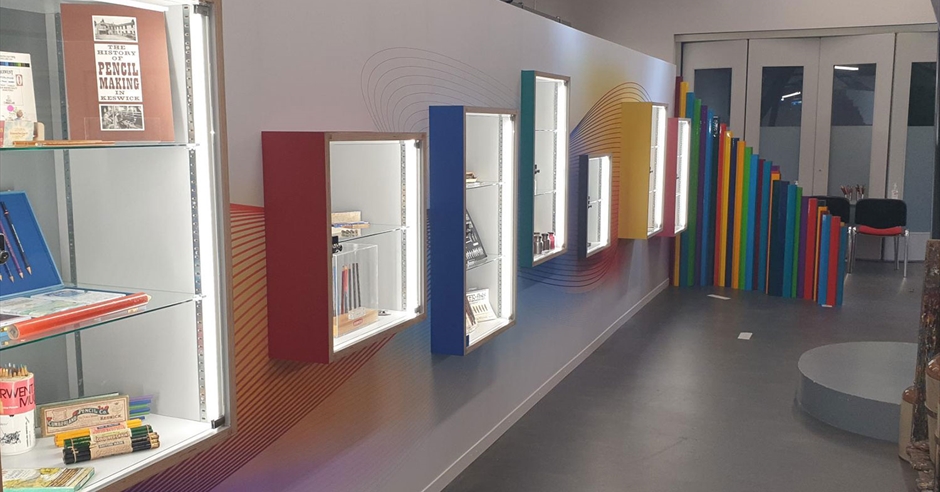
Absolutely — particularly if you’re an artist who uses pencils or coloured pencils as part of your practice. Understanding where your tools come from and the centuries of craft and ingenuity behind something as everyday as a pencil gives you a different relationship with the materials you use. That sounds slightly dramatic but it’s genuinely true.
For families it’s an excellent rainy day option — and given that you’re in the Lake District, you may well need one. Most reviewers mention spending between one and two hours inside, which feels about right. It’s not enormous but it’s dense with interesting things.
For artists specifically — the combination of the museum, the shop and the location makes it a genuinely worthwhile half day. Spend the morning at the museum, have lunch in Keswick, walk along Derwentwater in the afternoon. That’s a very good day out by anyone’s standards.
And if you want to stock up on Derwent supplies at the best prices before or after your visit, check our live deals page and our clearance deals — we track Derwent promotions alongside all the major UK art retailers throughout the year.
How to Get There
The museum is on Main Street in Keswick town centre — short walk from everything. If you’re driving, Keswick is just off the A66 from the M6 (Junction 40). The journey through the Cumbrian fells on a clear day is spectacular — one of those drives that reminds you why the Lake District is a UNESCO World Heritage Site.
There is no mainline train station in Keswick but there are good bus connections from Penrith station on the West Coast main line.
→ Visit the Derwent Pencil Museum website
Have you visited the Derwent Pencil Museum? We’d love to hear what you thought — drop a comment below or share your experience in our Facebook community.