
Written by Paul Worrall
Lino printing is one of those crafts that looks complicated from the outside and turns out to be genuinly accessible from the first session. You carve a design into a block of linoleum, roll ink over the surface, press paper onto it and peel it back — and what you’ve made is a print that can be reproduced as many times as you want from the same block. The fundamentals haven’t changed since printmakers were using the technique in the early twentieth century. What has changed is the range of materials available, particularly for beginners, and the quality of entry-level tools — which means getting started has never been easier or cheaper than it is right now.
I spent nearly a decade at ARTdiscount and have been running Discount Art Supplies for over four years, watching what artists in our community of 36,000 UK artists actually buy when they start a new medium. Lino printing comes up regularly — particularly from watercolour and mixed media artists looking for a complementary printmaking practice that doesn’t require a press or a dedicated studio. Here’s the honest guide to what you actually need and what’s worth spending money on.
🖨️ Lino Printing Beginners — Quick Start
Best starter kit overall: Essdee 23-Piece Lino Cutting & Printing Kit — everything in one box, the most consistently recommended UK starter kit.
Best beginner block: Essdee SoftCut — easier to carve than traditional grey lino, ideal for first projects.
Best beginner tools: Essdee Handle with 5 Interchangeable Blades — affordable, versatile, the UK standard for beginners.
Best upgrade tools: Pfeil Swiss Lino Cutters — the professional standard, worth investing in once you know lino printing suits your practice.
Best beginner ink: Speedball Water-Based Block Printing Ink — washes out with water, available in multiple colours, the most forgiving ink for beginners.
Best roller: Essdee Soft Rubber Brayer — the blue-handle 40 Shore version specifically, consistently recommended over the red-handle version for even ink coverage.
What You Actually Need to Get Started
The essential equipment for lino printing is simple: a block to carve into, tools to carve with, ink, a roller to apply the ink, and paper to print onto. That’s it. You don’t need a printing press — hand burnishing with a wooden spoon or a proper baren produces perfectly good results for most beginner projects. You don’t need a dedicated studio — a kitchen table with newspaper underneath is entirely sufficent for the first dozen prints. The barrier to entry is low in a way that surprises people who assume printmaking requires specialist facilities.
The decisions that actually matter are which block material to start with — and this is where most beginners make their first mistake — and which cutting tools to buy. Get those two right and everything else follows naturally.
Choosing Your Lino Block — The Most Important Decision

The block you carve into makes more difference to the beginner experience than any other single factor. There are four main options in the UK market, each with genuinly different carving characteristics.
Traditional grey lino — hessian-backed battleship lino — is the original material and what professional printmakers typically use for serious editions. Made from linseed oil, pine resin and cork dust, it produces the sharpest, most precise cuts and holds fine detail better than softer alternatives. The honest downside for beginners is that it’s harder to carve, particularly with budget tools, and cold temperature makes it significantly stiffer — some printmakers warm it gently before carving. Worth graduating to once you’ve developed confidence with the basics.
Essdee SoftCut is the consistent recommendation for UK beginners — a softer, cream-coloured material that carves easily with less hand fatigue, holds detail reasonably well, and is considerably more forgiving than traditional lino when your cutting technique is still developing. The limitation is that it’s not suitable for printing press use and doesn’t hold the finest detail at the level traditional lino does. For hand-printing beginner projects, SoftCut is the right starting point.
Speedball Speedy-Carve is a pink rubber block — even softer than SoftCut, ideal for stamp-making and smaller decorative work, but less suitable for larger editions or fine art printing where precision matters more. A good choice if your interest is in creating repeat patterns or fabric printing rather than traditional printmaking.
Vinyl or MasterCut is a firm, smooth alternative that carves cleanly and holds fine detail well, sitting somewhere between SoftCut and traditional lino in terms of carving resistance. Essdee MasterCut is the most widely available UK version.
For most UK beginners, the recommendation is simple: start with Essdee SoftCut in A4 or A5 size, complete a few projects, and graduate to traditional grey lino once you’re confident in your cutting technique and ready for more precise, edition-quality work.
Lino Cutting Tools — What to Buy and What to Avoid

Carving tools come in two basic shapes: V-shaped gouges that create thin, consistent lines, and U-shaped gouges that clear larger areas and make bolder marks. Both come in various sizes from very small for detailed work to large for clearing backgrounds quickly. As a beginner, you need a mix of both.
For beginners, the Essdee handle with five interchangeable blades is the UK standard starting point — affordable, comfortable to hold, and the interchangeable blade system means you get five different cutting profiles for the price of one handle. The honest limitation is that Essdee blades can’t be sharpened once they blunt, which becomes a practical issue if you’re working with traditional grey lino for extended periods. For SoftCut and beginner projects, they work well for considerably longer before blunting becomes a problem.
The professional upgrade — and the tools that serious printmakers consistantly invest in — is Pfeil Swiss lino cutters. Fixed-blade tools with mushroom-shaped wooden handles that provide genuine control, can be professionally sharpened, and are made to last decades rather than months. They’re more expensive — typically £15-25 per individual tool — but represent the right long-term investment once you know lino printing is a medium you want to pursue seriously. Many experienced printmakers recommend buying the complete set of five Pfeil tools as a considered investment rather than gradually replacing budget tools over time.
One tool worth knowing about that doesn’t always appear in beginner guides: a dry-point etching tool for carving dots and fine detail work, and a leather hole punch for perfect circular elements. Neither is essential but both solve specific problems that standard V and U gouges can’t address as precisely.
Inks — Water-Based vs Oil-Based

The main choice for beginners is between water-based and oil-based printing inks, and the honest recommendation is the same across almost every guide written for beginners: start with water-based. They wash out of brushes, rollers and clothing with water rather than requiring solvents. They dry faster. They’re genuinly more forgiving when you’re learning.
Speedball water-based block printing ink is the most widely recommended beginner option — available in a good colour range, consistent coverage, washes out easily. Essdee water-based inks are the UK alternative and work well alongside Essdee blocks and tools for a complete beginners setup from one supplier.
The step up — once you want richer, denser blacks and archival print quality — is oil-based ink. Cranfield Caligo Safe Wash Relief Ink is the preferred UK professional option — oil-based for quality but designed to wash out with water and washing-up liquid rather than requiring harsh solvents. Genuinly the best of both worlds once you’re past the beginner stage. For metallic effects, Cranfield’s traditional metallic range produces exceptional results that water-based metallic inks genuinly can’t match.
Rollers, Barens and Printing Surfaces
The roller — also called a brayer — applies ink evenly across the surface of your lino block before printing. The key variable is hardness, measured in Shore. Softer rollers (lower Shore number) apply ink more evenly with less pressure and are generally better for hand-printing. The Essdee blue-handle roller at 40 Shore is consistently recommended over the red-handle version (70 Shore) specifically because the softer rubber achieves more even ink coverage — a detail that’s worth knowing before buying the wrong one.
A baren — a flat, smooth tool used to press paper against the inked lino block — replaces a printing press for hand-printing. A Japanese baren is the traditional option. For beginners, a wooden spoon used firmly in circular motions works almost as well and costs nothing. A proper baren becomes worthwhile once you’re producing larger, edition-quality prints where consistency of pressure across the whole block matters.
For the printing surface itself, a glass kitchen worktop saver or smooth tile is considerably better than the plastic inking trays included in many starter kits — the flat, non-porous surface allows ink to be rolled out more evenly before applying to the block.
Paper for Lino Printing
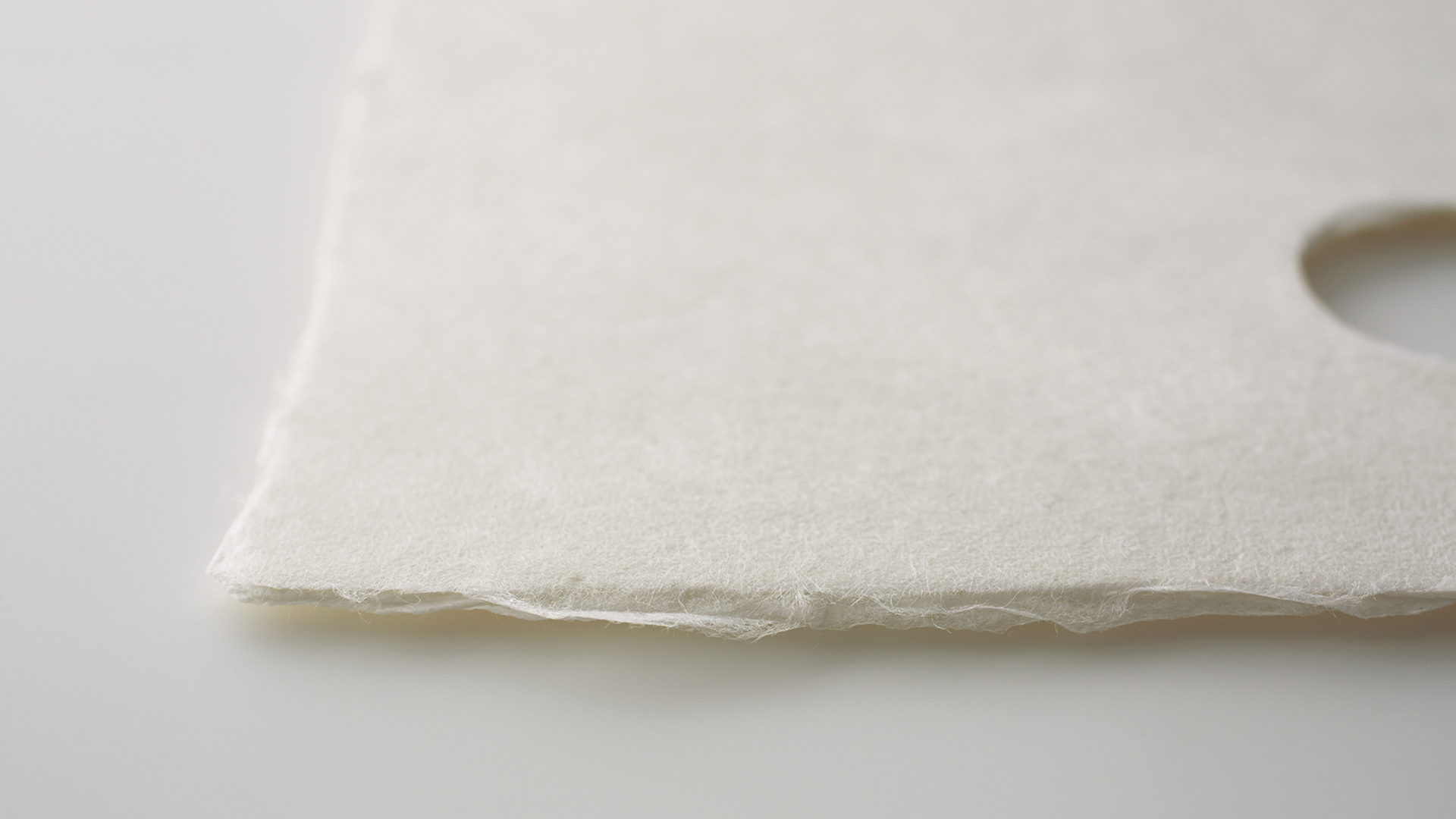
For hand-printing (without a press), lighter-weight smooth papers transfer ink more easily than heavy papers — Japanese tissue papers, smooth cartridge paper and basic photocopy paper all work well for test prints and proofs. For finished prints worth keeping, Japanese washi paper or smooth printmaking paper produces results that genuinly justify the extra cost — the slightly absorbent, fibrous surface picks up ink from the block more completely than standard cartridge paper.
Always have scrap paper or photocopy paper for proofs before printing onto your good paper. The first print from a freshly inked block is rarely the best one — the second and third pulls typically show the design more cleanly once the ink has distributed evenly across the surface.
The Best Starter Kit — If You Want Everything in One Box
If you want to avoid buying components separately, the Essdee 23-piece Lino Cutting and Printing Kit is the most consistently recommended UK all-in-one starter kit — cutter handle with five blades, lino blocks, roller, ink and basic accessories in a single purchase. It’s not the highest quality across every component, but it’s genuinly good enough to complete your first several projects and discover whether lino printing is a medium you want to invest in further.
The Speedball Lino Printing Starter Kit is the US alternative — slightly different component selection, includes coloured inks which the Essdee kit doesn’t, but the Essdee kit is more widely available from UK retailers and typically better value on shipping. Compare current prices on our live lino printing price comparison before buying.