Written by Paul Worrall
If you’re selling digital prints, brushes, procreate files or any kind of downloadable work directly rather than through a print-on-demand service, Payhip and Gumroad are the two names that come up constantly. I’ve covered the physical fulfilment side of selling art in my Printful vs Printify comparison, but this is a different question entirely — what you actually keep from a sale when there’s no product to print and ship.
I’m Paul Worrall. I spent nearly a decade running digital marketing for ARTdiscount, one of the UK’s larger online art retailers, and I now run Discount Art Supplies — a price comparison platform used by over 41,000 UK artists every week.

At a Glance
|
The Real Fee Numbers
On the free, default setup for each: Gumroad takes a 10% platform fee plus a flat $0.50 (roughly £0.40) per transaction, on top of standard card processing (roughly 2.9% + $0.30, or about £0.24). Payhip’s free plan takes 5% plus the same standard card processing. Worked through on a $100 sale (roughly £79), Gumroad takes around $13.20 (about £10.50) in total fees, Payhip takes around $8.20 (about £6.50) — a real, meaningful difference once you’re selling regularly rather than the odd one-off. These GBP figures are approximate, since both platforms bill in US dollars and the exchange rate moves.
Both offer a way to reduce or remove that platform fee. Gumroad’s paid Creator plan (around $10/month, roughly £8) drops the fee to roughly 3.5% rather than removing it. Payhip’s paid plans, starting from around $29 a month (roughly £23), remove the platform fee entirely, leaving just card processing. Worth doing your own maths based on volume — at low sales volume the free plans are fine, but past a certain monthly revenue, Payhip’s paid tier consistantly works out cheaper than staying on Gumroad’s free plan.
Where Gumroad Genuinely Wins
Setup is genuinely fast — you can have a live product page in minutes, and Gumroad’s Discover marketplace can put your work in front of buyers who’ve never heard of you, which matters a lot if you’re starting with no existing audience. Gumroad also acts as merchant of record, meaning it handles tax collection on your behalf in a lot of cases, which is importent if you’re selling internationally and don’t want to deal with VAT yourself. The trade-off is that Discover sales carry a much higher fee, reportedly around 30%, so that organic discovery comes at a real cost.
Where Payhip Genuinely Wins

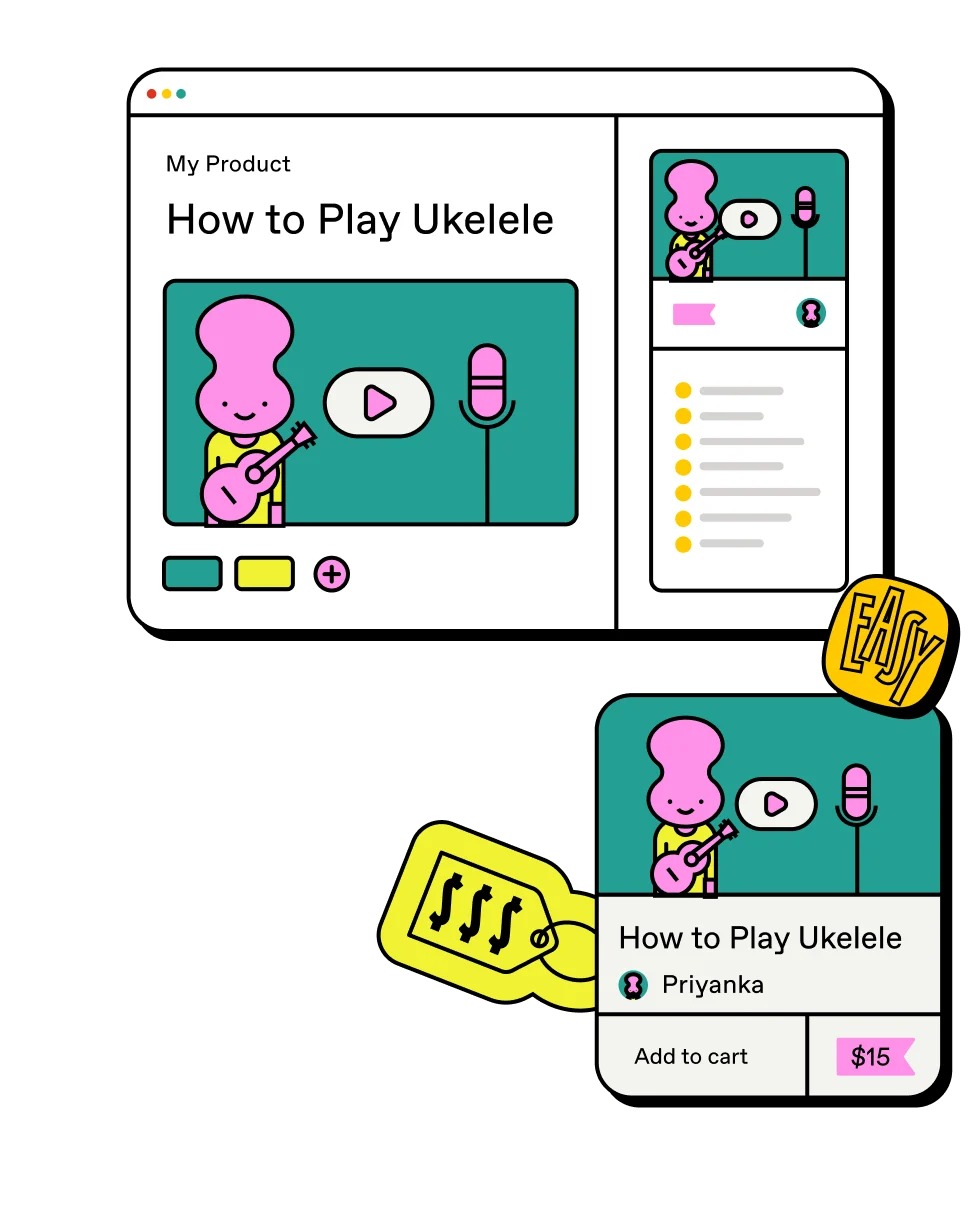
Lower fees across the board, instant payouts rather than Gumroad’s weekly schedule, and built-in EU VAT handling. Several independent reviews also rate Payhip‘s live chat support above Gumroad’s slower email-based help. The genuine downside is that Payhip has no equivalent to Gumroad’s Discover marketplace — you’re relying entirely on your own audience and traffic, which is a real consideration if you don’t already have one.
Who Should Actually Use Which
If you’re a brand new seller with no existing audience, Gumroad’s Discover marketplace gives you a genuine shot at organic sales you wouldn’t otherwise get, even at the higher fee. If you already have your own following — an email list, a social presence, a website — and you’re driving your own traffic anyway, Payhip’s lower fees mean you keep more of every sale without needing the marketplace exposure. Some sellers genuinely use both: listing on Gumroad for discovery, then encouraging repeat buyers toward a lower-fee platform for future purchases.
FAQ
Is Payhip cheaper than Gumroad?
Yes, on their default free plans. Gumroad charges a 10% platform fee plus a flat $0.50 (roughly £0.40) per transaction on top of card processing. Payhip’s free plan charges 5% plus standard card processing. On a $100 sale (roughly £79), that works out to roughly $13.20 (about £10.50) taken by Gumroad versus $8.20 (about £6.50) by Payhip. These GBP figures are approximate, since both platforms bill in US dollars.
Can I remove the platform fee entirely on either?
Payhip’s paid plans, starting from around $29 a month (roughly £23), remove its platform fee entirely, leaving only standard card processing. Gumroad’s paid Creator plan reduces its fee to around 3.5% rather than removing it completely.
Which one is easier to get discovered on?
Gumroad has its own Discover marketplace that can surface your product to new buyers, though sales made through Discover carry a significantly higher fee, around 30%. Payhip has no equivalent built-in marketplace, so you’re relying entirely on your own traffic.
If you’re weighing this up against print-on-demand for physical products, my Printful vs Printify comparison covers that side of selling. At Discount Art Supplies we compare prices across all the major UK art retailers in real time, so you can find the best current deal on materials too.