Written by Paul Worrall
Genuinly few topics divide artists as sharply as AI image generation, and I don’t think this article’s job is to tell you which side of that divide to stand on. What it can do is lay out, honestly and without hype, what these tools actually are, what the real controversy is about, and what practical options exist for artists who want to protect their work. This isn’t a “best AI tools” buying guide — it’s an explainer, written for an audience of real artists who deserve a straight answer rather than either uncritical cheerleading or a scare piece.
I’ve spent 16 years in the UK art and creative supplies industry and now run Discount Art Supplies, used by over 41,000 UK artists every week.
What These Tools Actually Are
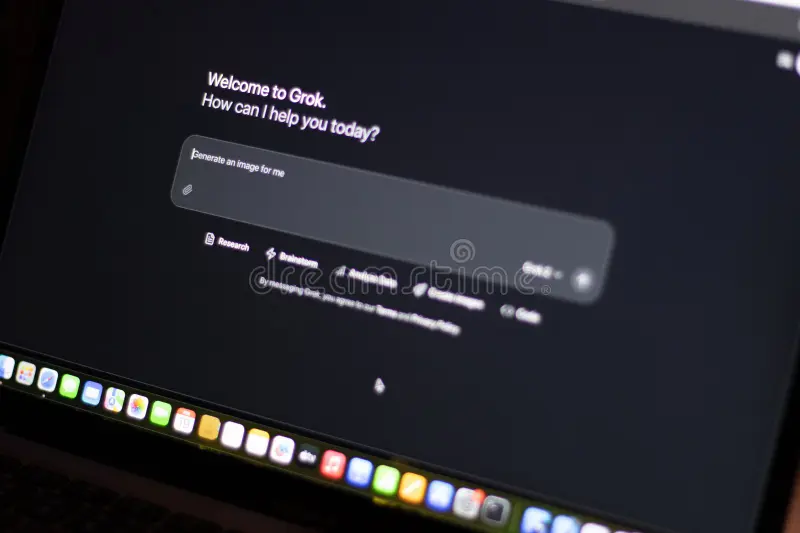
Midjourney, DALL-E (built into ChatGPT) and Stable Diffusion all work on a similar principle — you type a text description, and the tool generates an image based on patterns it learned from an enormous training dataset of existing images. Stable Diffusion is open-source and underpins several other tools, including DeviantArt’s DreamUp. Midjourney and DALL-E are closed, commercial products with their own training approaches.
The practical output has genuinly improved dramatically over the past few years — from obviously artificial early results to images that can be difficult to distinguish from human-made work at a glance, including, controversially, images that can closely echo specific characters, franchises or individual artists’ recognisable styles when prompted to do so.
The Actual Controversy — Explained Fairly
The central dispute is about training data. These models learned to generate images by analysing vast numbers of existing images scraped from across the internet — a significant proportion without the knowledge or consent of the artists who made them. Artists argue this amounts to using their copyrighted work, and in some cases their recognisable personal style, without permission or payment, to build commercial products that can now compete directly with them.
The most prominent legal case, Andersen v. Stability AI, was filed back in January 2023 by artists Sarah Andersen, Kelly McKernan and Karla Ortiz against Stability AI, Midjourney and DeviantArt. Parts of the case were dismissed early on, but key copyright claims have survived multiple rounds of motions to dismiss, and the case is genuinly still being actively litigated, with a trial reportedly set for September 2026. The US Copyright Office has also weighed in, releasing formal analysis on AI training and copyrighted material as recently as May 2025.
The companies’ side of the argument, broadly, rests on fair use — the position that training a model on publicly available images to learn general patterns is meaningfully different from copying and redistributing specific artworks, and falls within longstanding legal protections for transformative use. This is a genuinly unresolved legal question at the time of writing, not a settled one either way, and reasonable people — including judges — currently disagree on where the line sits.
Protective Tools — What They Actually Do (and Don’t)
Two tools have become genuinly popular among artists specifically wanting to protect their work from being used in AI training: Glaze and Nightshade, both developed by a research team at the University of Chicago led by Ben Zhao. Both are free.
Glaze subtly alters an image in ways invisible to human eyes but designed to confuse an AI model into misreading the artistic style — essentially cloaking your visual signature so a model can’t easily learn to imitate it.
Nightshade goes further, deliberately corrupting how a model interprets the image’s actual content, intended as a more active deterrent against unauthorised scraping at scale.
Here’s the honest part: independent researchers have genuinly found real weaknesses in both tools. A tool called LightShed, developed by researchers including a team at Cambridge, has demonstrated it can detect and strip out these protections, and a separate academic study found that a relatively simple upscaling step could defeat Glaze’s protection in a meaningful proportion of cases. The tools’ own creators have been upfront about this from the start — Glaze’s own research paper states plainly that the team is “under no illusion” it will remain effective forever, and describes it as a deterrent and a first step rather than a permanent solution. Both tools continue to be actively updated in response to new bypass methods, and both remain genuinly widely used — together they’ve been downloaded close to nine million times.
The honest takeaway: these tools raise the cost and effort required to misuse your work, and using them is a genuinely reasonable precaution if you’re concerned. But treat them as a deterrent, not a guarantee — don’t let using Glaze or Nightshade create a false sense of complete protection.
Practical Steps If You’re Concerned
A few genuinly practical things worth knowing, regardless of where you stand on the wider debate:
Check for opt-out mechanisms. Several platforms and AI companies have introduced opt-out options that let you flag your work as excluded from future training datasets — worth checking directly with any platform you post work to, since these settings change and aren’t always enabled by default.
Consider your posting platforms carefully. Some platforms have faced specific criticism for how their terms of service handle AI training rights over user-submitted work — worth actually reading the terms of any platform before uploading original work, rather than assuming.
Using Glaze or Nightshade is a genuinly reasonable precaution if protecting your specific style matters to you, understood honestly as a deterrent rather than a guarantee.
Frequently Asked Questions
Is it illegal to train AI on artists’ work without permission? This is genuinly unresolved — it’s the exact question at the centre of ongoing litigation, and courts haven’t yet reached a final, settled answer.
Do Glaze and Nightshade actually work? They provide a genuine, meaningful deterrent and have real documented effectiveness in their own testing, but independent research has found ways to bypass both. Treat them as raising the difficulty, not eliminating the risk entirely.
Should I use AI image generators in my own work? That’s a genuinly personal decision that depends on your own values, your client or audience expectations, and increasingly, platform-specific rules about disclosure. We’re not going to tell you what to think about that here — it’s worth forming your own view based on the facts above rather than either hype or panic.