

Written by Paul Worrall
Chasing invoices, sending the same contract template for the tenth time, and trying to remember which client you’ve actually heard back from — this is the unglamorous side of taking commissions that nobody warns you about when you start selling your work. HoneyBook is one of the more commonly recommended tools for exactly this problem, so I wanted to look into it properly rather than just repeat the marketing.
I’m Paul Worrall. I spent nearly a decade running digital marketing for ARTdiscount, one of the UK’s larger online art retailers, and I now run Discount Art Supplies — a price comparison platform used by over 41,000 UK artists every week.
At a Glance
|
What HoneyBook Actually Is
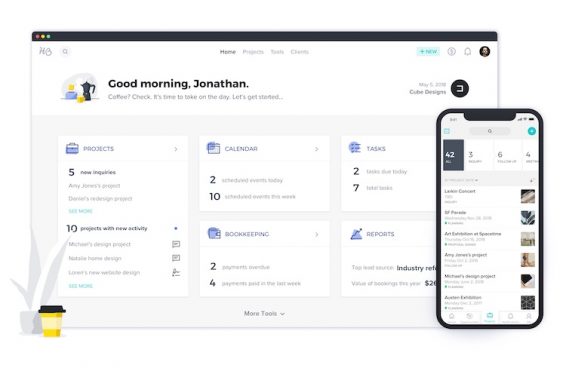
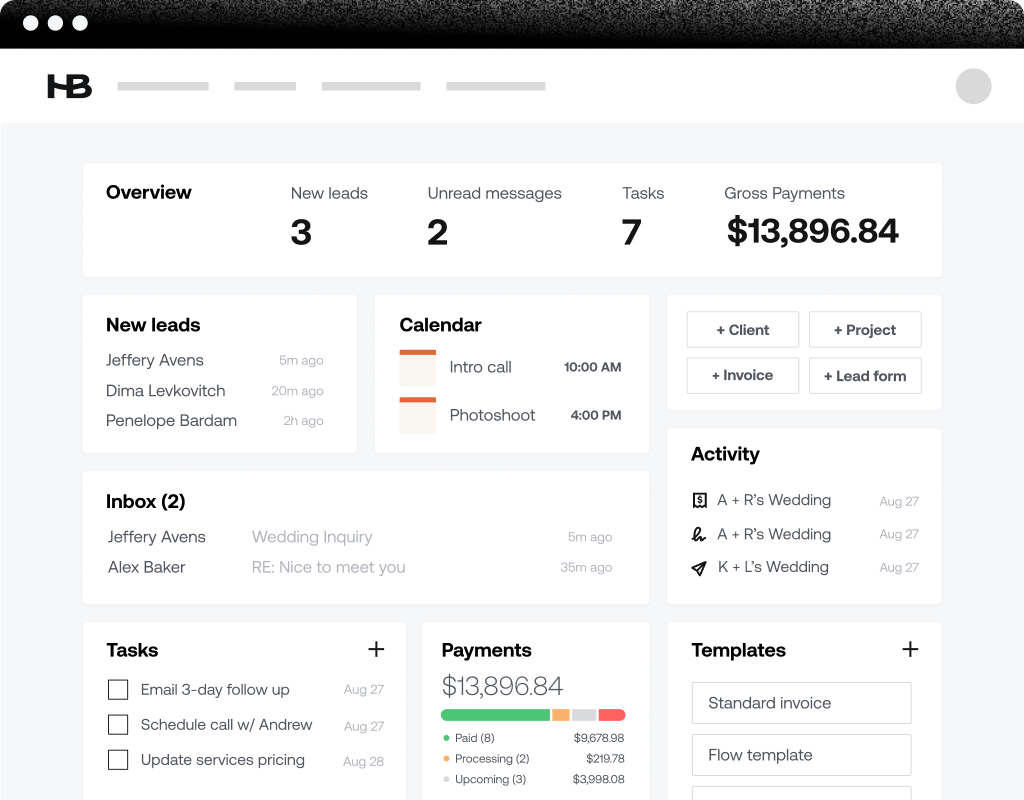
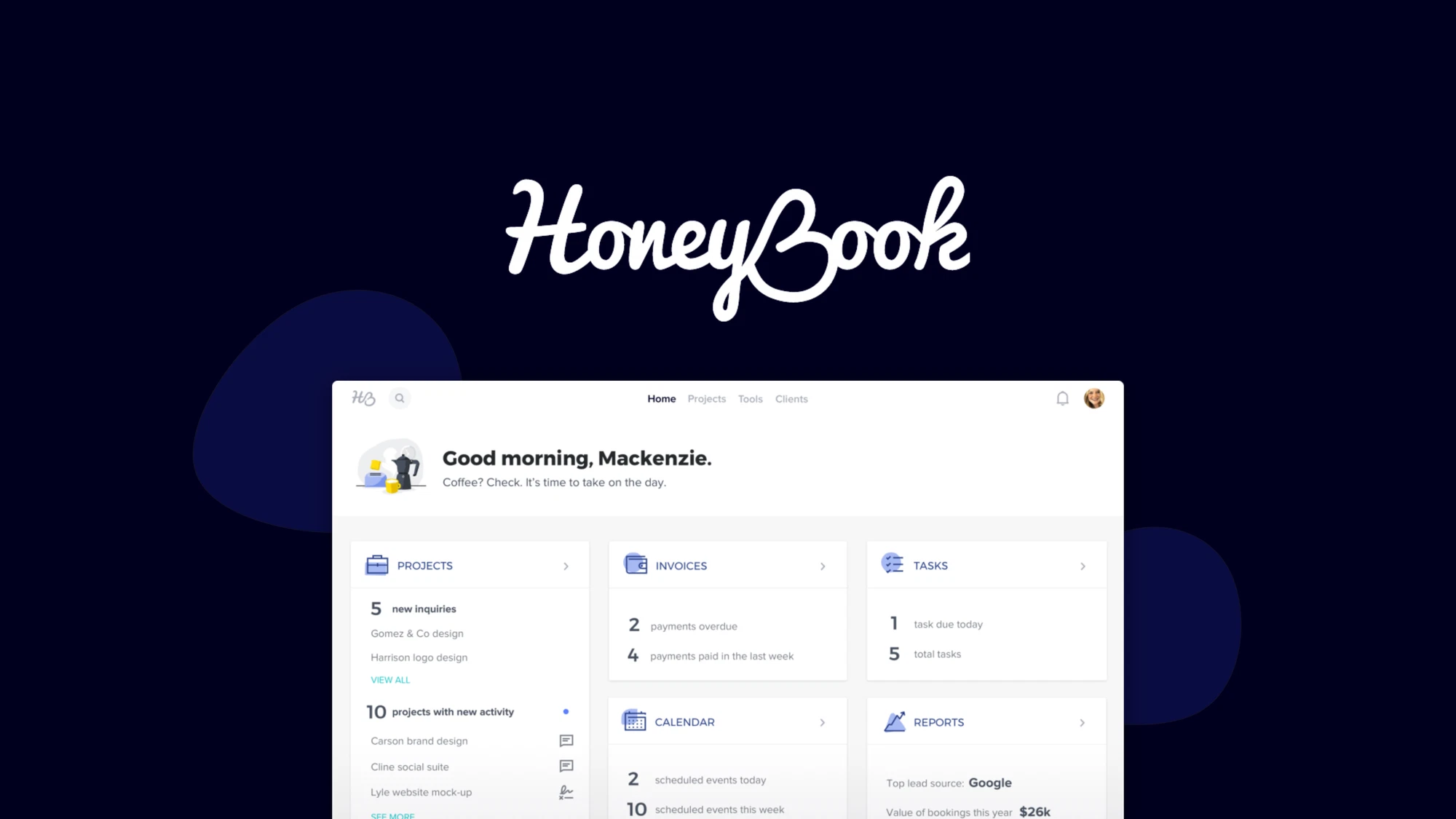
HoneyBook is a client management platform combining invoicing, contracts, proposals, online scheduling and payment processing into one system, aimed at freelancers and small service-based businesses. It’s genuinely built with client-facing polish in mind — its “Smart Files” feature bundles a proposal, contract and payment request into a single, professional-looking page a client can review and sign in one place, rather than juggling separate emails and attachments.
Pricing
Three tiers as of 2026: Starter at around $29 a month billed annually (or $36 monthly), Essentials at around $49 a month annually (or $59 monthly), and Premium at around $109 a month annually (or $129 monthly). In roughly converted terms for a UK audience, that’s approximately £23, £39 and £86 a month on annual billing — but treat these as ballpark figures only, since the exchange rate moves and HoneyBook bills in dollars regardless of where you’re based. Worth being aware that pricing rose substantially in early 2025, and payment processing fees (roughly 2.9% plus a small flat fee per card transaction) sit on top of the subscription cost. There’s a 7-day free trial with no card required, and a 60-day money-back guarantee on paid plans.
It’s importent to flag that pricing is quoted in US dollars with no dedicated UK pricing page, so the actual cost in pounds will move with the exchange rate — worth checking the current converted price rather than assuming it stays fixed.
What’s Genuinely Good
The AI features are a genuine standout and, unusually, most of them are included from the entry-level Starter plan rather than locked behind the top tier — drafting responses to client enquiries, flagging priority leads, taking automatic meeting notes and producing a daily action summary. Reviewers consistantly rate the interface as one of the easier client-management platforms to actually pick up and start using, and it holds a strong 4.4 out of 5 across a large volume of independent reviews. For anyone doing commissioned or client-facing creative work — portrait artists, illustrators taking briefs, anyone running paid workshops — the client experience genuinely does feel more considered than sending a plain invoice by email.
What to Know Before You Buy
The price increase in early 2025 was substantial, particularly on the entry-level Starter plan, and it’s worth going in with that context rather than being caught out later. Some reviewers report a genuine learning curve navigating the full feature set despite the friendly interface, and a handful mention slower-than-expected responses from customer support. The mobile app also gets flagged as more limited than the desktop experience by several reviewers, so it’s not ideal as a fully mobile-first tool. It’s also genuinely not built for product-based or e-commerce businesses — no inventory or order fulfilment features — so if you’re selling physical prints alongside commissions, this covers the commission side only.
HoneyBook vs Dubsado
Dubsado is the platform most often compared directly against HoneyBook, and the trade-off is genuinely consistent across independent reviews: Dubsado offers deeper customisation and more granular control over workflows, but takes noticeably longer to set up properly — several reviewers mention needing to block out real time, or even hire help, to get it configured well. HoneyBook trades some of that flexibility for a faster, more guided setup and a more polished client-facing experience out of the box.
HoneyBook vs Bonsai
Bonsai is consistently the cheapest of the three, with entry pricing well below HoneyBook’s, and it includes built-in accounting and tax tracking that neither HoneyBook nor Dubsado offer natively — genuinely useful if you want one tool covering both client management and basic bookkeeping. Reviewers generally rate Bonsai as easier to set up than HoneyBook, though HoneyBook tends to score higher on ongoing support quality and overall client-facing polish. If budget is the deciding factor and you don’t need HoneyBook’s AI features, Bonsai is worth trialling first.
Who It’s Actually For
HoneyBook is genuinely strongest for artists whose work involves a real client relationship with proposals, contracts and scheduled payments — portrait commissions, illustration briefs, paid workshops and events. It’s a weaker fit if you’re mainly selling finished prints or products online without an ongoing client conversation, where a proper e-commerce platform will serve you better than a client-management tool.
FAQ
How much does HoneyBook cost?
Three tiers in 2026: Starter at around $29/month billed annually (roughly £23), Essentials at around $49/month (roughly £39), and Premium at around $109/month (roughly £86), plus payment processing fees on top. Monthly billing costs more than annual on every tier, and these GBP figures are approximate since HoneyBook bills in US dollars.
Is HoneyBook good value for UK-based artists?
Worth going in aware that pricing is in US dollars with no dedicated UK pricing page, so cost will fluctuate with the exchange rate. It’s genuinely usable in the UK, but it isn’t built specifically with UK tax or invoicing conventions in mind.
Is HoneyBook better than Dubsado or Bonsai?
It depends what you value most. HoneyBook is generally considered the easiest to use and the most polished for clients. Dubsado offers deeper customisation for those willing to invest setup time. Bonsai is the cheapest and includes built-in accounting and tax tracking the other two lack.
If commission and client work is a growing part of your practice, it’s also worth reading my How to Price Your Art guide. At Discount Art Supplies we compare prices across all the major UK art retailers in real time, so you can find the best current deal on materials too.