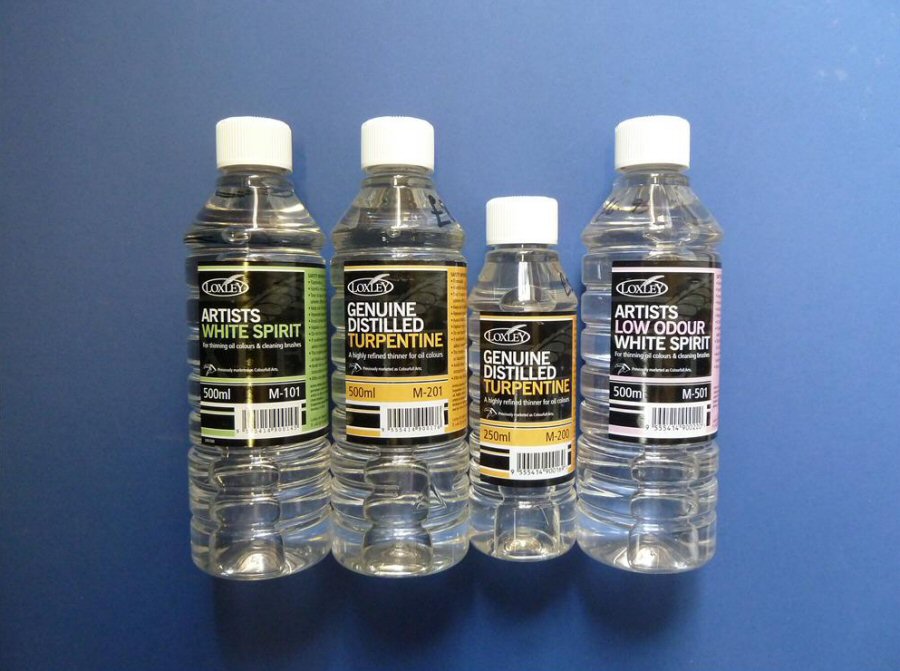
Written by Paul Worrall
If you’ve just started painting in oils and you’re standing in the solvents aisle trying to work out the difference between turpentine and white spirit, you’re not alone. It’s one of the most common questions from painters getting started with oils — and the answer is more nuanced than most beginner guides suggest. I’ve spent sixteen years in the art supplies industry, nearly a decade at ARTdiscount, and I run Discount Art Supplies — a price comparison platform used by 36,000 artists every week. Here’s the honest guide.
Quick Answer — Turpentine vs White Spirit
For thinning paint: Distilled turpentine is the traditional choice — more viscous, stays open longer, better reactivity with oil. Artists’ white spirit works well and is more convenient.
For cleaning brushes: White spirit is better — cheaper, cleaner result, less oily residue.
For low odour: Neither. Use Winsor & Newton Sansodor or Zest-it instead.
For decorating/general use: White spirit every time — cheaper and widely available at any hardware shop.
What Is Turpentine?
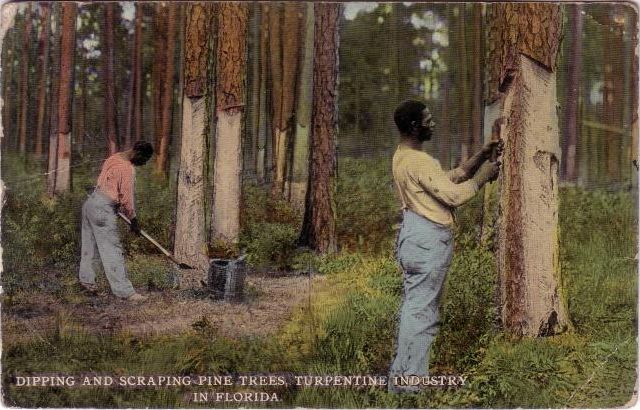
Turpentine is a natural solvent distilled from the resin of pine trees — specifically the oleoresin tapped from living trees, then steam-distilled to produce the clear, aromatic liquid artists have used for centuries. The smell is distinctive and to many painters pleasent — a pine-like aroma that smells of the studio rather than the hardware shop. Artist-grade distilled turpentine has had the natural gum resins removed through repeated distillation, which is important: hardware store turpentine retains some gum content that can cause yellowing and tackiness in finished oil paintings over time.
Turpentine is more viscous than white spirit — it has a slightly thicker, more oily feel — and it evaporates more slowly. This slower evaporation keeps paint more workable for longer on the palette and canvas, which many oil painters prefer for blending work. It also has a stronger solvent action on oil paint than white spirit, making it more effective as a painting medium in traditional fat-over-lean layering techniques.
The downsides are real. Turpentine is more toxic than white spirit — inhaling the fumes over extended periods can cause respiratory irritation and headaches. It must be stored in sealed bottles away from daylight and air, as it oxidises readily, turning sticky and yellowing. Old, oxidised turpentine is useless for painting and should be disposed of responsibly.
What Is White Spirit?
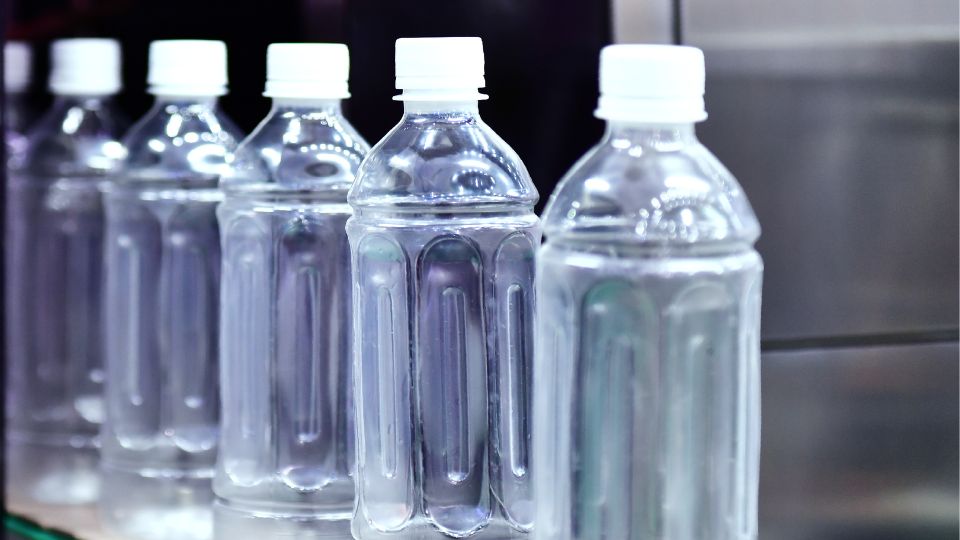
White spirit — known as mineral spirits in the US and Canada, and sometimes as mineral turpentine in Australia and New Zealand — is a petroleum-derived solvent produced from crude oil distillation. It’s what most hardware shops sell as paint thinner and it’s the most widely available painting solvent in the UK. For oil painting purposes, it’s worth knowing that artists require a higher grade of white spirit than the standard hardware store product — specifically one free from residual sulphur compounds that can affect paint drying. Winsor & Newton Artists’ White Spirit and similar artist-grade products are refined to the purity that oil painting requires.
White spirit is thinner and more watery than turpentine — it produces more fluid paint mixes that some painters find slightly less controllable, particularly for detailed work. It evaporates faster than turpentine, which means paint mixed with white spirit dries more quickly. It is less toxic than turpentine in terms of immediate fume irritation, though it still requires good ventilation and should never be used in a poorly ventilated space.
The practical advantages over turpentine are significant: white spirit doesn’t deteriorate on storage, doesn’t yellow or go tacky over time, is generally cheaper, and cleans brushes more effectively — leaving less oily residue than turpentine. For brush cleaning specifically, white spirit is the better choice by a considerable margin.
White Spirit vs Turpentine — Key Differences for Oil Painters
The most practically useful comparison for someone actually painting in oils: turpentine keeps paint workable for longer (slower evaporation, stays open), handles better for traditional layered oil techniques, and has slightly stronger solvent action. White spirit is more conveniant, cheaper, better for cleaning, and doesn’t deteriorate in storage. Both thin oil paint and both clean brushes — but each does one of those jobs better than the other.
For painting mediums — mixing into paint to alter its flow, drying time or finish — turpentine is the more traditional choice and integrates more naturally with oil paint chemistry. For simple brush cleaning at the end of a session, white spirit is more practical and economical. Many experienced oil painters keep both: turpentine for painting use and white spirit for cleanup.
One important note that most guides skip: if you’re using alkyd-based mediums like Winsor & Newton Liquin, use white spirit or a low-odour solvent rather than turpentine — alkyd mediums work better with petroleum-based solvents. Turpentine can interfere with the drying mechanism of alkyds.
Turpentine Substitute vs White Spirit — Are They the Same?
This causes more confusion than almost any other question in oil painting. The short answer: turpentine substitute is white spirit, just sold under a different name. Both are petroleum distillates. When you see “turpentine substitute” on a can in a hardware shop, it is functionally the same product as white spirit — the name simply indicates it can be used in place of genuine turpentine for decorating purposes.
For painting purposes, the distinction that actually matters is between hardware-grade and artist-grade products. Hardware store white spirit and turpentine substitute contain sulphur compounds and other impurities that can affect oil paint. Artist-grade white spirit — from Winsor & Newton, Cass Art or Jacksons Art — has been refined to remove these compounds. Always use artist-grade solvents for actual painting, regardless of whether the label says turpentine, white spirit or turpentine substitute.
White Spirit vs Turpentine vs Methylated Spirits
Methylated spirits — denatured alcohol — is a completely different product and should never be used for oil painting. It is not compatible with oil paint and will not thin it effectively. Methylated spirits are useful for cleaning certain surfaces and removing some types of contamination, but they have no place in an oil painter’s studio as a painting solvent. This question comes up regularly enough to be worth addressing directly: methylated spirits are not a substitute for either turpentine or white spirit in oil painting.
The practical summary: turpentine and white spirit are both appropriate oil painting solvents at artist grade. Methylated spirits is not.
Low Odour Alternatives — For Painters Without Studio Ventilation
Both turpentine and white spirit have significant odour and both require proper ventilation. For painters working in domestic spaces — a spare bedroom, a kitchen table, anywhere without dedicated studio extraction — low odour alternatives are worth knowing about.
Winsor & Newton Sansodor is a petroleum-based low-odour solvent that handles similarly to white spirit but with dramatically reduced fumes. It keeps paint open slightly longer than standard white spirit and is the product Winsor & Newton specifically reccommend for artists sensitive to solvent odours. Available from Cass Art, Jacksons Art and Amazon — compare prices on our Sansodor price comparison.
Zest-it is a citrus-based solvent made from cold-pressed citrus peel — natural, biodegradable, genuinely low odour and effective for thinning oil paint and cleaning brushes. It’s slower acting than petroleum solvents so brush cleaning takes a little longer, but for painters who want to avoid petrochemical products entirely it’s an excellent option. We carry Zest-it on our Zest-it brand page with live price comparison across UK retailers.
The Artisan water-mixable oil paint range from Winsor & Newton is also worth mentioning here — these are genuine oil paints formulated with a modified linseed oil that allows thinning and cleaning with water rather than solvents at all. For painters who want to completely avoid solvent use, Artisan oils are the practical solution without significantly compromising the painting experience.
Which Should You Buy?
For a beginner oil painter setting up for the first time: get both, in small quantities. A small bottle of distilled turpentine for painting use and a larger bottle of artist-grade white spirit for brush cleaning. The turpentine you’ll use sparingly as a painting medium; the white spirit you’ll go through faster as a cleaner. If you’re working in a space with limited ventilation, skip both and go straight to Sansodor or Zest-it.
For more experienced painters: your preference will have developed through practice. Turpentine’s traditional advocates are usually painters who work in layered classical techniques where the slower evaporation and handling properties matter. White spirit’s advocates are usually painters who value practicallity, convenience and the cleaner brush results. Neither choice is wrong — they’re different tools with different strengths.
Compare current prices on turpentine, white spirit and low odour solvents across all major UK art retailers on our solvent price comparison page before buying anywhere — pricing varies meaningfully between retailers on identical products.
Turpentine vs White Spirit — Summary
Turpentine: Natural, pine resin-derived, more viscous, slower evaporation, keeps paint open longer, traditional choice for oil painting mediums, stronger solvent action, more aromatic, more toxic, deteriorates in storage if exposed to light or air. Always use distilled artist-grade turpentine, not hardware store versions.
White spirit: Petroleum-derived, thinner, faster evaporating, cleaner brush results, cheaper, stable in storage, less toxic than turpentine, widely available. Use artist-grade only for painting — hardware store white spirit contains impurities that affect paint. Called mineral spirits in the US.
Turpentine substitute: The same as white spirit — a petroleum distillate sold under a different name. Not the same as genuine distilled turpentine.
Methylated spirits: Not suitable for oil painting. A completely different product — do not use.
Low odour alternatives: Winsor & Newton Sansodor or Zest-it for painters without good ventilation.