Written by Paul Worrall
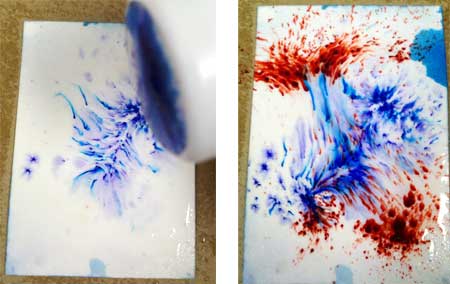
Brusho is one of those materials that looks like a trick the first time you see it. You sprinkle a few dry crystals onto a wet sheet of paper, step back, and watch the colour spread and split into shades you didn’t put there. It’s a British product with a loyal following among watercolourists, art journallers and teachers, and it’s also one of the easiest ways to get a child (or an adult who insists they can’t paint) enjoying colour straight away.
I’m Paul Worrall. I spent nearly a decade running digital marketing for ARTdiscount, one of the UK’s larger online art retailers, and I now run Discount Art Supplies — a price comparison platform used by over 28,000 UK artists every week. I haven’t claimed hands-on testing here: this guide pulls together how Brusho is made and used, what working artists say about it, and the drawbacks you should know about before you buy.
Quick Picks
- Best starter set: Brusho Crystal Colour 12-Pot Set (15g)
- Best for a wider palette: Brusho Crystal Colour 24-Pot Set
- Best low-cost way to try it: Brusho Bright Colours Set of 5
- Best book to learn from: Painting with Brusho by Joanne Boon Thomas
What is Brusho?
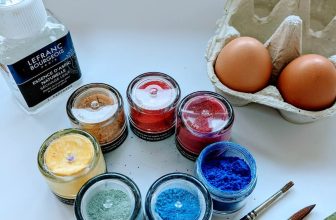
Brusho is a powdered, water-soluble colour made by Colourcraft in Sheffield. It comes in small pots of fine crystals in around 34 highly concentrated colours, and it’s dye-based rather than made from ground pigment like a tube watercolour. That’s the key to both its strengths and its weaknesses. The dyes dissolve and spread vividly when they meet water, which is where the blooms and splits come from, but dye behaves differently from pigment when it comes to fading, which I’ll come to below.
Buyers often mention “hidden” colours appearing as the crystals wet out, so a single pot can split into more than one shade as it spreads. It’s part of the fun, and it’s why two paintings from the same pot rarely look identical.
How to use Brusho
The standard methods all start with the same idea: crystals plus water. A few of the most useful:
- Sprinkle onto wet paper. Wet the sheet with a large brush, then sprinkle the crystals on and let them spread. Pierce one or two holes in the lid and the pot works like a salt shaker.
- Sprinkle onto dry paper, then spritz. Scatter the crystals on dry paper and mist with a water spray for a more controlled, speckled effect.
- Mix it like paint. Dissolve a little powder in water and use it as a normal wash. More water gives softer colour, less water gives a more defined texture.
- Add salt. Drop salt into a damp wash just as the wet sheen starts to fade and it creates bubble-like shapes. Sea salt gives larger shapes than table salt.
- Use wax resist. Draw or scribble with a wax crayon or candle first. The wax repels the water-based colour, so those areas stay clear.
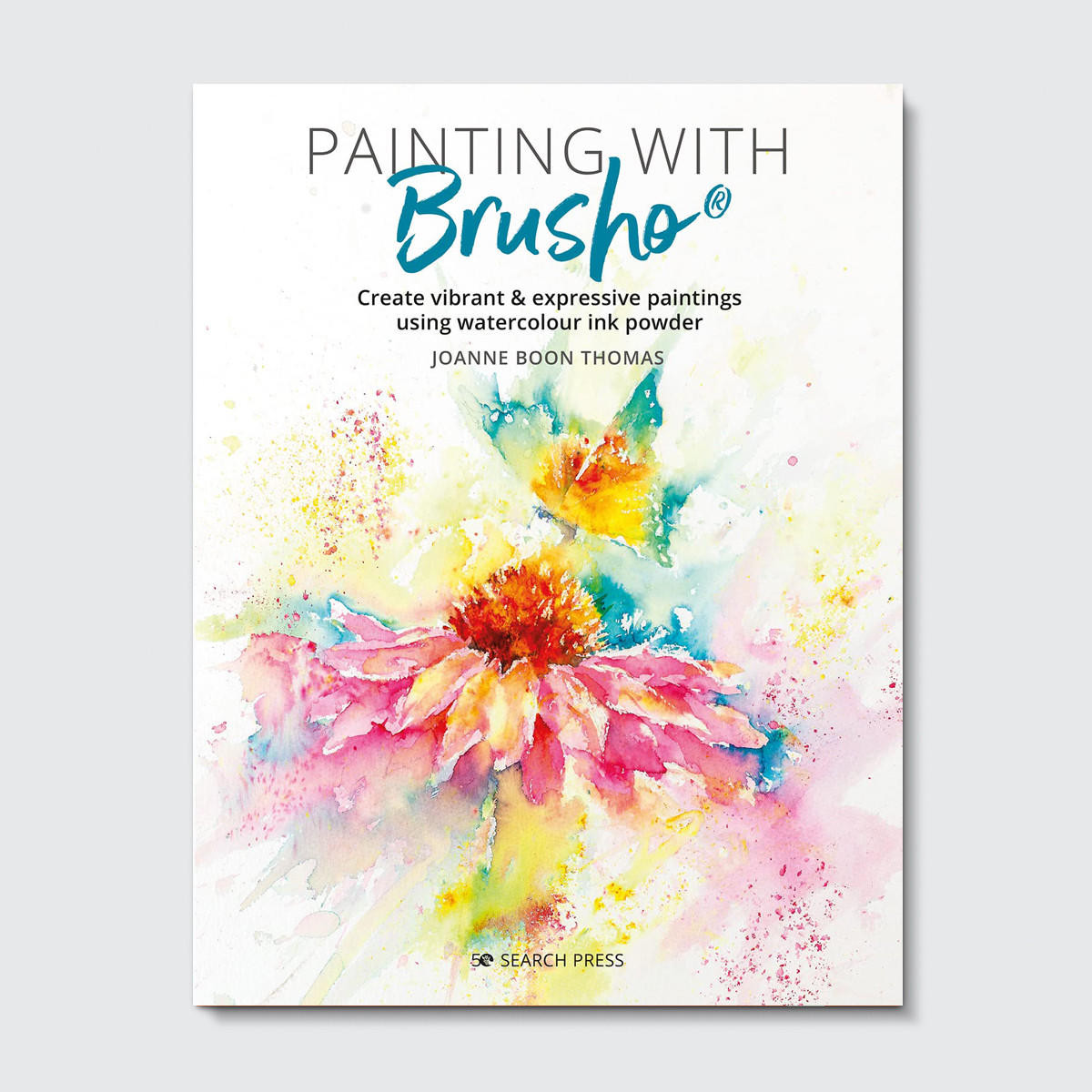
Brusho also works for washes over ink drawings, and artists use bleach solutions and masking fluid for more advanced effects. If you want a deeper dive into specific techniques, Painting with Brusho by Joanne Boon Thomas covers sprinkle and spray methods, wax resist, bleach and black Brusho across ten step-by-step projects.
The honest drawbacks
This is where a lot of Brusho write-ups go quiet, so it’s worth being direct. The big question is lightfastness. Colourcraft describes its colours as having good lightfastness, and one UK retailer lists ratings of 4 to 6 depending on the colour. But some independent artists describe Brusho as dye-based and not archival, and say it can fade over time. Where the truth sits probably varies by colour, so I’d treat it as a lovely material for sketchbooks, journals, cards and classroom work, and be more careful before using it for a piece you plan to sell or hang in a bright room. If you do, keep it away from direct sunlight, and consider a UV-protective spray, which Cass Art recommends for protecting Brusho paintings.
The second thing to know is that it isn’t made for washable fabric. One buyer who painted a cotton tote bag and ironed it didn’t find the colour fast, so keep it for things that won’t go in the wash. And because it’s a dye, treat it like ink: protect your table, wear something you don’t mind staining, and give the pot a good shake before use so the crystals mix evenly. It’s definately fun, just not completely forgiving.
Which Brusho set should you buy?
The 12-pot set — the sensible starting point
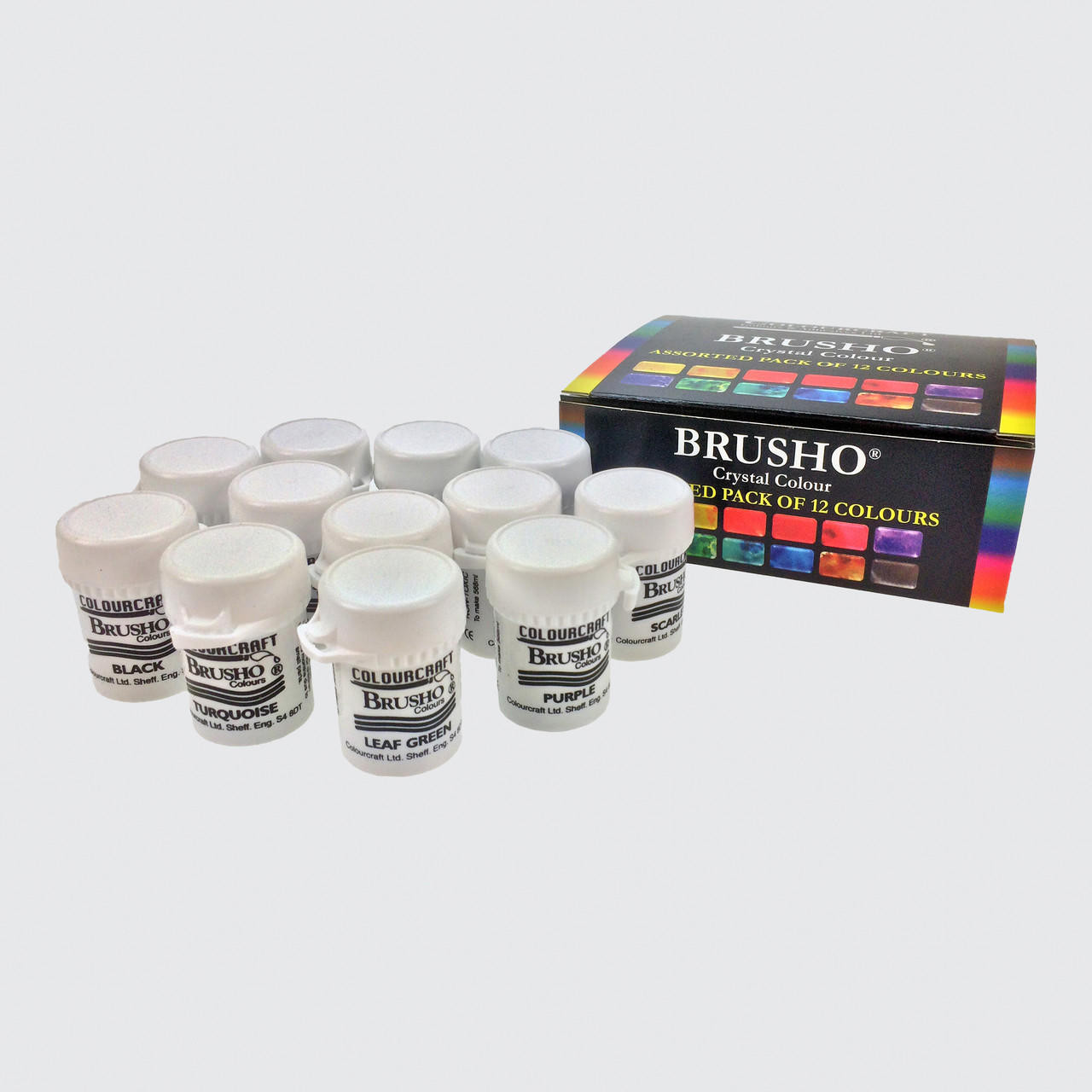
A 12-pot set of 15g pots gives you a good spread of colours to mix from, plus the “hidden” colours that appear as the crystals wet out. Since a tiny amount goes a long way, 15g pots last far longer than you’d expect. This is the one I’d point most beginners towards, because you can see how the colours behave together before you commit to more.
The trade-off is simply range. Twelve colours will mix a lot, but if you’re after specific shades, or you’re setting up a whole class, you’ll outgrow it.
🛒 Buy the Brusho 12-Pot Set on Amazon 🔍 Compare Prices
The 24-pot set — for a bigger palette
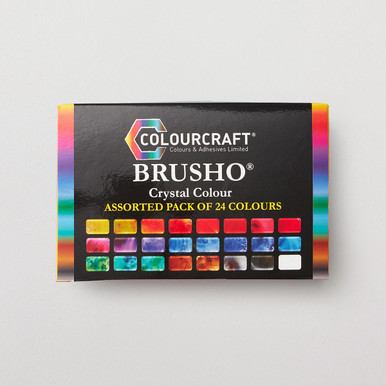
If you already know you’ll use it regularly, or you’re buying for a group, the 24-pot set gives you the broader palette without hunting for individual pots later. It’s the more economical way to get lots of colour in one go.
The downside is the same as with any big set: you’ll probably reach for a handful of favourites and leave the rest, so I’d start smaller unless you’re certain.
🛒 Buy the Brusho 24-Pot Set on Amazon 🔍 Compare Prices
The Bright Colours set of 5 — the low-cost trial
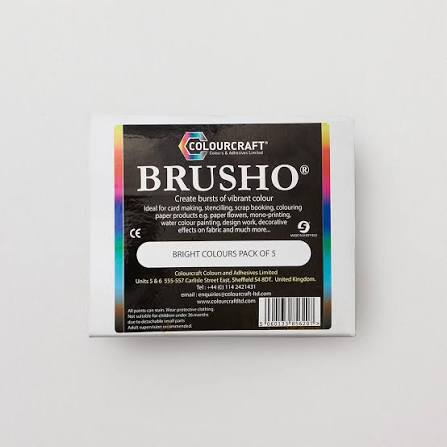
Cass Art lists a set of five bright colours (Scarlet, Emerald Green, Violet, Lemon and Cobalt Blue) as a compact way in. It’s a sensible pick if you only want to try the technique, or you want a few strong colours to add to a watercolour set you already own.
The trade-off is that five colours limits what you can mix, so it’s better as a taster than as a long-term palette. Check the price per pot against the bigger sets before you decide.
🛒 Buy the Brusho Bright Colours Set on Amazon 🔍 Compare Prices
FAQ
What is Brusho?
Brusho is a water-soluble crystal colour made by Colourcraft in Sheffield. You can sprinkle the powder onto wet paper, spray it, or mix it with water and paint with it like a watercolour or an ink. It is dye-based and sold in small 15g pots.
Is Brusho lightfast?
It’s a mixed picture. Colourcraft says its colours have good lightfastness, and one UK retailer lists ratings of 4 to 6 depending on the colour. Some independent artists describe it as dye-based and not archival. For work you want to last, keep it out of direct sunlight and consider a UV-protective spray.
How do you use Brusho powder?
The most common method is to sprinkle the crystals onto wet paper and let them bloom. You can also sprinkle onto dry paper and then spritz with water, or mix the powder with water and paint with it as normal. Many artists pierce a few holes in the lid and use the pot like a salt shaker.
Can you use Brusho on fabric?
It isn’t designed for washable fabric. One buyer who painted a cotton tote bag and ironed it didn’t find the colour fast, so test on an offcut first and keep it for items that won’t be washed.
If you want to understand why some Brusho colours split into other shades when they hit the water, our guide to colour theory for artists explains colour bias and mixing, which is a big part of what you’re seeing. And in the begining, don’t overthink it: wet some paper, shake on a little colour, and see what happens. As always, check Discount Art Supplies before you buy — we compare prices across major UK retailers in real time, so you’re getting the best deal going.