Written by Paul Worrall
Pricing your own work is genuinly one of the hardest parts of being an artist, and it’s got almost nothing to do with talent. I’ve spent 16 years in the UK art supplies industry watching thousands of artists sell their work, and the pattern is consistant: the artists who struggle to sell usually aren’t underpriced or overpriced because of skill — they’re guessing, and it shows. This is the practical version of what actually goes into a defensible price, whether you’re selling original paintings, prints, digital work or commissions.
I now run Discount Art Supplies, used by over 36,000 UK artists every week.
The Basic Formula (And Why It’s Only a Starting Point)
The standard starting formula most working artists use is: materials cost + (hours spent × your hourly rate) + a markup for your experience and reputation. It’s a genuinly useful starting point precisely because it forces you to actually count your hours rather than pluck a number from thin air — most beginners drastically underestimate how long a piece actually took once framing, planning and revisions are included.
But the formula breaks down the moment you get good enough that hourly rate stops reflecting your actual value. An experienced artist who paints a piece in two hours because of years of skill shouldn’t price it at two hours’ wages — the speed is the result of expertise, not a reason to charge less. This is where most pricing advice stops being useful, and where the sections below matter more.
Pricing Original Paintings
Beyond materials and time, three things genuinly move the price of an original: size, medium, and your track record. Larger work commands more per square inch up to a point (very large pieces can actually be harder to sell and need pricing carefully). Oil and acrylic on canvas typically command more than works on paper, reflecting both material cost and perceived permanence. And your track record — exhibition history, past sales, a following — is the single biggest multiplier, which is exactly why pricing tends to rise gradually as you sell more rather than jumping straight to a “fair” price on day one.
A genuinly practical method: price per square inch, calculated from your most successful recent sale, then apply that rate consistantly across new work of similar quality. It keeps pricing rational rather than emotional, and it’s easy to explain to a buyer who asks why one piece costs more than another.
Pricing Prints (Open and Limited Edition)
Prints need a different logic entirely from originals, because you’re not selling a unique object — you’re selling reproduction quality and, in the case of limited editions, scarcity.
Open edition prints (unlimited quantity) should be priced to reflect print and material cost plus a reasonable margin, since there’s no scarcity premium to justify a higher price. This is where cheaper reproduction methods and print-on-demand services genuinely make sense, since margin matters more than premium finish for volume sales.
Limited edition prints (numbered, signed, capped run) should be priced meaningfully higher than open editions — the whole premise of a limited edition is scarcity, and underpricing one undermines the reason a collector would choose it over an open edition print in the first place. A common approach is to increase the price gradually as the edition sells through, rewarding early buyers and reflecting genuine reducing availability.
Whichever route you choose, the print quality itself affects what you can honestly charge. Our guides to the best printers for art prints and fine art paper for giclee printing cover the quality side, and our guide to starting a print business covers the platform and fulfilment decisions that affect your margin.
Pricing Digital Art
Digital art gets priced inconsistently across the industry, largely because buyers often (wrongly) assume it costs less to produce than traditional work. In reality, skill and time are the same regardless of medium, and pricing should reflect that rather than apologising for the format.
What genuinly does differ is licensing. A digital piece sold as a personal print is a different transaction from the same piece licensed for commercial use (packaging, merchandise, advertising) — and commercial licensing should be priced substantially higher, since you’re selling usage rights, not just an image. Be explicit about what a buyer is actually getting (personal print only, vs limited commercial use, vs full rights) rather than leaving it ambiguous, since ambiguity here causes disputes later.
On NFTs specifically: the market cooled considerably from its 2021-2022 peak, and pricing digital art as an NFT today should be approached with realistic expectations about current demand rather than assumptions carried over from that period.
Pricing Commissions
Commissions need the most upfront clarity of anything on this list, because you’re pricing work that doesn’t exist yet, for a client who often doesn’t fully know what they want until revisions start.
A genuinly essential practice: price in a fixed number of revision rounds, with additional revisions charged separately. Without this, scope creep is almost guaranteed, and you end up doing significantly more work than the original price accounted for.
Take a deposit (50% upfront is standard) before starting work, both to protect against non-payment and to filter out enquiries that were never serious. And price complexity honestly — a detailed multi-figure commission takes meaningfully longer than a simple portrait, and your pricing structure should reflect that difference clearly upfront rather than being negotiated awkwardly mid-project.
Platform-Specific Considerations
Where you sell affects what you should charge, because platform fees eat into your actual take-home differently.
Etsy charges listing fees plus a transaction fee on every sale — factor this into your price rather than absorbing it from your margin, since it can meaningfully affect what a “fair” price actually needs to be to leave you with a reasonable return.
Your own Shopify store has different economics — no marketplace transaction fee, but you’re responsible for driving your own traffic. Our Etsy vs Shopify guide covers this trade-off properly.
DeviantArt and similar community platforms often have a more price-sensitive audience than a dedicated storefront, since browsing behaviour there leans more casual — worth factoring into expectations rather than assuming identical pricing will perform the same way across platforms.
A Few Honest Pricing Mistakes to Avoid
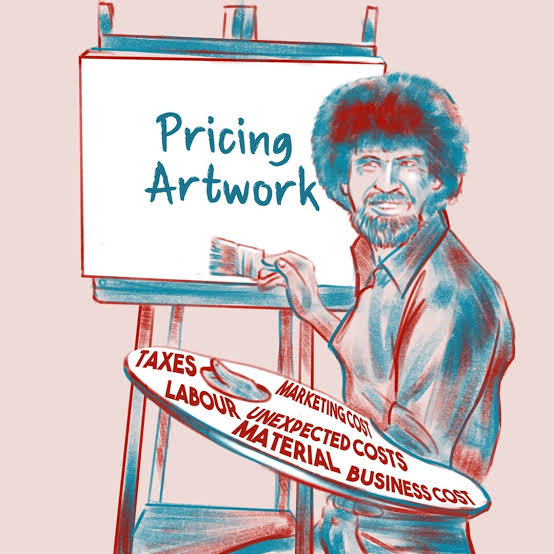
Pricing based on what you’d personally pay, rather than what your actual buyer would pay, is one of the most common mistakes — artists frequently undervalue their own work because they’re comparing it to their own budget rather than their buyer’s.
Changing prices constantly, especially discounting quickly when something doesn’t sell immediately, trains buyers to wait for a lower price rather than buy at the price you actually wanted. Price deliberately and hold the line for a reasonable period before adjusting.
Forgetting framing and presentation costs when pricing framed originals is an importent, easily overlooked gap — our guide to framing your art is worth reading alongside this one if you sell finished, framed originals.
Frequently Asked Questions
How do I price my art as a beginner with no sales history? Start with the materials-plus-time formula and a modest markup, then adjust based on how quickly work sells — if pieces sell immediately and consistantly, you’re likely underpriced; if nothing sells over a reasonable period, reconsider the price rather than assuming the work itself is the problem.
Should I price the same piece differently on different platforms? Generally no — consistent pricing across platforms builds trust and avoids buyers feeling like they got a worse deal by finding you in one place over another. Factor platform fees into your baseline price rather than adjusting the sticker price itself.
How often should I raise my prices? As a rough guide, reviewing prices every 6-12 months, or after a meaningful jump in demand, exhibition success or following growth, keeps pricing realistic without constant disruptive changes.